In this article, we are comparing the Sigma 60-600mm vs 150-600mm lenses, which are hyper-zoom lenses with all the right ticks on the box. These are versatile lenses, and both offer 10x optical zoom, with full-time manual focus.
Also, it does not matter which lens ecosystem you are into; Sigma offers all the native mounts out of the box without the need for any 3rd party accessories. Plus, image stabilization is directly built into the lens, which uses advanced algorithms which the company claims to help you get sharper images in challenging scenarios.
Using these lenses with an APS-C body will effectively increase the focal length, but is still manageable. The Sigma 60-600mm is more versatile among the two since it covers a broader range and incorporates 25 lens elements in 19 groups. This makes the Sigma 60-600mm more costly when compared with the 150-600 model.
The 9 blade diaphragm on both the lenses creates an attractive bokeh to out-of-focus areas of the picture, with built-in optical image stabilization and an effect of 4 stops and an accelerometer for vertical & horizontal panning, and a Hyper-Sonic Motor for fast & quiet autofocusing.
The Sigma 150-600mm f/5-6.3 DG OS HSM Contemporary lens targets a similar market as the 60-600mm, but at a cost. However, the larger and more substantial “Sport” edition is something unique to Sigma, with no other competing or equivalent offers from any other manufacturer.
Both these lenses offer a substantial focal range to work with and is no longer a dream to reach 10x optical zoom without spending a bomb. The 60-600mm is useful for photographing static and moving subjects at varying distances quickly. Using a 600mm prime lens is not always feasible due to its weight and haze in specific environments.
Both these lenses have a sports edition, which is more cumbersome and a little bit challenging to carry around. Either way, you will need a carrying case for outdoors 100% of the time.
Now, with that background, lets us compare these two lenses by their specs. See below:
Sigma 60-600mm vs 150-600mm: Specifications Comparison
First, we will look at the Pros & Cons of these lenses. See below:
260cm / 102.4 in minimum focusing distance (2.6m vs 2.7m)
160g lighter – 2.7 kg vs 2860g
2700 grams
1:3.3 (200mm) of maximum magnification
1:5
Comes in Sigma, Nikon and Canon mounts
Manual Override (MO) capable of switching two full-time manual modes
The world’s first 10× optical zoom telephoto lens with a tele end of 600mm
Dust and Splash Proof
Comes with Hyper-Sonic Motor & designed for APS-C & FF DSLR cameras
Dust and splash-proof construction
Water & oil repellent coating (Front and Rear)
Customization and flexible adjustment with Sigma USB Dock
Lens hood LH1164-01 & Case is included in the box
We will be comparing all the relevant technical aspects and specifications side by side so you can get a better idea. Moreover, we will discuss all the significant differences descriptively and understand how they leave an impact on the overall performance of the lens. So without any more delay, here we begin:
FF & APS-C SLR, digital SLR (Canon, Nikon, Sony, Sigma)
FF & APS-C SLR, Digital SLR (Canon, Nikon, Sony, Sigma)
Optical Zoom
12x max.
12x max.
Series
DG OS HSM Sports
DG OS HSM
Lens Coating
Super Multi-Layer Coating
Water and oil-repellent coating on the front & rear lens elements
Super Multi-Layer Coating
Water and oil-repellent coating on the front & rear lens elements
Mounting Type
Nikon F (Canon EF, EF-S, Nikon, Sigma)
Nikon F (Canon EF, EF-S, Nikon, Sigma)
Special Functions
Tele, zoom
Tele, Zoom
Lens Aperture
f/4.5-6.3
f/5.0-6.3
Minimum Aperture
F22 – F32
F22 – F32
Min Focal Length
60 mm
150 mm
Max Focal Length
600 mm
600 mm
Min Focus Distance
60-260 cm / 23.6-102.4in.
260cm / 102.4 in
Focus Adjustment
automatic, manual (Full time)
Automatic, Manual
Zoom Adjustment
manual
Manual
Max View Angle
16.4 degrees (16.4º-4.1º)
(Varies with APS-C & FF DSLRs)
16.4 degrees (16.4º-4.1º)
Min View Angle
39.6º – 4.1º
4.1 degrees
Group Qty
19
16
Element Qty
25
24
Filter Size
105 mm
105 mm
Diaphragm Blades
9
9
Features
ELD (Extraordinary Low Dispersion) glass
FLD glass
Hyper Sonic Motor (HSM)
SLD (Special Low Dispersion) glass
Sigma USB dock compatible
Dustproof
Splash-proof
ELD (Extraordinary Low Dispersion) glass
FLD glass
Hyper Sonic Motor (HSM)
SLD (Special Low Dispersion) glass
Sigma USB dock compatible
Dustproof
Splash-proof
Note that we will only be discussing the differences in the above table, and not the similarities; since it does not simply make any sense to discuss in what criteria these lenses are similar.
We found the 150-600 lens to be quite limiting when the subject is too close is fast-moving. Overall, we like the 60-600’s long focal range, which offers more flexibility to shoot action at both close & long-distance subjects. However, the high price and the extra weight concerns are always there, making such lenses cost-prohibitive for budget-conscious enthusiasts and professionals. They prefer shooting hand-held most of the time.
The Sigma 150-600mm f5.0-6.3 Contemporary directly competes with the Tamron 150-600mm f-5-6.3 VC, because both these lenses offer the same focal length and aperture ranges with similar pricing. In addition to this, both the two lenses practically measure & weigh the same, with slight differences here and there.
The lens optics are also constructed with a lot of similarities. It comes with a total of 20 lens elements & 9 diaphragm blades. We have already compared the Tamron 150-600mm g2 Vs. Sigma 150-600mm on a different post. Do check it out to find out more. Sigma claims the 60-600mm to be the world’s first 10x optical zoom telephoto lens with a tele end of 600mm. Except for the high-price, we like the lens a lot!
Conclusion:
The new Sigma 60-600mm f 4.5-6.3 DG OS HSM Sports is definitely a versatile lens, given its range and maintaining its sharpness throughout its focal range, at least in daylight conditions. The build quality and weather coating are good for wildlife photographers. The lens comes with an in-built accelerometer, which helps you to reduce camera shakes and works pretty well.
While the 60-600mm is very similar to the Sigma 150-600mm f/5-6.3 DG OS HSM Sports optics, it also offers a much more versatile focal range at the short end.
With almost two kilograms in weight, you will definitely need a tripod, since this definitely isn’t for handheld photography. There is a tripod mount-collar, which is much improved on the one that ships with Sigma 150-600mm Sports lens, and it also ships with a high-quality lens hood, shoulder strap, and a padded case.
Overall, if you want a long-range, go with the 60-600mm. If the high price is an issue, we definitely recommend you to go with the 150-600mm lens from Sigma.
We hope you like our comparison of the Sigma 60-600mm vs 150-600mm lenses. Feel free to share your thoughts and suggestions in the comments section below. Thanks for visiting!
The number 0.95 means a lot for photography fans. This is where Leica has made a great niche for themselves. If you are someone who is interested in bokeh shots, the 0.95 aperture should be one of the significant options among the third party lenses you would want to opt for. So, which are the best f 0.95 lenses suitable for Sony, Nikon, Canon and Leica cameras? Let us check out the best list of f 0.95 prime lens options you can have a look at.
Why is f/0.95 so crucial for photographers?
The shallow depth of field offered by the f/0.95 aperture is one of the best low light lenses you can consider buying. It was also considered to be the best for the faster camera action.
The concept was brought ahead by Leica with their range of Noctilux lenses. However, it was Canon who started the trend with the 50mm f/0.95 “dream lens.” However, the lens has now been discontinued. If you are a fan of f/0.95 lenses, there isn’t any shortage of these lenses, especially for the micro Four-third systems. Several products would prove to be helpful to quench your enthusiasm.
List of f 0.95 Prime Lens you can check out in 2019
Now that you have understood what makes f/0.95 one of the best options for your faster photography with a better depth of field, here are the best options you can check out.
Canon 50mm F0.95
This has been considered to be the dream lens by Canon and has been one of the best options you have ever checked out. Sadly enough, the lens has been discontinued and it will remain as a dream.
The lens has been considered to be an excellent option for the best image quality. It is also one of the fastest options in terms of aperture speed. In fact, it is also considered to be the most affordable f/0.95 lens compared to the most other alternatives.
Do, however, note that Canon has discontinued the lens and if you can find it somewhere – it will indeed be a collector’s item. You may be able to find it from some of the excellent online services or from those who are stocking collector items.
Navitron 50mm F0.95
This is yet another good option you can check out for the best experience with f/0.95 lenses. However, you may not be able to find it on many favorite online stores. The lens was recently spotted on eBay.
The Navitron 50mm F0.95 comes with an adaptation to Micro Four Thirds. The lens comes with a 100 mm field of view.
You can get access to some of the best bokeh effects with the lens. The looks and color reproduction remains to be the best among the competitors. You should also be able to use it with Leica cameras as well if you are a DIY enthusiast. You can stop it down to f16 and get some outstanding close-up shots as well.
Number of lenses/groups: 8 / 5
Focal length: 52.3 mm
Position of entrance pupil: 50.6 mm (related to the first lens surface in light direction)
Focusing range: 1 m to infinity
Distance setting
Scales: Combined meter/feet graduation
Smallest object field: 406 mm x 608 mm
Largest reproduction ratio: 1:17
Aperture
Setting/Function: With click-stops, half values available
Lowest value: 16
Bayonet
Leica M quick-change bayonet with 6-bit lens identification bar code for digital M models
Filter mount
Screw-on filter E60 with accessory filter holder
Dimension and weight
Length: approx. 75.1 mm
Largest diameter: approx. 73 mm
Weight: approx. 700 g
Lens hood
Yes, extendable
Dubbed as the world’s fastest aspherical lens, the Leica Noctilux is what made the f/0.95 a popular option. If you are looking for a perfect f/0.95 lens for use on an M mount camera, the Leica 50mm f/0.95 Noctilux should be an excellent option for all your needs.
Image Source: Leica
The lens is quite difficult to lay your hands on. Not that the lens is not available as we found with the other two options as outlined in the above examples. But, the product is manufactured in lower quantities every year. A higher speed is what would set it apart from the rest of the M mount lenses.
The price may appear to be a little ridiculous, but given the fact that it is a signature lens, you would flaunt around. It is one of the best lightweight lenses you would go with.
Technical Specifications for Voigtlander Nokton 25mm F0.95
Lens type
Prime lens for Micro-Four Thirds System
25 mm – No Image stabilization
Aperture
Maximum aperture F1
Minimum aperture F16
Aperture ring Yes
Number of diaphragm blades 10
Optics
Elements 11
Groups 8
Focus
Minimum focus 0.17 m (6.69″)
Autofocus No
Full time manual Yes
Distance scale Yes
DoF scale Yes
Physical
Weight 410 g (0.90 lb.)
Diameter 58 mm (2.3″)
Length 70 mm (2.76″)
Materials metal barrel, metal mount
Sealing No
Color black
Filter thread 52 mm
Tripod collar No
The Voigtlander 25mm F0.95 is one of the best options and has been launched quite recently. The lens is specially designed for use with Micro Four-thirds cameras. The best part with the lens is it helps you adjust to the exact focal length.
The aperture is one of the best and faster ones you can go with. The lens is one of the best in terms of ultra-fast performance. The aperture ring on the lens can be used for use as a stepless camera for using it as a cinema lens. The glass should work efficiently on a wide range of cameras that include Panasonic, Olympus, Canon and a lot more.
Technical Specifications for SLR Magic 50mm f/0.95
Lens type
Fast normal lens with seven Tantalum glass elements to ensure superior cinematic performance.
Compatible Cameras:
• All Rangefinder M mounts
• LM mount for cinematography
• E-mount
• Micro Four Thirds cameras
Optics
12 elements in 7 groups
0.70m to ∞, combined scale meter/feet (Distance Range)
Aperture / Bayonet
• Manually controlled diaphragm
• 12 aperture blades (circular), Lowest value 16
M-mount (with Rangefinder coupling), E-mount, Micro Four Thirds
Physical
• approx. 95mm (approx. 3.74in) without hood
• approx. 110mm (approx. 4.33in) with retractable hood
The lens is one of the fastest lenses among the world’s popular production lenses. The lens provides you access to the best performance and offers excellent shallow depth of field.
The lens should be an excellent option for use with low light photography or cinematography requirements you may have. Standard lenses fail to work in specific areas where you would find it challenging to shoot night photography and poorly lit areas. The lens also comes with the manual focus features that makes it a perfect option for ensuring the highest standards. The smoother stepless f- stop will provide you access to best possible transition options. You would be able to achieve the best bokeh effects with the eight aperture blades.
The lens is suitable for a wide range of lenses and compatible with Sony E, Canon RF, and Nikon Z-Mount Full-Frame cameras. A stepless silent aperture control would make it a prominent option for most of our requirements.
The lens offers you excellent performance in terms of low light photography. It also provides you access to a better degree of control over the depth of field. It will give you access to the best bokeh effects. The lens comes with a great design that improves the flare resistance and provides you with a compact sized lens.
If you want to know more about the lens, you can have a good look at the lens at ZY Optics.
This is a C mount lens that should make it one of the best options you would want to go with. It has been considered to be one of the most searched f /0.95 lenses for use with micro four-thirds cameras.
It is one of the prominent options that can work efficiently as the best focusing options you would want to go with. The lens can perfectly match with your systems.
The Concluding Thoughts
Those were a few exciting options you can check out for the best of f 0.95 prime lens. The lens type has been treated to be an excellent source for the best in bokeh effect, excellent low light performance and superb cinematography experience.
Check out the lenses featured in this compilation and improve your photography levels. But before you buy any of the lenses listed here, do check the compatibility of the glasses with your camera. Not all lenses may work with all camera models.
DSLRs are not easy to master. However, if you are someone who is just looking for your first DSLR camera and checking out the options, you can have, a Canon DSLR that has two great novice friendly cameras for you. Yes, we are talking about the Canon Rebel SL3 and Canon Rebel SL2 here. Let us explore the two devices and compare (Rebel SL3 vs SL2) them for the features and functionalities.
Canon EOS Rebel SL3 vs SL2 – Which one should you go with?
Well, the cameras also have another nomenclature to identify them. The Rebel SL3 is also known as Canon EOS 250D, and the Rebel SL2 is referred to as Canon EOS 200D in international markets. So, how would you choose between the two? Will you go with the latest model or opt for the older one at a reduced price.
To understand it better, we will need to check the features of both the options and explore them vis a vis one another. So, without wasting any more time, let us examine the two competing siblings.
Video Functionality
This is the considerable difference between the two devices. The Rebel SL2 can help you capture full HD video and shoot it up at 60 or 50 frames per second. The Rebel SL3, on the other hand, can help you shoot at 4K resolution. The 4K resolution can help you work at 25 or 24 fps.
A 4K resolution on a low-cost camera is an added advantage. This is the first affordable camera to pack in 4K shooting compatibility.
Live view Autofocus functioning
This is yet another area that introduces a huge improvement on the Rebel SL3 in comparison to the SL2 counterpart. In fact, the capability for phase detection Autofocus on a DSLR isn’t much easy. However, Canon has brought compatibility on the sensor itself, and you will find excellent autofocus on a live view mode. Canon originally introduced the dual-pixel autofocus in the 70D back in 2013.
The SL3 offers a massive 3,975 user-selectable AF points. There are also additional AF modes as well. The sensitivity has also been brought down to -4V from the -2V on the Rebel SL2. The SL2 comes with only 49 Autofocus points. The SL3 should now match most of the mirrorless cameras currently available in the market, especially the Canon M50.
The Image Processor engine
The two cameras come with a generation apart when it comes to the processor engine equipped on the cameras. The Rebel SL3 comes with the Digic 8 engine, while the SL2 features the Digic 7.
The new processor provides access to several improvements observed on the latest model, and that includes battery life as well.
The UI and Interface
Of course, the Rebel Sl2 is already a capable model for the newbies, but the new SL3 takes it ahead with a massive bunch of improvements. One of the unique enhancements includes the Creative Assist mode. This can help you apply special effects to the images you have already shot or even to those that you are about to take.
Another feature we loved with the new Rebel SL3 is the smart guided UI that lets you understand the camera functions quite well before you can begin shooting right away. This can be an added advantage if you are graduating from a simple point and shoot camera or a smartphone camera to a DSLR.
The battery life
If you are using the live view photography, there is a slight improvement in terms of battery life on the Rebel SL3 when compared to the SL2. However, you would be in for a massive enhancement if you are using the viewfinder option.
The Rebel SL3 provides access to 1070 shots per charge on a viewfinder mode and 320 shots on live view mode. The corresponding figures for the SL2 read 650 and 260 shots respectively. The improvements have more to do with the new processor engine as we have already mentioned.
The Comparison Chart: Rebel SL3 vs SL2
Now that we have had gone through the basic features and functions that each of the cameras offers you, here is the comparison chart in a side by side comparison that should assist you to look for the specific features that you may be interested in.
Up to 5 fps at 24.1 MP for Unlimited Exposures (JPEG Format)
Up to 5 fps at 24.1 MP for up to 10 Exposures (Raw Format)
Up to 5 fps at 24 MP
Up to 2.5 fps at 24 MP
Recording Modes
MP4/H.264
UHD 4K (3840 x 2160) at 23.976p/25p [120 Mb/s]
Full HD (1920 x 1080) at 25p/29.97p/50p/59.94p [12 to 60 Mb/s]
HD (1280 x 720) at 50p/59.94p [26 Mb/s]
MP4/H.264
Full HD (1920 x 1080) at 23.976p/29.97p/59.94p
HD (1280 x 720) at 29.97p/59.94p
SD (640 x 480) at 29.97p
Video encoding formats
NTSC/PAL
NTSC
Focus mode
Auto and Manual Focus
Auto and Manual Focus
WiFi connectivity
Yes
Yes
Bluetooth connectivity
Yes
Yes
What are the similarities between the two cameras?
Apart from the features that differentiate the two cameras, there are several features they are quite common across them. The comparison table above should indicate that they share most of the elements among them.
The physical dimensions of the two cameras remain the same at 122.4 x 92.6 x 69.8mm. Both of them are available with black, white and silver color versions. You will find the same five fps continuous shooting mode across the two cameras. Even the touchscreen screen remains the same at 3 inches and 1040k dot resolution.
So, which should you go with?
As you can find it from the above discussion, it should be clear enough to understand that the two cameras come with almost similar features and functions. However, there are a few areas that may need attention. We have already outlined the features that make the Rebel SL3 a good option in comparison to the Rebel SL2.
Do note that the Rebel SL2 should be a good option for you if you do not dabble much into the videography. The kind of images and shots you get on the older camera model can be the same as on the newer model. However, if you are into both video and stills, it would be a wiser idea to go with the new Rebel SL3 itself in sharp contrast to the SL2.
The Concluding Thoughts
Those were a few similar features between the two competing siblings and should be helpful enough in choosing the right camera that meets your needs and expectations. We assume the comparison (Rebel SL3 vs SL2) featured in this compilation should help you arrive at the right options for your choice.
Compare the features and go with the right camera that perfectly meets your requirements.
We welcome all your questions and suggestions in the comments section down below. Thanks for visiting, have a wonderful day!
After 4K, the 8K revolution is slowly catching up in the world of cameras. It has slowly evolved and has been taking us forward to the future of digital imaging. The 8K cameras have been emerging one by one on the scene, and by the end of 2019, we expect the launch of a few tremendous 8K cameras. Spearheading a revolution, the 8K cameras from the likes of Red, Canon, and Sharp have been quite impressive in their own right.
Well, you have been familiar with the concept of 4K imaging and video clarity already. Most advanced camera systems and even smartphones now offer you access to 4K video capturing capability. The technology has been prevalent in the realm of TV screens and smartphones as well. 4K, in essence, brought clearer and sharper images.
If you find the 4K quality offering you vivid colors and exceptional clarity to your images, 8K will double it further ahead. The 8K resolution contains 7680×4320 pixels. This will transform itself into providing you access to more clarity and details in your images.
The 8K is on its way to going mainstream quite soon. Of course, the 4K revolution did come suddenly, but you can set yourself ready for the 8K revolution right away. It is progressing and moving towards replacing 4K as a mainstream technology.
How is 8K going mainstream?
The 4K is still in fore, and most of the photography enthusiasts are still enjoying 4K, but 8K is not falling short. The stage for the development of the 8K is moving ahead.
One of the innovations is being observed in the realm of movies. The movie, Guardians of the Galaxy should be a case in point. The sequel to the film was recorded with RED Weapon 8K. The more substantial sensor performance coupled with superior high-resolution digital imaging is what would makes it a great option in every right. The movie had come in 2017 and was a hit primarily because of its visual excellence (& CGI).
The cameras have been arriving with the 8K compatibility. RED has been a leader in the sphere of 8K cameras with its Weapon range of cameras. So much so that the camera was used for shooting many Hollywood movies. Apart from RED, other players have ventured into the market for the 8K cameras. Sharp launched its 8K camcorder back in 2017. Even Sony has been contemplating joining the 8K bandwagon. There is a huge difference here – manufacturers like RED and Sony have been involved in providing the products focusing on the creative enthusiasts. At the same time, Sharp is more inclined towards the broadcasting devices.
While 8K technology is focused on the professional front as of now, we are witnessing the cameras with the 8K compatibilities in the consumer market. GoPro can be a good performer in this context.
8K is also creating a significant impact on the television industry as well. Of course, the 4K television sets are yet to take a firm root as things stand as of now. But, we have good news for you – several manufacturers have been coming up with models that support the 8K features. Some of the manufacturers who have been involved in the design and development of 8K television sets include Samsung, LG, Sony, and Sharp, to name just a few.
We would expect a few good announcements to be made at CES 2019. LG is one of the forerunners in this sphere.
They are introducing their first 88 inches OLED TV with 8K features at the CES 2019. With several movies and shows explicitly being created for the 8K resolution, we would expect a wide range of devices coming up to cater to the content.
Best 8K Cameras you can check out in 2019
Well, the 8K cameras have not yet become mainstream as they were expected to. The technology began gaining momentum in 2017. The game-changer was perhaps the success of the RED Weapon 8K camera. However, a host of manufacturers have dabbled in the realm of 8K cameras and have been able to bring us a few successful models.
Though we discuss the 8K cameras you can find in 2019, most of them were first introduced in a couple of years preceding it. Like we stated already, 2017 was the year that brought the world of 8K cameras to the forefront.
SHARP introduced its 8K MFT camera at the CES 2019. The camera will be available in late 2019 for the consumers. The camera is expected to be launched for $ 4000. What makes it one of the prominent launches is considered the first Prosumer 8K camera so far.
Before we can move ahead to discuss the camera and its performance, it should be noted that it is still under development, and the views here are based on the prototypes available as of now. It comes with a minimalistic design and appearance. The camera seems to be specifically aimed at the YouTubers and vloggers and comes with a few buttons and dials.
Sharp is not ready to come clean about the exact sensor being used on the camera. They only claim that the camera employs a 33 MP 8K sensor and points out that the sensor is manufactured in-house. You have access to a few input and output ports that should help you connect with a wide range of devices. Some of the honorable mentions will include a Mini XLR port, full-size HDMI, USB-C, headphone, and a microphone jack. By the time the actual production begins, we may see a couple of additions or omissions. You have a reasonable 5.5-inch touch screen. The display is good enough in quality and provides you with precise details. It does offer you access to excellent brightness.
The 8K camera should have a storage option that offers you faster recording options. Sharp claims that the camera supports SDXC UHS-I U3 speed class 10 cards. Ideally, a 64 GB card should provide you access to an 8K recording of 30 minutes at a 30 fps performance. The battery on the prototype is a Canon LP-E6 battery and provides a backup of around an hour. Sharp claims that the battery system has not yet been optimized.
So will it make any head through? It may be too early to reach any conclusions as of now. The camera indeed has potential. The 8K resolution may be the best thing to happen to you, but with that kind of high resolution, everything else is likely to take a backseat. You may find the issues with dynamic range and low light performance.
Red-MONSTRO Digital Cinema Weapon 8K camera
Full Specifications:
SENSOR TYPE
MONSTRO 35.4 Megapixel CMOS
Total EFFECTIVE PIXELS
8192 × 4320
SENSOR SIZE (mm)
40.96 mm × 21.60 mm (Diagonal: 46.31 mm)
DYNAMIC RANGE
17+ stops
MAX. DATA RATES
Up to 300MB/s using RED MINI-MAG (480GB & 960GB)
Up to 225 MB/s using RED MINI-MAG (120GB & 240GB)
MAX. FRAME RATES
60 fps at 8K Full Format (8192 × 4320), 75 fps at 8K 2.4:1 (8192 × 3456)
60 fps at 7K Full Format (7168 × 3780), 75 fps at 7K 2.4:1 (7168 × 3024)
75 fps at 6K Full Format (6144 × 3240), 100 fps at 6K 2.4:1 (6144 × 2592)
96 fps at 5K Full Format (5120×2700), 120 fps at 5K 2.4:1 (5120 × 2160)
120 fps at 4K Full Format (4096 × 2160), 150 fps at 4K 2.4:1 (4096 × 1728)
150 fps at 3K Full Format (3072 × 1620), 200 fps at 3K 2.4:1 (3072 × 1296)
240 fps at 2K Full Format (2048 × 1080), 300 fps at 2K 2.4:1 (2048 × 864)
5:1 REDCODE for 8K Full Format (8192 × 4320) at 24 fps
12:1 REDCODE for 8K Full Format (8192 × 4320) at 60 fps
2:1 REDCODE for 4K Full Format (4096 × 2160) at 24 fps
3:1 REDCODE for 4K Full Format (4096 × 2160) at 60 fps
REDCODE RAW ACQUISITION FORMATS
8K Full Format (8192 × 4320), 2:1, 2.4:1, 16:9, 14:9, 8:9, 3:2, 6:5, 4:1, 8:1, and Ana 2x, 1.3x, 1.25x
7K Full Format (7168 × 3780), 2:1, 2.4:1, 16:9, 8:9, 6:5, 4:1, 8:1, and Ana 2x, 1.3x
6K Full Format (6144 × 3240), 2:1, 2.4:1, 16:9, 8:9, 3:2, 4:3, 6:5, 4:1, 8:1, and Ana 2x, 1.3x, 1.25x
5K Full Format (5120×2700), 2:1, 2.4:1, 16:9, 8:9, 6:5, 4:1, 8:1, and Ana 2x, 1.3x
4K Full Format (4096 × 2160), 2:1, 2.4:1, 16:9, 8:9, 3:2, 4:3, 5:4, 6:5, 4:1, 8:1, 1:1, and Ana 2x, 1.3x
3K Full Format (3072 × 1620), 2:1, 2.4:1, 16:9, 3:2, 4:3, 5:4, 6:5, 4:1, 8:1, and Ana 2x, 1.3x
2K Full Format (2048 × 1080), 2:1, 2.4:1, 16:9, 3:2, 4:3, 5:4, 6:5, 4:1, 8:1, and Ana 2x, 1.3x
APPLE PRORES
ProRes 422 HQ, ProRes 422 and ProRes 422 LT at 4K (4096 × 2160) up to 30 fps
ProRes 4444 XQ and ProRes 4444 at 2K (2048 × 1080) up to 120 fps
ProRes 422 HQ, ProRes 422 and ProRes 422 LT at 2K (2048 × 1080) up to 120 fps
AVID CODECS
DNxHR HQX at 4K (4096 × 2160) 12-bit up to 30 fps
DNxHR HQ, SQ, and LB at 4K (4096 × 2160) 8-bit up to 30 fps
DNxHR 444 at 2K (2048 × 1080) 12-bit up to 120 fps
DNxHD 444 and HQX (1920 × 1080) 10-bit up to 120 fps
DNxHD HQ, SQ, and LB (1920 × 1080) 8-bit up to 120 fps
CONSTRUCTION
Aluminum Alloy
WEIGHT
3.35 lbs (BRAIN with Integrated Media Bay)
OPERATING TEMPERATURE
0°C to 40°C (32°F to 104°F)
STORAGE TEMPERATURE
–20°C to 50°C (–4°F to 122°F)
RELATIVE HUMIDITY
0% to 85% non-condensing
COLOR MANAGEMENT
Supports 33×33×33, 32×32×32, 26×26×26, and 17×17×17 3D LUTs
Variable number of 3D LUT outputs with DSMC2 expander module
User-programmable shaper 1D LUTs
Tetrahedral interpolation, 16-bit processing
Integrated R.C.P. WiFi antenna
Ethernet, RS232, and GPI Trigger with DSMC2 expander module
MONITOR OUTPUTS
3G-SDI (HD-SDI) and HDMI with DSMC2 expander module
1080p RGB or 4:2:2, 720p RGB or 4:2:2
480p RGB or 4:2:2 (HDMI only)
SMPTE Timecode, HANC Metadata, 24-bit 48 kHz Audio
MONITOR OPTIONS
DSMC2 RED Touch 4.7″ LCD, DSMC2 RED Touch 7.0″ LCD and DSMC2 RED EVF (OLED) with cable-free connection.
RED Touch 9.0″ LCD, RED Touch 7.0″ LCD, REDTouch 5.0″ LCD, RED PRO 7″ LCD, BOMB EVF (OLED), and BOMB EVF (LCOS) compatible with DSMC2 LCD/EVF Adaptor A and LCD/EVF cable.
Adobe Premiere Pro, AVID Media Composer, DaVinci Resolve, Edius Pro, Final Cut Pro, Vegas Pro
The camera was launched in 2017. The RED WEAPON 8K S35 is one of the prominent options among the Weapon range of cameras for RED Digital Cinema. The camera is specially created for those involved in the creative field.
The camera comes with a DSMC2™ form factor and offers a new HELIUM™ 8K S35 sensor. Helium is unique in the RED sensor technology. The sensor provides access to higher resolution in an S35 frame. Some of the features offered by the camera include data speeds up to 300 MB/s and the ability to capture 8K Full Frame motion at up to 60 fps.
The camera provides you access to flexibility and beauty. The 8K offers 17x more resolution than HD—and over 4x more than 4K. You stand to gain a compelling advanced color scheme and an excellent dynamic range. Some other features offered by the RED Weapon 8K S35 include cable-free peripherals, integrated side SSD, wireless control, and much more. With those features, the RED Weapon 8K is an excellent example of a powerful and intuitive option.
The camera does come with plenty of excellent options making it a formidable prospect. The reframing capabilities offered by the camera and the unique Visual effects would provide you with excellent performance. The higher resolution will give you access to a lot of advantages when it comes to post-production tasks.
Ikegami SHK-810
Full Specifications:
Image Sensor
33 million-pixel Super 35mm CMOS Sensor
Sensitivity
F8
Limiting Resolution
4,0001V lines horizontal resolution
Optical System
PL Lens mount
Output Signal
· SHV Dual Green SDI Interface
· 4K 3G-SDI Level NB SQD
· HD SMPTE 292M
· Camera with 4K view伽der and CCU: 480VA or less
· Camera with 2″ viewfinder and CCU: 420VA or less
Operating Temperature
·Camera Head : -10 ゜ C to+45 ゜ C (14° F to 113° ·CCU F) : 0 ゜ C to+45 ゜ C (32° F to 113° F) * Storage Temperature : -30 ゜ C to +60 ゜ C (-22° F to 140゜ F)
Weight
Camera Head: approx. 8.5kg (18.741b)
CCU: approx. 29kg (63.931b)
Dimensions
Camera Head: W168 x H228 x D395.3 mm (W6.61 x H8.98 x D15.56 inch)
CCU: W482 x H222 x D478 mm (W18.98 x H8.74 x D18.82 inch)
The Ikegami SHK 810 should be the first handheld camera with the 8K compatibilities. Do note that the camera is specially designed for use with Television broadcasts. The camera is developed in conjunction with NHK, Japan’s Broadcasting Corporation.
The camera provides you access to a 33 million-pixel Super 35 CMOS sensor. It can produce 4,000 TVL horizontal and vertical resolution. The camera comes with a system expander that lets you use larger viewfinders and full studio lenses. This can go a long way in making use of the portable camera as a full studio camera. The camera also comes with a PL lens mount that will allow you to use several options like 8K lenses, cine lenses, 4K lenses, and custom-designed zoom lenses.
Red WEAPON MONSTRO 8K VV
SENSOR TYPE
MONSTRO 35.4 Megapixel CMOS
HELIUM 35.4 Megapixel CMOS*
GEMINI 15.4 Megapixel Dual Sensitivity CMOS
EFFECTIVE PIXELS
8192 × 4320
8192 × 4320
5120 × 3000
SENSOR SIZE
40.96 mm x 21.60 mm (Diagonal: 46.31 mm)
29.90 mm x 15.77 mm (Diagonal: 33.80 mm)
30.72 mm x 18.0 mm (Diagonal: 35.61 mm)
DYNAMIC RANGE
17+ stops
16.5+ stops
16.5+ stops
MAX FRAME RATES1
60 fps at 8K Full Format (8192 x 4320), 75 fps at 8K 2.4:1 (8192 x 3456)
60 fps at 7K Full Format (7168 x 3780), 75 fps at 7K 2.4:1 (7168 x 3024)
75 fps at 6K Full Format (6144 x 3240), 100 fps at 6K 2.4:1 (6144 x 2592)
96 fps at 5K Full Format (5120 x 2700), 120 fps at 5K 2.4:1 (5120 x 2160)
120 fps at 4K Full Format (4096 x 2160), 150 fps at 4K 2.4:1 (4096 x 1728)
150 fps at 3K Full Format (3072 x 1620), 200 fps at 3K 2.4:1 (3072 x 1296)
240 fps at 2K Full Format (2048 x 1080), 300 fps at 2K 2.4:1 (2048 x 864)
75 fps at 5K Full Height 1.7:1 (5120 x 3000)
96 fps at 5K Full Format (5120 x 2700), 120 fps at 5K 2.4:1 (5120 x 2160)
120 fps at 4K Full Format (4096 x 2160), 150 fps at 4K 2.4:1 (4096 x 1728)
150 fps at 3K Full Format (3072 x 1620), 200 fps at 3K 2.4:1 (3072 x 1296)
240 fps at 2K Full Format (2048 x 1080), 300 fps at 2K 2.4:1 (2048 x 864)
MAX DATA RATES
Up to 300 MB/s using RED MINI-MAG (480GB & 960GB)
Up to 225 MB/s using RED MINI-MAG (120GB & 240GB)
5:1 REDCODE for 8K Full Format (8192 x 4320) at 24 fps
12:1 REDCODE for 8K Full Format (8192 x 4320) at 60 fps
2:1 REDCODE for 4K Full Format (4096 x 2160) at 24 fps
3:1 REDCODE for 4K Full Format (4096 x 2160) at 60 fps
3:1 REDCODE at 5K Full Height (5120 x 3000) and 24 fps
6:1 REDCODE at 5K Full Height (5120 x 3000) and 60 fps
2:1 REDCODE at 5K Full Format (5120 x 2700) and 24 fps
8:1 REDCODE at 5K Full Format (5120 x 2700) and 96 fps
2:1 REDCODE at 4K Full Format (4096 x 2160) and 24 fps
6:1 REDCODE at 4K Full Format (4096 x 2160) and 120 fps
REDCODE RAW
ACQUISITION FORMATS2
8K Full Format (8192 x 4320), 2:1, 2.4:1, 16:9, 14:9, 8:9, 3:2, 6:5, 4:1, 8:1, and Ana 2x, 1.3x, 1.25x
7K Full Format (7168 x 3780), 2:1, 2.4:1, 16:9, 8:9, 6:5, 4:1, 8:1, and Ana 2x, 1.3x
6K Full Format (6144 x 3240), 2:1, 2.4:1, 16:9, 8:9, 3:2, 4:3, 6:5, 4:1, 8:1, and Ana 2x, 1.3x, 1.25x
5K Full Format (5120 x 2700), 2:1, 2.4:1, 16:9, 8:9, 6:5, 4:1, 8:1, and Ana 2x, 1.3x
4K Full Format (4096 x 2160), 2:1, 2.4:1, 16:9, 8:9, 3:2, 4:3, 5:4, 6:5, 4:1, 8:1, 1:1, and Ana 2x, 1.3x
3K Full Format (3072 x 1620), 2:1, 2.4:1, 16:9, 3:2, 4:3, 5:4, 6:5, 4:1, 8:1, and Ana 2x, 1.3x
2K Full Format (2048 x 1080), 2:1, 2.4:1, 16:9, 3:2, 4:3, 5:4, 6:5, 4:1, 8:1, and Ana 2x, 1.3x
5K Full Height 1.7:1 (5120 × 3000), 5K Full Height 6:5 (3600 × 3000), and Ana 2x, 1.3x
5K Full Format (5120 × 2700), 2:1, 2.4:1, 16:9, 4:1, 8:1, and Ana 2x, 1.3x
4K Full Format (4096 × 2160), 2:1, 2.4:1, 16:9, 3:2, 4:3, 5:4, 6:5, 4:1, 8:1, and Ana 2x, 1.3x
3K Full Format (3072 × 1620), 2:1, 2.4:1, 16:9, 3:2, 4:3, 5:4, 6:5, 4:1, 8:1, and Ana 2x, 1.3x
2K Full Format (2048 × 1080), 2:1, 2.4:1, 16:9, 3:2, 4:3, 5:4, 6:5, 4:1, 8:1, and Ana 2x, 1.3x
APPLE PRORES
ProRes 422 HQ, ProRes 422 and ProRes 422 LT at 4K (4096 × 2160) up to 30 fps
ProRes 4444 XQ and ProRes 4444 at 2K (2048 × 1080) up to 120 fps
ProRes 422 HQ, ProRes 422 and ProRes 422 LT at 2K (2048 × 1080) up to 120 fps
AVID CODECS3
DNxHR HQX at 4K (4096 × 2160) 12-bit up to 30 fps
DNxHR HQ, SQ, and LB at 4K (4096 × 2160) 8-bit up to 30 fps
DNxHR 444 at 2K (2048 × 1080) 12-bit up to 120 fps
DNxHD 444 and HQX (1920 × 1080) 10-bit up to 120 fps
DNxHD HQ, SQ, and LB (1920 × 1080) 8-bit up to 120 fps
CONSTRUCTION
Aluminum Alloy
WEIGHT
3.35 lbs (BRAIN with Integrated Media Bay)
OPERATING TEMPERATURE
0°C to 40°C (32°F to 104°F)
STORAGE TEMPERATURE
–20°C to 50°C (–4°F to 122°F)
RELATIVE HUMIDITY
0% to 85% non-condensing
COLOR MANAGEMENT
Supports 33×33×33, 32×32×32, 26×26×26, and 17×17×17 3D LUTs
Variable number of 3D LUT outputs with DSMC2 expander module
User-programmable shaper 1D LUTs
Tetrahedral interpolation, 16-bit processing
Integrated R.C.P. WiFi antenna
Ethernet, RS232, and GPI Trigger with DSMC2 expander module
MONITOR OUTPUTS
3G-SDI (HD-SDI) and HDMI with DSMC2 expander module
1080p RGB or 4:2:2, 720p RGB or 4:2:2
480p RGB or 4:2:2 (HDMI only)
SMPTE Timecode, HANC Metadata, 24-bit 48 kHz Audio
MONITOR OPTIONS
DSMC2 RED Touch 4.7″ LCD, DSMC2 RED Touch 7.0″ LCD and DSMC2 RED EVF (OLED) with cable-free connection.
RED Touch 9.0″ LCD, RED Touch 7.0″ LCD, RED Touch 5.0″ LCD, RED PRO 7″ LCD, BOMB EVF (OLED), and BOMB EVF (LCOS) compatible with DSMC2 LCD/EVF Adaptor A and LCD/EVF cable.
Adobe Premiere Pro, AVID Media Composer,
DaVinci Resolve, Edius Pro, Final Cut Pro, Vegas Pro
A successor to the Weapon 8K we just discussed above, the RED Weapon Monstro 8K VV is another capable 8K monster worthy of its name. The camera comes with a full-frame sensor with 17+ stops of dynamic range.
The camera comes with a 35.4MP 40.96mm x 21.60mm sensor. It can record 8K videos at 60 fps. The camera is designed to provide you access to Monstro 8K VV sensor, which replaces its current DRAGON 8K VV sensor. It gives you access to outstanding color accuracy. The camera does offer you access to multiple resolution options like Redcode RAW and either Avid DNxHD/HR or Apple ProRes.
Offering you access to incredible faster data speeds of up to 300 MB/s, the RED Weapon Monstro 8K VV comes with the DSMC2 form factor. Besides, the camera does offer you access to RED’s enhanced image processing pipeline (IPP2). The new technology available in the form of firmware update will provide you access to smoother highlight roll-off, better management of challenging colors, an improved demosaicing algorithm, to name just a few.
Panavision Millenium 8K DXL
Technical Specifications:
Sensor Type:
16-bit, 35.4 Megapixel CMOS – DXL2
16-bit, 35.5 Megapixel CMOS – DXL
Resolution : 8192 x 4320Sensor Size : Large Format: 40.96mm x 21.60mm (Diagonal: 46.31mm)Dynamic Range: 16 Stops – DXL2, 15 Stops – DXL
Max Frame Rate: 60 fps at 8K Full Frame (8192 x 4320),75 fps at 8K 2.4:1 (8192 x 3456)
For recording, it uses the Codec8K RAW with simultaneous 4K proxy (ProRes or DNx) Recording MediaSSD (up to 1 hour on a single magazine) File Type.R3D (supported in RED SDK) Color ProfileLight Iron Color 2 (compatible with all popular gamuts and transfer curves). The weight of the unit is about 10 lbs.
The camera is manufactured in collaboration between Panavision, RED, and Light Iron. It is an excellent option among motion picture cameras. The camera comes with a whopping 8K capabilities and 15 stops of dynamic range. You also have access to the WiFi Ambient ACN time-code transmitter-receiver, color management function, and a turnkey digital file handling management system.
The camera also offers you access to the RED 16-bit 35.5 megapixel CMOS sensor. You have access to a resolution of 8192 x 4320 pixels. While it can record 8K RAW, you will also find that it can record a 4K file. You can shoot 8K videos in 60 fps or 75 fps. The 8K camera also comes with six independent video outputs.
Canon Cinema EOS System S35MM 8K Camera
Canon has also decided to enter the 8K camera bandwagon. Camera enthusiasts worldwide have been considering it to be one of the prominent choices among the line-up of cameras that they have been offering.
You have access to the 35mm CMOS sensor and 8192 × 4320 pixel resolution. It can shoot the video at 60 fps. You also have access to a 13+ stops dynamic range and wide color gamut. The pixel density of more than 300 pixels per inch should help you produce quite ultra-realistic images. The EF Mount is a welcome option that assists you in making the camera compatible with a wide range of Canon EF lenses.
Some other likely announcements in 8K Camera
Sony has been a clear leader when it comes to cameras, and it is expected to jump on the bandwagon quite soon. It is expected to launch an 8K camera before the 2020 Olympics. They will also be launching a host of 8K devices that include a laser projector, televisions, and post-processing platform.
It has also been rumored that Panasonic has been into the development of mirrorless 8K cameras, and mainstream versions are expected quite soon. The Panasonic France manager has gone on record to say that the new Panasonic 8K M4/3 will quickly be launched in the near term. Panasonic has already been into the development of an 8K sensor. Even Olympus is expected to come up with a lineup of 8K mirrorless cameras in the future.
However, there is no trustworthy information available as of now about the launches. We will update the post as soon as that happens.
For professional photo and video creators, the Insta360 Pro 8K camera is so much useful. It contains an efficient VR imaging system. Not just these professionals but even non-professionals can use it to benefit from the outstanding features. The device is also suitable to explore your creativity for photography and videography. With this VR camera, you can capture up to 8K 360° photos and videos, 6K 360° 3D videos, and 8K 360° 3D photos.
One of its specialties is it is equipped with 6 high-definition lenses. These lenses are dedicated to presenting outstanding quality images and video at the output. Through the real-time image stitching technique, you can preview the image in real-time. Moreover, 360° live streaming is available.
The matched software simplifies the 360° capturing. The Insta360 Stitcher software and Insta360 Pro camera control software let you control the editing of the photos and shooting of the videos. Furthermore, the Insta350 Player can smoothly play 360° photos or videos apart from the Insta360.
Features:
The Insta360 Pro camera comes with 360 + 360 3D Imaging.
It supports VR functionality in 8K UHD to capture stills and videos in 8K resolution.
The optical flow image stitching offers real-time image stabilization. It works dynamically and accurately.
There is support for image stitching (in real-time) and preview.
There is a 60% bandwidth decrement for efficient, smooth live streaming. The creators can reduce bandwidth requirements by 60% with the help of H.265 compression and map projection.
In the high-speed shooting mode @ 100 fps, it can capture slow-motion videos.
The removable 5000 mAh battery lets you record and charges at once.
Specifications:
Number of Lenses
6
Photo Resolution
60 MP
Video Resolution
8K@30fps with Post Processing Stitching, 4K@30fps with Real-Time Stitching
Slow Motion Video
100fps at 4K
3D Features
8K 3D for images, 6K 3D for videos
Aperture
f2.4
File Outputs
RAW, JPG, MP4
Sound
4 Built-in Microphones, an AUX Spherical Sound
Memory
External SD Card
Battery
5000mAh removable battery (75 mins) with 12V 5A DC adapter
Live Stream
Up to 3840 x 3840 (4K) at 25fps H264 video coding and 3840 x 1920 (4K) at 30fps H265/H264 video coding on any 360° platform like Facebook, YouTube, and Insta360 server via link.
Equipped with the Canon EF Mount, this Z-CAM full-frame camera enables you to shoot HD cinema footage. The corresponding footage represents utmost professionalism. This 8K camera can record slow-motion, time-lapse, and live stream through its Gigabit Ethernet port. The buttons present at the side of the camera let you manage it locally.
The 12V DC 2-pin LEMO output offers power to distinct accessories. Moreover, the camera can be powered through power through an external battery with the incorporated L-series battery mount. Alternatively, you can power this camera via an external power adapter through its 2-pin LEMO. The two unique aspects of this Z CAM device are dual native ISO and full-frame CMOS sensor. The pack contains an AC/DC power adapter, a LEMO power cable, and a lens mount cap.
Features:
This full-frame cinema camera has a full-frame sensor with 10-bit 4:2:2 color support.
The 14 stops of dynamic range support timecode.
It can record videos at 8K @ up to 30 fps and record data up to 300 Mb/s on CFast 2.0 media.
There is support for various recording formats like ZRAW format, MP4, and MOV through H.265 for the 10-bit recording. The H.264 supports 8-bit recording.
Its HDMI 2.0 port supports video output of 4K60, 10-bit 4:2:2.
The audio recording format it supports is PCM or AAC via the 3.5 mm stereo jack. The audio output can be delivered through a separate XLR connector through its 5-pin LEMO port.
The Firmware 0.88 enables the camera to shoot in the ZRAW format.
With the Z Camera iOS app, you can control the camera through WiFi.
Specifications:
Sensor Type
Full Frame CMOS Sensor
Sensor Size
35.97 x 23.98 mm
Effective Pixels
61M
Dynamic Range
14 Stops
Lens Mount
EF mount (with optional M, MFT, and PL mount accessory)
Microphone
Built-in stereo microphone
Supported resolution with the max frame rate
8192×3456 @30fps (8K 2.4:1)
7680×4320 @30fps (8K UHD)
6144×3240 @30fps max (6K DCI)
5760×3240 @30fps max (6K UHD)
3840×2160 @60fps max (4K UHD)
Record any special moments, whether indoors or outdoors, with this KanDao 8K camera. It is highly suitable for shooting sport action scenes. Being lightweight and compact in size, it does not occupy much space in your carry bag. There is support for processing 3D full view photos and full HDR 8K live video. A min. 0.25-inch standard screw is included. For occasions like meetings, conferences, parties, beach activities, etc., you can use this camera to record lifelike moments.
Features:
For Full HDR and Full view live streaming, this 8K camera is compatible with 8K, 5.7K, and 4K resolutions.
The in-dual F2.0 lens captures the scenes with great clarity and fine details.
On its 2.4-inch dot-matrix LCD screen, you can precisely set and adjust different settings. This screen clearly displays the output.
The wireless connectivity supports WiFi 2.4G/4G/5G.
Various features and apps are supported for shooting travel scenes, sport action scenes, live recording, etc., in the QooCam Apps.
Connectivity options include USB Type-C.
The APP and touch screen comes with a user-friendly interface.
Specifications:
360 Stitched Resolution
8K(Photo) and 8K (Video)
360 Stitched Video Format
3840 x 1920 @30, 60, 120 fps (200 Mb/s MP4 via H.264)
3840 x 1920 @ 30, 60, 120 fps (200 Mb/s MP4 via H.265)
7680 x 3840 @30 fps (200 Mb/s MP4 via H.264)
7680 x 3840 @30 fps (200 Mb/s MP4 via H.265)
Still Image Format
DNG / JPEG
Still Image Resolution
20 MP (7680 x 3840p)
Number of Lenses
2
Sensor
1-Chip 1.7″ CMOS
Effective Sensor Resolution
20 MP
Maximum Aperture
f/2
Viewing Angle
200° Ultra Wide (Each Lens)
Media/Memory Card Slot
microSD/ microSDXC/microSDHC [256 GB Maximum / U3/V30 or Faster Recommended]
Internal Storage
64 GB
Audio Format
PCM
Shutter Speed
1/6400 – 60 Seconds (Photo)
1/6400 – 1 Second (Photo)
1/6400 – 1/30 Second (Video)
1/6400 – 1/60 Second (Video)
1/6400 – 1/120 Second (Video)
When it comes to outstanding image quality and video resolution, the RED cameras are well-known. They always deliver organic and clean images that showcase lifelike footage. One of such cameras is DSMC BRAIN. It comes with unique functionalities like a built-in media bay, cable-free peripherals, wireless control, and more. This is why it is compatible with a wide range of accessories and modules belonging to RED and other third-party manufacturers.
When you fasten lens mounts and the interchangeable OLPFs, this camera provides ultimate control on your footage. The entire body comes in aluminum alloy construction.
Features:
The built-in MONSTRO and HELIUM sensors provide 17 times more resolution than HD and 4 times more resolution than 4K.
To offer flexibility irrespective of the situation, the highest sensitivity sensor, i.e., GEMINI is included. It provides enhanced performance in the low-light settings and shadows.
It can support maximum data write speeds up to 300 MB/s. Concurrently it can record in REDCODE RAW and Avid DNxHR / HD or Apple ProRes.
Specifications:
Sensor Type
MONSTRO 35.4 MP CMOS
Sensor Size
40.96 mm x 21.60 mm (Diagonal: 46.31 mm)
Effective Pixels
8192 × 4320
Dynamic Range
17+ stops
Max Frame Rates
60 fps @ 8K Full Format (8192 x 4320)
75 fps @8K 2.4:1 (8192 x 3456)
60 fps @7K Full Format (7168 x 3780)
75 fps @ 7K 2.4:1 (7168 x 3024)
75 fps @ 6K Full Format (6144 x 3240)
100 fps @ 6K 2.4:1 (6144 x 2592)
96 fps @ 5K Full Format (5120 x 2700)
120 fps @ 5K 2.4:1 (5120 x 2160)
120 fps @ 4K Full Format (4096 x 2160)
150 fps @ 4K 2.4:1 (4096 x 1728)
150 fps @ 3K Full Format (3072 x 1620)
200 fps @ 3K 2.4:1 (3072 x 1296)
240 fps @ 2K Full Format (2048 x 1080)
300 fps @ 2K 2.4:1 (2048 x 864)
Max Data Rates
Up to 300 MB/s via RED MINI-MAG (480GB & 960GB)
Up to 225 MB/s via RED MINI-MAG (120GB & 240GB)
3G-SDI (HD-SDI) and HDMI with DSMC2 expander module
1080p RGB or 4:2:2
720p RGB or 4:2:2
480p RGB or 4:2:2 (HDMI only)
SMPTE Timecode, HANC Metadata, 24-bit 48 kHz Audio
Video Editing Software Support
AVID Media Composer, Adobe Premiere Pro,
DaVinci Resolve, Final Cut Pro, Edius Pro, Vegas Pro
The first 8K television channel of the world is already released in Japan. With the UHC-8300 system camera, Sony is proud to support this broadcasting milestone. This camera supports a whole 8K Ultra HD workflow encompassing image capture, display, editing, playout, and storage.
The support for 8K resolution certainly adds more value to 4K production. The captured 8K Ultra HD images can be downconverted to generate stunning 4K UHD images. These output images will feature dynamic colors and fine details. Therefore, it facilitates content creators to add value to their production. Also, it ensures that the premium footage snapped in 8K resolution can be perceived on the cutting-edge 4K HDR TVs and display devices. The captured 8K images can be viewed with either the native 7680 x 4320-pixel resolution or the Sony’s crystal LED. The mentioned LED screen presents a huge display area.
This Sony 8K camera is slightly bulky. However, its compact camera head can be connected through an SMPTE fiber connection to the UHCU-8300 CCU (Camera Control Unit). List of supplied accessories includes a lens mount cap (x1), cable clamp belt (x1), camera number label (x1), screws +B3 (x2) for the cable clamp belt, and operation manual CD-ROM (x1) JP, GB, CS.
Features:
The key component of the UHC-8300 camera is the 1.25-inch 8K CMOS sensor. It presents perfection in every detail by capturing images with a 7680×4320 pixels resolution.
The process of 8K picture capturing is accomplished at a fast speed of 120p HDR.
The signal-to-noise ratio is -62 dB.
Its innovatively designed F1.6 prism system is capable supports the BT.2020 wide color space. So, it enables content creators to capture 8K images with outstanding clarity and color.
The built-in 1.25-type lens mount is compatible with various 8K lenses from different manufacturers.
With the 1.25-type B4 lens mount adaptor, you can use the existing 4K lenses.
The CCU provides 8K 120p baseband signals across octal 12G-SDI through SMPTE ST.2082-12. The concurrent HD and 4K outputs are available on the 12G/3G-SDI.
There is support for simultaneous HD/4K/8Kproduction in SDR and HDR. Hence, the camera fulfills a broad range of live production requirements.
With the help of the UHCU-8300 CCU, the camera supports HDR production workflows from a selection of HLG Live, S-Log3, and HLG BT.2100.
The 8K UHD resolution permits the production teams to choose a 4K cutout (in real-time) from a part of the images you already captured.
The 4K cutout pictures are displayed on a 4K monitor. So, you can easily inspect them and confirm focus.
To let a cinematographer explore his/her art, the F65 CineAlta camera can be considered a decent choice. It is optimized for TV production and motion pictures. So, the F65 captures stunning images with superb depth, detail, and colors. In every frame, you will observe plenty of details and colors to represent the lifelike output.
Its High Dynamic Range (HDR) functionality provides deeper blacks, brighter highlights, and richer colors. So, this functionality uplifts the viewers’ engagement to the succeeding level. Moreover, HDR unlocks creative possibilities.
The list of accessories includes a belt bracket, a cable clamp belt, a carbon rod (diameter of 19mm), four +B3 x 5 screws, a viewfinder mounting plate, a center handle, a riser plate, LEMO 8-pin power cable connector, an operation guide, and an operation manual (CD-ROM).
Features:
The Super 35mm 8K CMOS sensor has a resolution of 20 MP. It provides outstanding HD/2K/ QFHD/4K/8K images. The output image will have low aliasing and fine texture.
Even for post-production for image output in 2K/HD, the sensor offers super-sampled images. Their quality is superior to ordinary HD cameras.
At full HD resolution, the F65 camera can capture at speed up to 60 fps.
At 4K resolution, the camera can capture at speed up to 120 fps.
The 5x super slow-motion playback can attain breathtaking slow-motion effects. These effects are useful to capture sports scenes, stunt scenes, or any special moments.
With the Slow & Quick (S&Q) motion, you can increase or decrease the speed of the action.
It is up to you to select frame rates from 1 to 120 fps, with 1 fps increments.
In every mode, you obtain high-speed shots devoid of crop factor and windowing. The effective focal length will stay as it is.
The Insta360 PRO 2 can produce professional VR content. It is a must-have for next-gen film production. If you are looking for a professional 8K camera, it is wise to consider this from Insta360. The outstanding quality images and videos and simplicity of use make this camera suitable for 360° shooting.
With 8K playback, you can deliver whatever you shot on the newly designed phones and headsets. The CrystalView selectively provides what the audience wants. It provides clear images with outstanding quality.
6 lenses work collectively to provide comprehensive 3D VR experiences. All your memories will now have more depth and sharpness. The HDR Photo + Video captures natural lighting, whether bright or dim.
Features:
Each lens comes with up to 120 Mbps Bitrate. It lets your photos and videos be played back in crisp detail. This bitrate ensures fast transmission speed.
The Farsight 360° live monitoring lets you capture and control from a far distance. For that, you can connect your phone, tablet, or laptop.
The long-range transmission and low latency help you capture and shot instantly.
FlowState Stabilization eliminates the need for post-production and the use of bulky accessories. The stable footage represents your story with vibrant camera movements.
All 4 microphones capture ambisonic audio from all directions. So, the audio listening experience is immersive.
It comes with the freedom to mount your own 360 audio devices to customize the sound output.
Specifications:
Lenses
six F2.4 fisheye lenses with 200° wide-angle
Bitrate per lens
Up to 120Mbps
Image Stabilization
FlowState stabilization
White Balance
Auto, Manual
Photo Format
JPEG / DNG
Photo Real-time Stitching
7680 x 7680 (3D)
7680 x 3840 (2D)
Photo Post-Processing Stitching
7680 x 7680 (3D)
7680 x 3840 (2D)
12000 x 12000 12K Super High-Res (Multi-Photo Composite) (2D/3D)
Video Format
MP4
Video Real-time Stitching
3840 x 3840@30fps (3D)
3840 x 1920@30fps (2D)
Video Post-Processing Stitching
7680 x 3840@30fps HDR (8K 2D)
7680 x 7680@30fps (8K 3D)
7680 x 3840@60fps (8K 2D)
6400 x 6400@60fps (6K 2D/3D)
3840 x 3840@120fps (4K 2D/3D Binning)
The aforementioned full-frame camera is the newest addition to the EOS R series. It is famous for providing stunning image performance whether you capture landscapes, portraits, wildlife scenes, etc. Also, the camera is suitable for cinematography. The excellent image performance is possible with the auto-focus, CMOS sensor, in-body image stabilization, and a few other features.
The vibrations while capturing and shooting are common. To compensate for the shaky effect, this Canon mirrorless camera is equipped with 5-axis in-body image stabilization. This feature comes with approx. 8 stops of stabilization using non-stabilized as well as optically image stabilized lenses.
The interior and exterior are both made up of magnesium alloy. This material dissipates heat and makes the camera lightweight yet robust. For hassle-free and quick, convenient wireless connectivity, it supports Bluetooth and 2.4 GHz/5 GHz WiFi. What’s more, the powerful battery delivers power for use throughout the day. It also enables fast image transfer and upload.
Features:
The full-frame 45 MP CMOS sensor lets the camera provide extraordinary image quality.
The 8K DCI theatrical movie capture can extract 35.4 MP still images.
The speed and focus lead to continuous capturing at max—speeds of 20 fps.
Built-in DIGIC X supports 8K capture. It leads to fine detail in the output with noise reduction and high speed.
Its Dual Pixel CMOS AF II can track flashy movements of any fleeting subjects. This feature is available in every video mode and provides the utmost clarity.
Internal recording is supported in every shooting mode with HDR-PQ (H.265) and Dual Pixel CMOS AF II.
1,053 Automatic AF zones let you capture photos with face, eye, and head detection AF.
These AF zones and Dual Pixel CMOS AF II provides 100% area coverage.
At speed up to 119.9 fps, the camera can record 4K videos.
There is support for 4K and 8K shooting in 10-bit 4:2:2 (H.265) using HDR PQ or Canon Log.
Specifications:
Sensor type
45 MP CMOS
Autofocus
Dual Pixel CMOS AF II
Number of AF Points
1,053 Automatic AF Zones
Image Processor
DIGIC X
Optical Zoom
0x
Optical Sensor Resolution
35.4 MP
Photo Sensor Size
Full Frame (35mm)
Video Recording
8K, 4K, Full HD
Video Capture Resolution
4320p
OLED EVF Resolution
5.76 Million Dots
Mechanical Shutter
Continuous shooting up to 12 fps
Electronic (Silent) Shutter
Continuous shooting up to 20 fps
Viewfinder Type
Electronic
Screen Size
3.2 inches
Weight
3.40 lbs
Dimensions
9.1 x 9.1 x 9.1 inches
The Concluding Thoughts
That was all about the next revolution that would happen in the 8K realm. Of course, most of the development is happening in the broadcast and creative sector, and a host of the 8K cameras being launched available belong to the professional category. Of course, Sharp has decided to troll the untrodden path towards providing a prosumer 8K camera.
We will wait until the camera was launched later in 2019. However, from the information available through the prototypes, the camera indeed looks promising in every standard. And all the other cameras we have discussed here also stand proof of the impending revolution. So, let us brace ourselves to the revolution and be ready for it.
In this article, we have listed out the best Nikon and Canon Camera Lenses for Astrophotography. If this is your thing, read along to know more!
If you are a night photographer and looking for the best options for the astrophotography, the special astrophotography lenses can be one of the best choices you would opt for. In fact, looking at the vast expanse of the sky and shooting it can bring in the much needed déjà vu experience for a photographer. If you are checking out the best astrophotography lenses for your Canon and Nikon cameras, the following list of options can be a great choice. Check out our top picks for the best in terms of astrophotography lenses.
Best Nikon and Canon Camera lenses for Astrophotography
High-resolution digital sensors can be one of the challenges for digital photographers. These lenses are typically designed for use in presence of light sources or simply day time photography. However, for us photographers, the night sky offers an excellent canvas. And that is precisely where astrophotography comes to the fore and assumes a lot of importance.
If you are confused about what astrophotography is all about, let us explain. Astrophotography is nothing but shooting the night sky. The stars and other celestial bodies can be an excellent option for awesome photography adventures and masterpieces. From that perspective, here are a few great Nikon and Canon lenses for a unique astrophotography experience.
The lens covers a more powerful wide angle range and can be one of the prominent choices for astrophotography. The lens is specifically designed to work with the Canon EF-S-mount DSLRs.
The lens comes with one Super-UD element and three aspherical elements. This can go a long way in promoting your needs in controlling chromatic and spherical aberrations. It also has a super spectra coating to prevent ghosting effects. The autofocus functionality is both faster and accurate. Of course, you also have access to the manual focus that overrides the autofocus feature.
The lens is available with Polaroid Micro Fiber Cleaning Cloth and a Lens cap keeper. You can indeed use it with the best astrophotography performance with a wide open aperture.
You can opt for the lens at Amazon at this link.
Rokinon FE14M-C 14mm F2.8 Ultra Wide Lens for Canon
Optical Construction Elements: 14 Glass Elements In 10 Groups
Aperture Range: F2.8 – F22
No. of Diaphragm Blades: 6
Protective Coating: Ultra Multi-Coating
Minimum Focusing Distance: 11”(0.28 meters)
Filter Size: n/a
Lens Hood: Built-In, Petal Shaped
Maximum Diameter: 3.4”(87mm)
Gross Weight: 19.4oz (550g)
Length: 3.78” (96.1mm)
The lens comes with an f 2.8 constant aperture. The ultra wide angle lens may be a great option for astrophotography needs. This lens does not come with any autofocus functionality, and thus you will need to handle a little manual focus ring. However, you do not need any autofocus if you are shooting stars.
The lens offers a 116 degrees field of view. The 14 elements in 10 groups construction can be one of the formidable choices for a sharper image. This lens consists of 2 ED elements, 1 Hybrid Aspherical element, 3 High Refractive Index elements, and one glass Aspherical element. The lens can work well with several options like Canon EF, Nikon F, Sony E, MFT, Sony A, Pentax K, and Fuji X.
The UMC Multi Coating on the lens can be helpful enough in reducing flare and ghosting to a greater extent. It has a deep coma and an excellent sharpness that aids you quite much in terms of astrophotography and may be an excellent option for shooting the night sky.
You can consider checking it out on Amazon.
Lens Construction: 16 elements in 12 groups (Including drop-in rear filter, Fluorite: G2 and G4, UD Lens: None)
Diagonal Angle of View: 5°
Focus Adjustment: Inner focusing system, with focusing cam
Closest Focusing Distance: 3.7m / 12.14 ft.
Filter Size: 52mm Drop-In
Max. Diameter x Length, Weight: 5.7 x 15.1, approx. 112.5 oz. / 146 x 383mm, approx. 3190g
This is a Canon L series super telephoto lens that ensures faster performance and intuitive level of handling. The lens comes with a pair of fluorite elements and four aspherical elements and ensures you a sharper image and an accurate rendering.
The lens also comes with a Sub Wavelength Coating that enhances the color accuracy and removes the flare to a better extent. The four stop-effective Image Stabilizer system provides you with three separate stabilization modes. A favorite option for those involved in motorsports, wildlife and nature shooters, the lens can also double up as one of the prime choices for astrophotography. The lens comes with a quieter and faster autofocus feature.
The lens has fluorine coating on the exposed elements thereby ensuring smudge free performance that does away the fingerprint marks. There is a rounded nine-bladed design that offers you a shallow depth of field and selective focus techniques.
Check out the lens at this link on Amazon.
Max. Diameter x Length, Weight: 3.0 x 2.9, 1.0 lbs. / 75.0 x 73.5mm, 460g
If you are looking for the best in class portraits, the Canon EF 100mm f/2 USM Lens is a great choice by almost every standard. The short telephoto prime lens is a good option for working with your astrophotography needs with a few specific settings. The f 2.0 aperture should also be a great option for working with a shallow depth of field.
The lens can be one of the best options to work with most of the full-frame Canon EF-mount DSLRs. However, it can also be one of the right opportunities to work with APS-C models as well. The high end low light functionality offered by the f 2.0 aperture should work efficiently for the low light photography and thus an efficient astrophotography requirement.
The Super Spectra coating is one of the features we loved the most and provides you access to powerful anti-flare and anti-ghosting features. The ring-type USM motor will be one of the excellent choices for working with faster, precise and quieter autofocus.
You can check out the lens on Amazon.
Focal Length & Maximum Aperture: 100-400mm 1:4.5-5.6
Lens Construction: 17 elements in 14 groups
Diagonal Angle of View: 24° – 6° 10′
Focus Adjustment: Rear focusing system with USM
Closest Focusing Distance: 1.8m/ 5.9 ft.
Zoom System: Linear extension Type
Filter Size: 77mm
Max. Diameter x Length, Weight: 3.6 x 7.4, 3.1 lbs. / 92mm x 189mm, 1,380g
Best suited for sports and wildlife photography, the Canon EF 400mm f/5.6L USM Super Telephoto Lens is one of the prominent options for astrophotography for obvious reasons. The lens comes equipped with a removable rotating tripod collar that assists you in stable photography.
The astrophotography lens offers you access to one Super Ultra-Low Dispersion element and one ultra-low dispersion element for providing you access to control over chromatic aberrations and color fringing. The eight-blade diaphragm gives access to a shallow depth of field along with selective focus options. The lens is compatible with full-frame Canon EF-mount DSLRs as well as APS-C models.
The lens comes with internal focusing and also provides you access to both manual and autofocus functionality with simple and easy switching between the two. That can be a great option to shoot the stars of your choice and night skies clear enough that you have always longed for.
If you want to give it a try, you can check it out at this link on Amazon.
Lens Construction (Elements/Groups): 14/11 (2 ED glass elements, 3 aspherical lenses and 1 Nano Crystal Coat)
Picture Angle with 35mm (135) format: 114° – 84°
Picture Angle with Nikon DX Format: 90° – 61°
Minimum f/stop: 22
Closest focusing distance: 0.28 m (through the entire focal range)
Maximum reproduction ratio: 1/6.7
Lens Cap – Slip-on
Lens Hood: Built-in
Lens Case: CL-M3
Dimensions (approx.) : 98 x 131.5 mm
Weight (approx.): 1 Kilo
Supplied Accessories (may differ by country or area): Front lens cap, Rear lens cap LF-1, Semi-soft Case CL-M3
The lens offers you a faster aperture and high-performance functionality with a wide angle zoom feature. The lens is best optimized for use with Nikon FX and DX-format DSLR cameras. It is best suited for landscape, nature, and interior photography. It can even suit your needs in astrophotography to a greater extent.
On the inside, the optical design of the lens packs in three aspherical elements and two extra-low dispersion elements. You also have access to nanocrystal coating for controlling flare and ghosting to an efficient extent. The lens also comes with a Silent Wave Motor that takes care of the almost silent autofocus functioning.
The dust and moisture resistance are a couple of features that should make it one of the prominent options. Quicker shifting between manual and autofocus modes should provide you with a better option for astrophotography needs.
You can check it out on Amazon.
Nikon AF FX NIKKOR 50mm f/1.8D Lens for Nikon DSLR Cameras
Dimensions (approx.) (from the camera’s lens mounting flange): 63.5 x 39mm
Weight (approx.): 155g
Supplied Accessories (may differ by country or area): Front lens cap
Another powerful option for use with your astrophotography requirements, it provides the autofocus functionality that suits the select list of Nikon D Type lenses. The f 1.8 aperture works best for shooting a wide range of lighting conditions. The individual elements have a super integrated coating for providing you access to flareless functioning and reduced ghosting.
The lens offers you high contrast images at the maximum aperture. The aperture provides you access to awesome pictures with shallow depth of field. The lightweight lens works with almost all lighting conditions making it a formidable choice even for astrophotography. The best low light performance is what would make it a powerful performer in many aspects.
The efficient background blur is yet another feature that the lens provides you access to. Get access to every fine detail with enhanced color consistency. Switching between the autofocus and manual focus is a cakewalk with the glass and this precisely the feature that can be an excellent option for shooting the night sky and the stars.
Also, do keep in mind that this lens does not fit with any DX mount cameras such as the 3000 series from Nikon.
Want to give it a try? Find more about it at this link on Amazon.
The Concluding Thoughts
Those were a few typical astrophotography lenses that can be quite efficient in addressing your concerns in shooting the night sky, stars or even the other celestial bodies. Make sure you are using a tripod to shoot the skies as it will provide you access to the much-needed clarity in your night vision photography.
Apart from the select Nikon and Canon lenses that can be used for astrophotography, there several third-party options available as well. Sigma and Samyang are a couple of manufacturers that have been practical enough.
MFT or Micro Thirds is an open source format of the camera world, and that is possibly what should explain the presence of a wide range of cameras and lenses in this realm. The mirrorless MFT cameras are one of the most common options and relatively smaller and compact. From that perspective, we thought of sharing information on a few best M.Zuiko Digital Lenses that can be quite useful with the MFT cameras.
Olympus offers you several options for the best in terms of Micro Four Thirds camera lenses. Let us check out the top end options for the best cameras you can rely upon.
Olympus M.Zuiko Digital ED 40-150mm f/2.8 PRO Lens
The excellent build quality combined with exceptional performance is what should make this an excellent choice for your MFT cameras. The wide angle zoom is what would make it a formidable choice and comes with a more extensive zoom range. The faster f/2.8 aperture is yet another advantage and helps you get the same degree of performance.
The images come quite sharp, and even the focus is even faster. You get an adequate focus even in the low light conditions. However, the lens may be quite substantial for use on a Micro Four Thirds camera.
You can check it out on Amazon.
If you are a professional photographer and have been into portraits, the Olympus M.Zuiko Digital ED 45mm f/1.2 PRO should be one of the most fabulous options you can go with. A graduated bokeh effect with better depth and softness are a couple of features you would find impressive.
They would also suit close-ups with a minimum focusing distance of 50 cm. The ultra-wide aperture is best designed from a creators perspective. The lens is capable of precise and high-speed autofocus functionality. What makes it even more exciting is the fact that the lens lets you use both eye detection and face detection focus simultaneously offering you better image clarity.
For more details, you can check this link on Amazon.
Another lens with close focusing and excellent bokeh photos, the Olympus M.Zuiko 25mm f/1.8 ED Premium Lens is quite compact and well built. It is equipped with a 25 mm focal length and 47-degree viewing angle; the lens supports a wide range of photography requirements.
An excellent bokeh performance coupled with a compelling low light performance are a few features that should make it a Go To lens for all your photography creativity. The low weight lens can be easily be carried all through your journeys and do not necessarily need you to opt for a tripod for any of your photography needs. The glass can be used for years together, thanks to its robust build and quality.
Interested? Get more details on Amazon.
Want to get up close and personal? The Olympus M.ZUIKO ED 60mm f/2.8 MACRO is an excellent choice for your needs in close up photography. Also, it offers you access to optical performance, lightweight construction, compact design, and affordable pricing.
This should be the perfect lens for those involved in Macro photography. Weather sealed construction should be another advantage offered by the lens. Even if you are not someone interested in close up photography, the lens meets your requirements as one of the most affordable and versatile M.Zuiko Digital lenses. High focussing precision and focusing distance indicator are a few thoughtful additions. However, the focal distance may be a little limited for those looking for extreme macro photography.
If you want to know more, check it out on Amazon.
This was the lens that was first created in the M.Zuiko Pro category. With all metal construction, the lens is one of the best for rough usage. It comes with high-end components that include Dual Aspherical, High Refractive, and ED lens elements.
You have access to a faster f/2.8 aperture that stays throughout the zoom range and a manual focus clutch as well. The splash-proof, dustproof and freezeproof construction should make it an excellent choice for all your needs. The ultra-fast focusing, sharper pictures, a considerable bokeh performance, and a better low light performance are a few endearing features that should attract you to this lens.
If you are interested, you can check it out at this link on Amazon.
If you are into street photography, this should perhaps be an excellent option for all your needs. In case candid shooting is your forte, this should be an excellent option you can opt for. Incredibly small construction and lightweight design are the two features that would make it a perfect companion for your travels.
High-speed autofocus functioning coupled with MSC technology should make it a perfect option for those involved in action photography. The faster focus will help you not miss any of your essential shots. Low light photography and those indoor shots should no longer be difficult. The depth of focus offered by the lens is impressive enough in its own right.
If you want to check it out further, you may check it out here on Amazon.
The lens comes at a high price point. However, the features and functions offered by the lens tend to be worthy of the price you are paying for it. The wide aperture should be one of the best options for those low light shots.
The low light and compact design should make it a great performer for street photography. The lens provides you access to both manual and autofocus functionalities. The professional photographers swear by the performance offered by the manual focus. The broader field of view is yet another feature that would make it a great and excellent performer by every standard.
You can check out the lens on Amazon.
This is yet another premium lens coming from M.Zuiko and can be a prized possession for most of you professional photographers. You stand to gain an extreme degree of sharpness with the lens, and that is precisely what makes the lens one of the best options.
The lens offers you an excellent image quality with a compact form. The ultra bright large aperture ensures an excellent field of view and depth of field blur. The compact design will provide a tripod free shooting experience. An excellent low light photography performance is what should make it a great performer. The lens also improves the in body image stabilization offered by the Olympus range of Micro Four third cameras.
The lens is available on Amazon at this link.
The Concluding Thoughts
Those were a few salient and top end M.Zuiko Digital lenses you can check out. There are plenty of glasses that would offer you an exemplary performance when it comes using them on a Micro Four Thirds camera. Of course, there are a few options from other third-party vendors as well, but for the sake of this compilation, we have focussed on the M.Zuiko Digital lenses alone.
We assume the list of lenses as provided in this compilation should assist you in making the right choice. If that does, we would expect our efforts have paid off.
Are you still excited to buy a DSLR in 2019 over a Huawei P30 Pro? If yes, then you should check out the Canon EOS M50 vs Rebel SL3 (250D) specifications comparison. In this article, we have compared the best entry level DSLR from Canon yet.
Canon’s depleting range of entry level DSLRs was a concern for a lot of fans. It is no secret that Canon has been busy concentrating on the mirrorless lineup over traditional DSLRs.
However, with the recent release of the Rebel SL3, people got excited yet again. The Canon M50 on the other hand is a great mirrorless camera that is time tested. Both the cameras are very similar in terms of pricing, specs and features.
To understand the features better, refer to the product comparison chart below:
Features
Canon EOS M50
[amazon_link asins=’B079Y45KTJ’ template=’PriceLink’ store=’foi04-20′ marketplace=’US’ link_id=’d355012c-2c81-4a93-a674-a92d1b853c8a’]
Dual Pixel CMOS AF with Face Tracking AF, Zone AF, 1-point AF
143 / 99 points
TTL Autofocus: One-shot & Servo
9 Cross-type, center points
One-Shot AF and AI Servo AF – Automatic Switch
Manually selectable in M mode.
Shutter Speed
1/4000 sec – to 30 seconds
1/200 sec with Flash (Max)
Electronically controlled focal-plane shutter
1/4000 sec – to 30 seconds
X-sync at 1/200 sec Max
Soft-touch electromagnetic release
Continuous Shooting
Single shooting,
& Continuous shooting
5 FPS @ 1/500 sec or faster shutter speed
2.5 shots/sec. in silent mode
Exposure & Metering
384 zones Evaluative metering
Range: EV 0–20
ISO Auto Range (AUTO mode): ISO 100–6400
Max. ISO Speed (P mode): ISO 25600
Max. Expanded ISO Speed (P mode): ISO 51200
63-zone metering sensor
ISO 100–25600 (in whole-stop increments)
Extended – ISO 51200
Built-In Flash
pop-up manual flash
–
External Speedlite
E-TTL II autoflash
±2 stops in 1/3-stop increments
E-TTL II autoflash
±2 stops in 1/3- or 1/2-stop increments
Video Capture
MPEG-4 AVC & H.264 VBR
4K @23.98 fps
1080p @ 59.94 fps / 29.97 fps / 23.98 fps (selectable)
720p @ 119.9 fps & 59.94 fps
Center-weighted average
ISO Range:
ISO 100–6400: 4K
ISO 100–12800: FHD
3.0” – 1.04 million dots
Electrostatic capacitance type
3.0-inch TFT Monitor
1.04 million dots – Approx
3:2 aspect ratio
Connectivity
Micro USB
Type D – HDMI Out
WiFi: IEEE 802.11b/g/n
WPA/WPA2-PSK
Encryption: WEP, TKIP, AES
Bluetooth 4.1 support
USB 2.0 Interface
Video Out: Type C
3.5mm Headphone Jack
Conclusion
We hope this EOS M50 vs Rebel SL3 (250D) comparison was helpful in making the right decision to choose the better camera. Personally, I would prefer the M50 over the DSLR in spite of the fact that it does not come with WiFi and bluetooth connectivity.
However, products preferences are subjective in nature. Do let us know your thoughts and suggestions in the comments sections below. Thanks for visiting!
Sony has been one of the prominent manufacturers of camera sensors, especially for mobiles. Whether used on the DSLRs or smartphones, the camera sensors produced by Sony have created a name for themselves. In this article, we will compare the Sony Exmor’s IMX363 vs IMX519 in today’s post. Sony has launched the Exmor technology to work with smartphone cameras. The IMX519 and IMX363 belong to this Sony Exmor genre and provide you access to an exemplary smartphone camera performance.
Well, Exmor is a proprietary technology designed by Sony for its CMOS sensors. The technology was aimed at minimizing noise observed in the traditional CMOS sensors at higher ISO levels. The conventional sensors needed to carry analog pixel data before they are digitized.
Exmor technology digitizes the pixel data earlier in the transfer process. The analog signals tend to move slower and thus introduce noise. With the digitized content, image data travels faster, thereby avoiding the occurrence of any pixel noise.
The Sony Exmor RS sensor is designed to provide you with a stacked CMOS fabrication.
The above image should provide an insight into the technology and how it works. Let us now check out the two capable sensors and the features that it offers you.
Sony has introduced three different sensors among the Sony Exmor sensors –
Exmor Sensors
Exmor R sensors
Exmor RS sensors
Exmor imaging modules
Both these sensors come under the Exmor RS sensor category. As you are aware, the Exmor RS sensor is stacked CMOS sensor and belongs to the type that was launched back in 2012. The IMX519 happens to be one of the most recent options and offers you excellent imaging functionality.
Which is the best option between Sony IMX519 and IMX363?
The specific features that differentiate the two sensors include the following. Here are the key differentiating factors one by one.
The IMX363 sensor supports full pixel dual core focusing. The IMX519 lacks this functionality.
You can access 60 fps video recording features on the IMX519. On the other hand, the maximum frame rate provided by IMX363 is limited to 30 fps.
The CMOS sensor size remains similar across both the options. Both of them have a size of 1/2.6 inches.
If you are looking at low light performance at higher ISO levels of the sensor, you will find the IMX519 offering you a better picture reproduction than the IMX363.
Some of the advantages offered by the Sony IMX363 are a higher resolution; distortion-free images offered at low light situations, a better zoom functionality without compromising the image quality and offering clear images without any noise in low light. On the other hand, IMX519 gives you access to better video performance and better light sensitivity. You can find the differences if you check out the phones featuring the sensors.
Comparing these two sensors may not be a perfect idea. The two options have been designed for special requirements and optimize different functions. The IMX363 is used on the Google Pixel 3 devices and provides access to 12.2 MP sensor compatibility. It sports a resolution of 4032 x 3024 pixels. The IMX519 sensor, on the other hand, comes with a 16 MP sensor and has been one of the recent options and comes with better imaging capabilities.
Sony IMX519 vs Sony IMX363 – The comparison:
Launched respectively in 2016 and 2018, the IMX363 and IMX519 offer you different functionalities and features. The comparison table here should provide you with an input into the salient features that each of these sensors offers you.
Features / Particulars
Sony IMX363
Sony IMX519
Effective resolution in MP
12.2 MP
16 MP
Effective resolution in pixels
4032 x 3024 pixels
4656 x 3496 pixels
Sensor size
7.06 mm
6.828 mm
Sensor Diagonal size
1/2.55 inch
1/2.6 inch
Individual pixel size
1.4 microns
1.22 microns
Resolutions supported and frame rates
4032×3024 @30 fps
1920×1080 @240 fps
4656×3496 @60 fps
Sub-pixel layout
RGB
RGB
Support for phase detection autofocus
Yes, available (Dual Pixel)
Yes, available (Dual Pixel)
Date of release
November 2016
February 2018
Based on the above comparison, it should be clear enough that the two sensors come with almost similar features. The only difference we could observe among the two sensors is the megapixel count observed on the two competing options.
Which phones utilize the two sensors? Well, the list should be impressive enough. Have a look here.
The phones that use IMX363 include the following –
Does it not appear to be an impressive and exciting list? That in itself should make it an excellent option to opt for either IMX363 or IMX519 based phone. Of course, there are not many devices that utilize IMX519 for obvious reasons. The sensor has recently been launched, and we expect more devices to join the bandwagon quite soon.
To Summarize
We assume the post could guide you through a perfect comparison between the Exmor sensors from Sony. We presume the discussion above has been able to address the doubts you may have had concerning the functions and features offered by the two sensor siblings. Which sensor do you find more impressive among those two? Of course, unless you have used any of the smartphones utilizing those sensors, it may not be easy to understand the differences in a perfect manner.
IMX586 vs IMX607
The IMX607 is the new option and has not been made available as yet. This would mean the specifications have not yet officially available. However, we will try making a comparison between the two competing sensors from Sony’s stable.
The specifications of the Sony IMX586 as available on the official website read –
Features
Sony IMX586
Effective Pixels
6000 x 8000
Unit cell size
0.8μm(H)×0.8μm(V)
Full frame rate
30 fps
Video recording
4K at 90 fps
1080p at 240 fps
720p at 480 fps
Functions
image plane phase-difference AF, HDR imaging
Color filter array
Quad Bayer array
Conclusion
Do check any of those smartphones and share your views with the features offered by the sensors in each case. Do note that the sensor alone does not determine the camera quality on any phone. It is also dependent upon the camera app and software optimizations taken up by the device manufacturers. The same sensor on different devices may produce different devices and the Google Pixel is a prime example of that.
Photography has not remained what it used to be just a couple of years ago. Close up photography is one of the prominent options you need to give a thought to and if you are into close up photography, the macro extension tube is what you would need as an essential option for most of your needs. If you have a Canon EOS camera and looking for the best Macro Extension Tubes for your camera, this is the perfect post you need. Let us check out the best Canon EOS DSLR Macro Extension Tube for your needs.
The extension is the term used to describe the distance between the front element of your lens and how much it can be moved ahead. If this movement is long enough, you would be able to achieve a better macro shot as the lens will be closer to the subject.
An extension tube is what would help you achieve this feat. It increases the extension of your lenses. The tube fits between the lens and the camera front. It is a hollow and lightweight tube and moves your lens away from the camera. This will help you get a better magnification and assist you in excellent macro photography.
The Best Canon EOS DSLR Macro Extension Tube:
Having understood how does the extension tubes work and what purpose they are used for, here we go with the few select macro extension tubes for use with your Canon EOS cameras.
The Fotodiox Canon EOS Macro Extension Tube comes with an all metal construction and thus will ensure you that you can be assured of a better level of durability. The extension tube is available with multiple configurations for different use conditions. It enhances the macro functionality of your EOS cameras.
Some of the features you stand to gain include
The extension tube comes with three ring sizes – 28mm, 14mm, 7mm
You can use them individually or go with a combined application.
Instead of opting for macro lenses, you can handle the macros shots with the extension tubes
Easy to use and assemble
One of the best options for nature photography
The tube comes with a tremendous optical quality
Check out the macro extension tube form this link on Amazon.
The Polaroid Canon EOS Macro Extension Tube comes with three extension tubes with different dimensions. Once again you can use it in combination or individually to meet your requirements of macro photography. The extension tube enhances performance without any sort of distortion.
A few salient features we liked with the extension tube can be summarised as
The set comes with three extension tubes 7 mm, 14 mm, 28 mm Extension Tubes
You can use them in multiple combinations offering you the options of 7 mm, 14 mm, 21 mm, 28 mm, 35 mm, 42 mm and 49 mm.
The all-Aluminium construction provides you access to the best performance.
Ensure a durable performance with years of trouble-free service
No glass elements will ensure that there is no distortion.
If you are interested, you can find more information about the extension tube from here on Amazon.
Fotodiox Pro Auto Macro Extension Tube is an excellent option for Canon EOS EF / EF-S Lenses. The combination of 13mm, 21mm, and 31mm will provide you access to an excellent macro photography experience. The extension tube should be one of the best in its genre as it comes with electronic functionality included.
A few features that can make it worth being included in this compilation can be summarised as
Since it has no optical insert, you will find no lens distortion of any nature
The extension tube does offer you automatic functions, and thus you can get the auto focus and auto exposure features.
It works with all Canon EOS cameras and also supports a few other cameras as well.
Larger metal release button ensures smooth operation.
It is very snug and mounts with your camera without hiccups.
If you want the try out the extension tube, you can gather more information form this link on Amazon.
The Movo Photo AF 25mm Macro Extension Tube lets you transform your non-macro lenses into a macro lens with ease. The longer length extension tube helps you make your lens reach closer to the subject and enables you to shoot professional level macro photography.
Some essential features worth the attempt include
It lets you manage autofocus with an f/5.6 or better for an enhanced performance
The aluminum mount offers you a durable functionality
The tube comes with the 25 mm extension tube for an improved macro photography
The extension tube can be one of the best options for your Canon EOS DSLR cameras.
It comes with a one year warranty
If you find it interesting enough and want to give it a try, you may check it out on Amazon.
The Jorish Canon EOS Macro Extension Tube can work with all the Canon EOS DSLR cameras whether digital or film. It should be one of the best and affordable options for the enhanced macro functionality for your non macro lenses. Do note that the tube does not come with an electrical contact; thus manual focus is what you need.
A few salient features worth mentioning can be
The extension tube comes with a set of three tubes – 7mm,14mm, and 28mm
You should be able to achieve crystal clear life size images
Since the extension tube has no optical content, the optical properties of your lenses are not disturbed
The all metal construction should provide you an excellent durability
You have access to a 24-month warranty
If you want to find more information on the extension tube, you can check it out here on Amazon.
The Movo Photo AF 25mm Macro Extension Tube is similar to the one we just discussed above but comes with a plastic mount. The lack of contact points will need you to make the focusing manually. The extension tube offers you an excellent option for improving the quality of the macro shots.
What makes it a worthy option? Here are our reasons-
The extension tube comes with a 25 mm tube.
It should be an excellent option for shooting images crystal clear – especially if you are a nature photographer.
Maintains the autofocus without affecting the performance in any adverse way
The extension tube comes with a plastic mount for an affordable choice
The product comes with a one year warranty
Do you think it is worth your requirements? Get more information on Amazon at this link.
7. Jorish Pro Auto Macro Extension Tube Kit for Canon EOS EF / EF-S Lenses
The Jorish Pro Auto Macro Extension Tube Kit for Canon EOS EF / EF-S Lenses is one more offering from Jorish and comes with the complete electronic controls for improved macro photography. There are no optical elements involved, and thus it will not disturb your lens performance.
A few features that can make your prime choice are
The set comes with three extension tubes in sizes of 13mm, 21mm, and 31mm
You can either use them individually or in combination
You have access to the metal mount for enhanced performance and durability under harsh conditions
You have access to 24 months warranty on the product
That was our list of a few excellent options for the macro extension tubes for your Canon EOS cameras. The tubes should ideally meet almost your requirements in macro photography without having to invest in the expensive macro lenses. The extension tube will help you shoot in macro even with your regular lenses. One of the best options for nature or wildlife photography where you will not be able to venture too close to the subject, these extension tubes are indeed an excellent alternative to the macro lenses and can also serve you in a wide range of other options.
Have you used any of the macro extension tubes we have featured in this compilation? If you have, do share your inputs on their functionality and features with us through the comments section here below. This will help our readers and us in making an educated choice concerning macro photography.
If you have one of those excellent Canon cameras and loving it to the core, macro photography is certainly one of the most important genre you would want to check out. Of course, there is an pricer option of opting for the macro lenses for your requirements. But, that may not be an affordable option, and unless you are someone in the professional photography arena, you will indeed look ahead for alternatives. Extension tubes and reverse ring mount adapter are a couple of the best options to go with. Let us check out a few proper Reverse ring camera mount adapter for your Canon cameras today.
How do Reverse ring camera mount adapters help?
As the name itself should be indicative enough, the reverse ring camera mount will let you mount your lens in the opposite direction onto your camera for enhanced macro functionality. Of course, you will not be able to install the lens in reverse right way, and a reverse mount adapter will help you achieve that purpose adequately.
There are two different ways to do this with special adapters. The single lens reverse macro adapter is the most inexpensive option from this perspective. Just use the reversing ring to your glass (read: lens) and attach it to your camera. This should be one of the best choices if you are using a lens with a manual aperture ring. If it doesn’t, you will be forced to use the maximum aperture of your lens and will no be able to change it. The second method involves using a reversed lens to another glass. The reversed lens will act as a powerful close-up filter.
What our tests say?
We tested a Fotodiox Tube coupled with a EF 50mm F1.8 lens and the results were amazing. However, we feel that if you have a F 1.2 variant of the 50mm lens, the depth of field would be shallower and the result is likely going to blur out most of your subject. Our recommendation is to shoot it with the lens wide open.
Since, the 50mm F1.8 is a popular choice, don’t buy the ring with the 58mm threads, that simply will not work with the 50mm F1.8 lens because that lens has a 52mm filter size.
Usually, the macro adapter screws onto the end of the lens where you would typically attach a UV or polarizing filter.
One of the primary things to keep in mind is that you will lose autofocus and you also lose aperture control. Otherwise, it is just adding some empty air space so there is not really much difference when you step up in price. If you need to set your aperture, set your aperture and then press the DOF preview button. Keep holding it down while you release the lens and ensure that it stays set. As far as focus is concerned, manual focussing is not as bad as you’d think for non-moving objects.
With some exceptions, these extension tubes do not have any electrical connections of its own. You will ideally need to mount your lens onto your camera and set the aperture to the highest setting. Then, turn off the camera, mount the extension-tubes to your lens and then to fix it to your camera.
We recommend using a tripod in order to reduce camera shakes. We found full compatibility with existing EF and EF-S lenses, and set the pin for AF and IS. As far as image quality is concerned, quality suffers only minor degradation under proper lighting conditions.
In our observations, the camera body do not recognize the extended focal length. As a result, your images will show the focal length of the lens as if there were no extender attached.
Best Reverse Ring Camera mount adapters for Canon
Having understood the functionality of the technique, let us now move to find the best reverse ring camera mount adapter options you can check out for your Canon cameras. Most of the options available are from Fotodix, and we could not find any other options, especially for Canon cameras.
1. Fotodiox Macro Reverse Ring Camera Mount Adapter – 58 mm
The macro reverse ring camera adapter is suitable for a Canon camera with a 58mm Filter Thread Lens. It is equipped with a smooth surface for enhanced mounting ease; the reverse ring adapter makes your macro shots an affordable option.
A few features worth mentioning can be summarised as
The reverse adapter comes with metal construction and thus offers you an enhanced durability
You have access to an anodized Aluminium construction
It can efficiently convert a kit lens into a macro lens effortlessly
It fits well with the compatible lens.
If you are interested, you can give it a try at this link on Amazon.
2. Fotodiox Macro Reverse Ring Camera Mount Adapter – 52 mm
The reverse ring adapter is designed for the cameras with the filter thread size of 52 mm. Check out the filter thread size off your lens before you opt for the mount adapter. The compatibility is decided by the lens you are about to use with it, not the camera – it should be worthwhile to note the fact.
Some features worth mentioning can be summed up as
Once again, you have access to an all-metal construction and an assured durable design.
Anodised aluminium construction ensures an excellent performance.
The adapter comes with a smoother surface for enhanced mounting functionality.
You have access to 24 months of manufacturing warranty.
If you think you need to give it a thought, you may check the adapter here on Amazon.
3. Fotodiox 67mm Filter Thread Macro Reverse Mount Adapter Ring
The Fotodiox 67mm Filter Thread Macro Reverse Mount Adapter Ring is yet another option from Photodix and provides you an enhanced macro performance at affordable pricing. It ensures you extremely close up results.
A few salient features that should ideally make it a preferred choice can be summarised as
It comes with an all-metal design for enhanced durability and robust usage
Anodised black finishing should ensure that you have access to a smoother look.
It should be a great option if you are into nature or wildlife photography.
Get access to a 24 months warranty
You can find more about the reverse ring adapter on Amazon here.
4. Novoflex Reverse Macro Adapter for Canon EOS Lenses
The Novoflex Reverse Macro Adapter for Canon EOS Lenses is an innovative option for an enhanced macro experience without having to invest in an expensive macro lens. Transform your kit lenses into a powerful macro lens right away.
Some of the features worthy of mentioning can be
The reverse adapter is electronic, and thus you can use the features like autofocus and aperture control seamlessly
Made with precision, it should be the best fit for your lens and camera.
The adapter comes with a 58 mm filter thread.
The electronic nature of the adapter should make it an excellent option for communicating the information between the camera and the lens efficiently.
In case you think you should give it a try, you can check it out at Amazon from this link.
The Concluding Thoughts
Those were a few options for the best reverse ring camera mount adapter for your Canon EOS cameras. The mount adapter can be an excellent option for improving your macro photography without having to worry about the expenses of the macros lenses. Unless you are a professional photographer and need to have extremely accurate macro photography results, the reverse macro ring adapter should meet most of your requirements in ensuring an enhanced macro functionality.
Make sure that you are choosing the right type of reverse ring adapter while paying attention to your lens with which you will be using the adapter. The filter thread size should be one of the most important aspects you need to pay attention as any discrepancy will end up with the adapter not fitting with your lens.
Have you used any of the reverse mount adapter options featured in this compilation? Do share your thoughts, experiences, and opinions with us for a regular update.

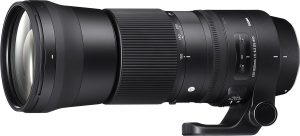 Check on Amazon India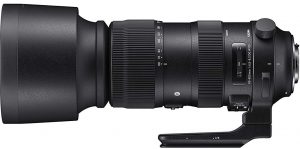
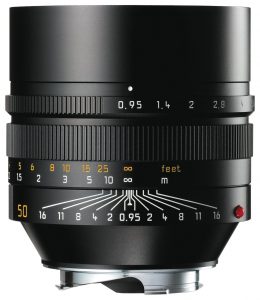
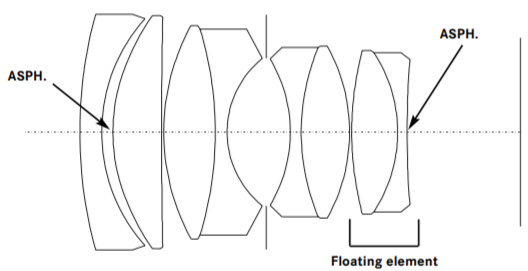
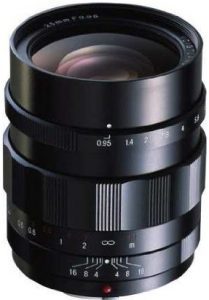
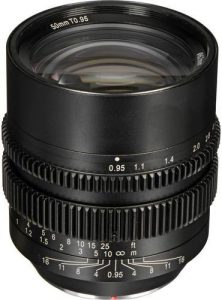
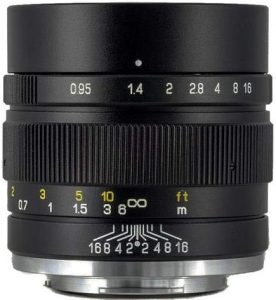
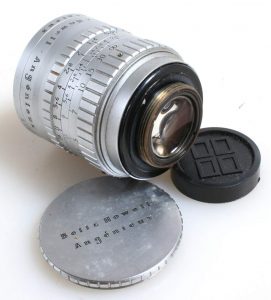
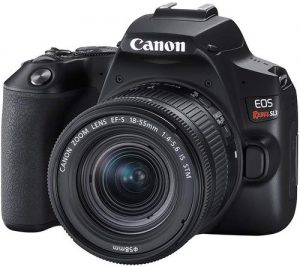
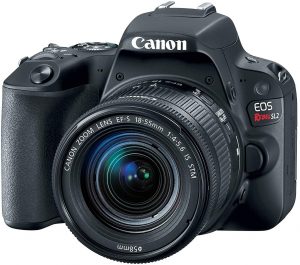

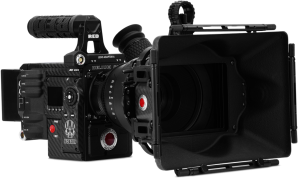
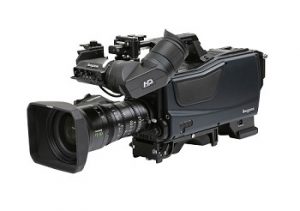
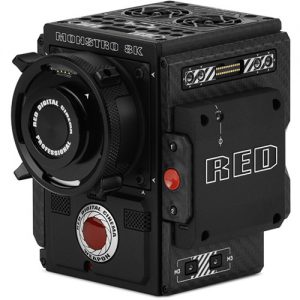
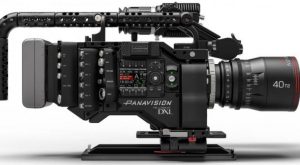
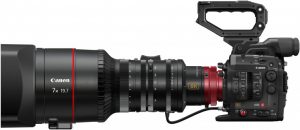 Canon has also decided to enter the 8K camera bandwagon. Camera enthusiasts worldwide have been considering it to be one of the prominent choices among the line-up of cameras that they have been offering.
You have access to the 35mm CMOS sensor and 8192 × 4320 pixel resolution. It can shoot the video at 60 fps. You also have access to a 13+ stops dynamic range and wide color gamut. The pixel density of more than 300 pixels per inch should help you produce quite ultra-realistic images. The EF Mount is a welcome option that assists you in making the camera compatible with a wide range of Canon EF lenses.
Canon has also decided to enter the 8K camera bandwagon. Camera enthusiasts worldwide have been considering it to be one of the prominent choices among the line-up of cameras that they have been offering.
You have access to the 35mm CMOS sensor and 8192 × 4320 pixel resolution. It can shoot the video at 60 fps. You also have access to a 13+ stops dynamic range and wide color gamut. The pixel density of more than 300 pixels per inch should help you produce quite ultra-realistic images. The EF Mount is a welcome option that assists you in making the camera compatible with a wide range of Canon EF lenses.
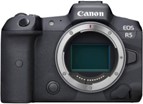
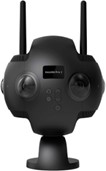
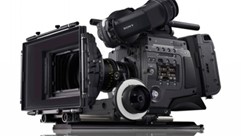
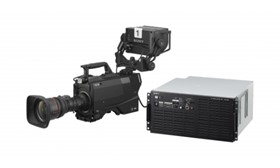
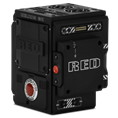

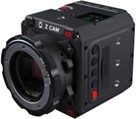
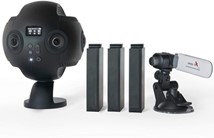
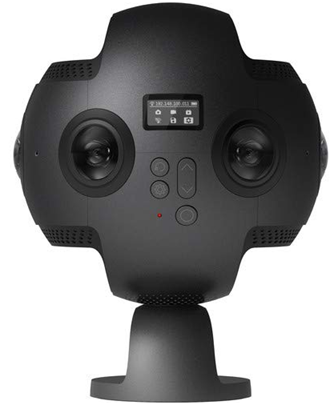
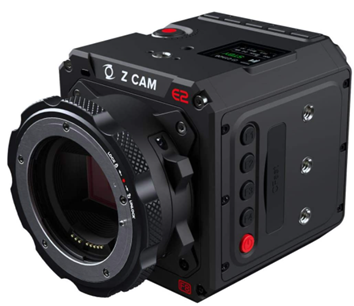

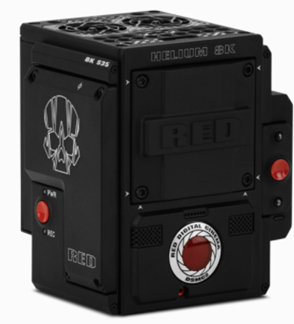
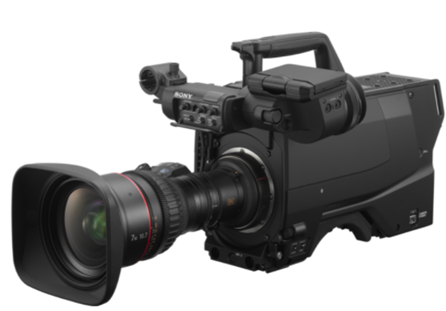
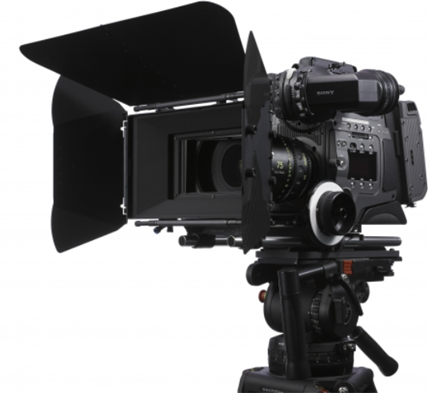
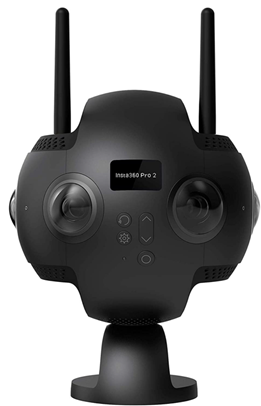
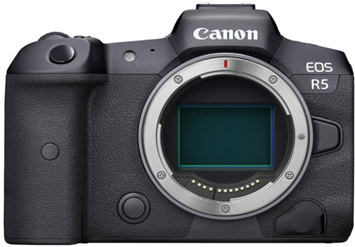
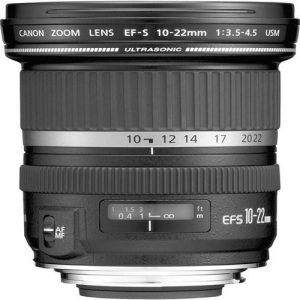
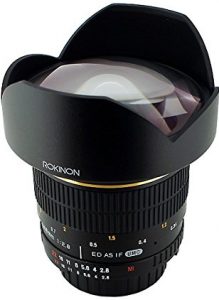

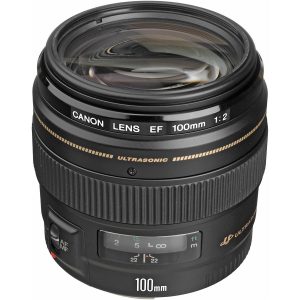
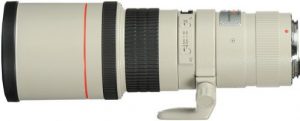
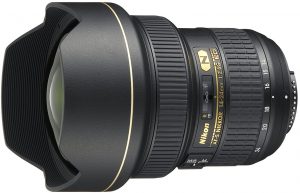
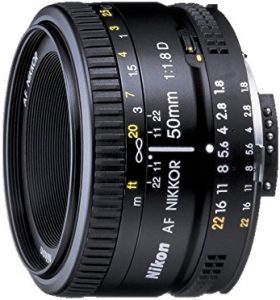

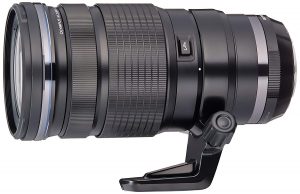
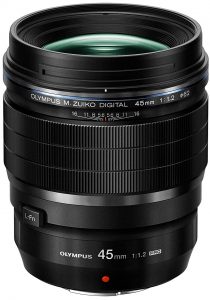
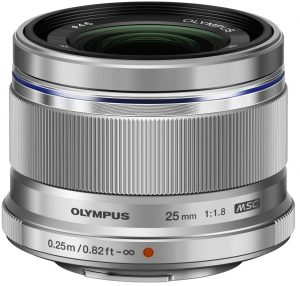
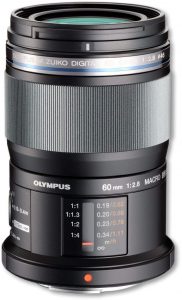
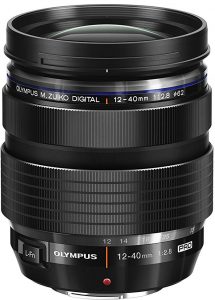
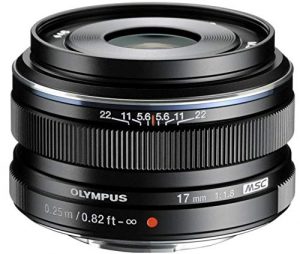
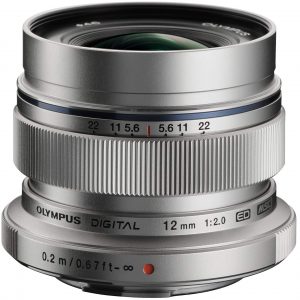
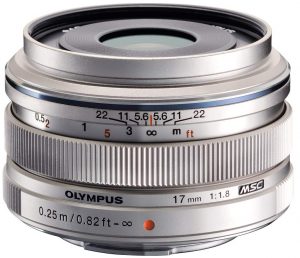

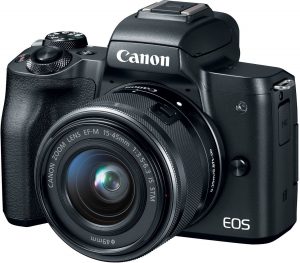
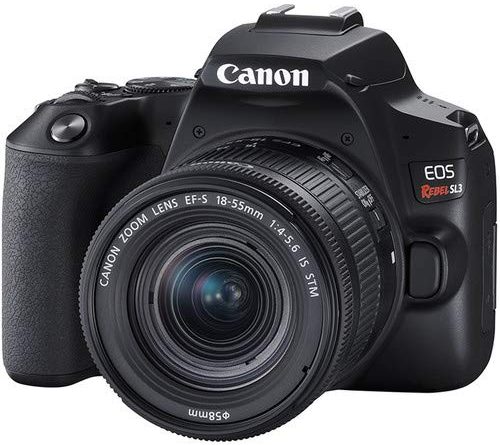
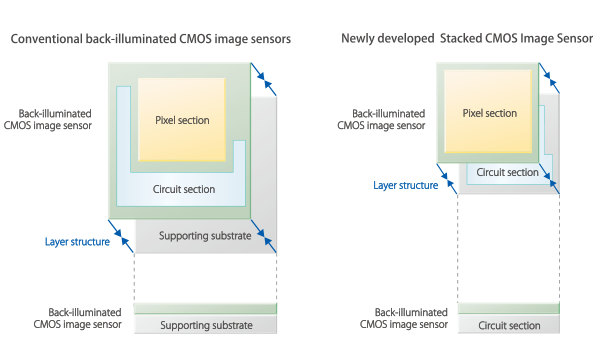 The above image should provide an insight into the technology and how it works. Let us now check out the two capable sensors and the features that it offers you.
Sony has introduced three different sensors among the Sony Exmor sensors –
The above image should provide an insight into the technology and how it works. Let us now check out the two capable sensors and the features that it offers you.
Sony has introduced three different sensors among the Sony Exmor sensors –