Olympus E-M1X vs E-M1 Mark II Mirrorless Specifications Comparison

Olympus – one of the prominent players in the realm of cameras has had a niche fan following in its circle. They have recently launched a new flagship camera with a few extra features. The Olympus E-M1X is indeed an excellent option in every right. But, how does it compare with the older brother Olympus E-M1 Mark II? Let us check out the features and compare the two siblings for a clear understanding of the two cameras.

Olympus E-M1X vs E-M1 Mark II – Key Specs

Camera Name

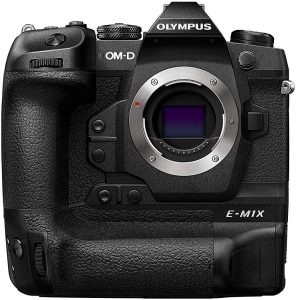
OM-D E-M1X

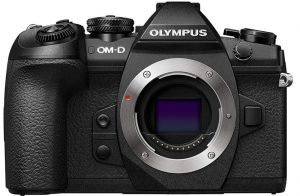
OM-D E-M1 Mark II

Lens System Micro Four Thirds (interchangeable lens) Micro Four Thirds (interchangeable lens)
Card Compatibility SD, SDHC, SDXC (UHS I & II) Dual-Slot Settings: Standard, Auto Switch, Dual Independent, Dual Same Dual-Slots: Slot1: UHS-I, II compatible, & Slot2: UHS-I compatible. Standard, Auto Switch, Dual Independent, Dual Same
Sensor Size & Type 17.4 mm  x 13.0 mm 4/3 Live MOS Sensor 20.4 million pixels Aspect ratio: 1.33 (4:3) 17.4 mm x 13.0 mm 4/3 Live MOS Sensor 20.4 million pixels Aspect ratio: 1.33 (4:3)
Recording & File Format 12-bit RAW (lossless compression) JPEG, & RAW+JPEG (5184 x 3888 pixels – 1024 x 768 pixels – JPG) 12-bit RAW (lossless compression) JPEG, & RAW+JPEG (5184 x 3888 pixels – 1024 x 768 pixels – JPG)
Image Stabilization 5-axis sensor-shift (yaw / pitch / roll / vertical shift / horizontal shift) * When using M.Zuiko Digital lenses equipped with image stabilisation 5-axis sensor-shift (yaw / pitch / roll / vertical shift / horizontal shift) * When using M.Zuiko Digital lenses equipped with image stabilisation
Modes 4 modes (S-IS AUTO, S-IS1, S-IS2, S-IS3), OFF 4 modes (S-IS AUTO, S-IS1, S-IS2, S-IS3), OFF
EVF 2.36M dots EVF 1.48x – 1.65x magnification Approx. 100% field of view 2.36M dots Eye Level 2.36M dots EVF 1.48x – 1.65x magnification Approx. 100% field of view
Display 3.0-inch electrostatic capacitance touch panel vari-angle monitor 1037k dots (3:2) Aspect Ration 3.0-inch electrostatic capacitance touch panel vari-angle monitor 1037k dots (3:2) Aspect Ration
Auto-Focus System 121-point cross-type phase detection High-speed imager AF EV -3.5 – 20 (S-AF, ISO approx.100, with a F2.8 lens) 121-point cross-type phase detection AF and 121-point contrast AF
Shutter Focal-plane shutter (mechanical shutter): 1/8000 – 60 sec., with selectable EV adjustment steps (1/3, 1/2, 1) 10-15 FPS (Depends on Lens) Electronic shutter 1/32000 – 60 sec. (Speed) 0, 1/8, 1/4, 1/2, 1, 2, 4, 8, 15, 30 sec. (Delay) Speed: 1/8000 – 60 sec.
ISO Sensitivity AUTO ISO (default): LOW (approx.64) ‐ 6400 with customizable default and upper limit (200 – 6400) Manual ISO: LOW (approx.64, approx.100), 200 – 25600 (adjustable in 1/3 or 1 EV steps) AUTO ISO (default): LOW (approx. 64) ‐ 6400 with customizable upper limit (200 – 6400) Manual ISO: LOW (approx. 64), 200 – 25600 (adjustable in 1/3 or 1 EV steps)
Video Recording 4096 x 2160 (C4K) / 24p / IPB (approx. 237 Mbps) 3840 x 2160 (4K) / 30p, 25p, 24p / IPB (approx. 102 Mbps) 1920 x 1080 (FHD) / 30p, 25p, 24p / ALL-I (A-I), IPB (SF, F, N) 1920 x 1080 (FHD) / 60p, 50p / IPB (SF, F, N) 1280 x 720 (HD) Recording Time up-to 29 minutes 4096 x 2160 (C4K) / 24p / IPB (approx. 237 Mbps) 3840 x 2160 (4K) / 30p, 25p, 24p / IPB (approx. 102 Mbps) 1920×1080 (FHD) / 30p, 25p, 24p / ALL-I (A-I), IPB (SF, F, N) 1920×1080 (FHD) / 60p, 50p / IPB (SF, F, N) 1280×720(HD) Recording Time up-to 29 minutes
Audio 16-bit Stereo 16-bit Stereo
GPS & Sensors GPS (GLONASS, QZSS), compass, manometer, temperature sensor, Acceleration sensor Via smartphone GPS data
Dimensions W: 144.4 mm, H: 146.8 mm, D: 75.4 mm W: 134.1 mm, H: 90.9 mm, D: 68.9 mm
Battery Two BLH-1 Li-ion batteries BLH-1 Li-ion battery (Single)
Connectivity USB-type C 3.5 stereo mini jack (1 Mic & 1 Headphone) Bluetooth V 4.2 BLE WiFi 802.11a / b / g / n / ac Micro HDMI (type D) AC-5 compatible DC Connector USB-type C WiFi 802.11a / b / g / n / ac 3.5 stereo mini jack Micro HDMI (type D) AC-5

Olympus E-M1X vs E-M1 Mark II – A Comparison

The Olympus E-M1 Mark II was launched back in 2016 and was an excellent camera for the days gone by. The faster sensor, burst speeds of up to 60 fps and a Pro Capture feature what made the best camera available at the time. It was the advanced mirrorless camera at the time.
Olympus OM-D E-M1X

Check on Amazon

Now after a gap of four years – the manufacturer has introduced a new flagship camera in the form of Olympus E-M1X. It is one of the excellent cameras that came in the mirrorless genre with the vertical grip. It should be noteworthy to understand that the feature is only available with the high-end DSLR cameras. Let us compare the two cameras based on how do they perform concerning the key features.
Olympus OM-D E-M1 Mark II

Check on Amazon

The Design

The E-M1X comes with a built-in vertical grip, and that should be the major difference between the two capable options. This makes it considerably larger than the E-M1 Mark II. However, from the comfort point of view, you would find the E-M1 Mark II lighter and compact. That does not mean we do not like the E-M1X. The vertical grip is indeed a welcome gesture. Even the front grip is larger enough and offers a superior build quality. While the predecessor does have excellent build quality, but it gets better with the E-M1X. There are a lot of similarities as well. Both of them come with a magnesium alloy body and excellent weather sealing functionality. The cameras are dust, splash and freeze proof. The E-M1X offers the weather sealing even with the cables connected. You will find a new button layout on the latest model. There is an AF joystick as well. The 12 customizable buttons can be another added advantage when the E- M1 Mark II had 9 of them. You will also find four custom modes as opposed to the three on the main dial.

Image Stabilisation

One of the features that would make the E-M1 Mark II a great option is the 5.5 stops image stabilization. You can get a 6.5 stops performance with the specific lenses. However, you can expect a better configuration on the new model now. The E1MX comes with a new gyro sensor. It now offers 7.5 stops of compensation with the stabilized set up. It has been considered to be the world’s highest correction as such. The official rating for the image stabilization is 7Ev as compared to the 5.5 Ev on the EM1 mark II.

Battery Life

The new design on the Olympus EM1X comes with the additional battery. The two batteries come with the BHL-1 configuration and with the two batteries, you should be able to shoot around 870 frames on a full charge. The EM1 mark II, on the other hand, offers you 440 frames per charge. Another advantage from the battery point of view should be the ability to remove and replace the battery while the camera is mounted on a tripod. Also, you should also be able to charge the batteries through the USB port on the camera. It should take around two hours to load it to the full capacity.

Enhanced Viewfinder

This is yet another new feature introduced on the new EM1X. It comes with a newly revised viewfinder. The resolution remains the same across the two offerings at 2.36 million dots, but the magnification levels have been given a boost. The older EM1 Mark II comes with the 0.74X magnification when compared to the 0.83x magnification on the EM1X. This should help you check out your subjects in a better manner and position it correctly. The optics of the viewfinder have also been enhanced with aspherical and high reflective index elements. This improves clarity. You also have access to the 120 fps refresh rate.

An Improved Supersonic wave filter

The two cameras share the same 20.4 MP sensor, but the new model has the supersonic filter enhanced. This wave filer helps remove the dust, and similar particles creating issues with your images and are available on both the Olympus cameras. The supersonic wave filter on both the models vibrate at the same 30000 times a second, but the EM1X has implemented a new coating. Olympus claims that this additional enhancement improves dust removal by 10 percent.

Shutter actuation improved

Ideally, you will find the DSLR cameras and other mirrorless cameras with the shutter actuations that range across 200000 to 300000. The two siblings from Olympus also live up to this standard. The EM1 mark II comes with a respectable 300000 shutter actuations, while the new EM1X offers you an improved 400000 shutter actuations. The shutter is protected with a great deal of weather sealing, but again the EM1 X takes the lead here by keeping the weather sealing functionality working even when you are using a microphone, a USB connection or any other accessory on your camera.

Enhanced Autofocus settings

The autofocus points on the new model remain unchanged as on the older brother. Both the cameras come with 121 all cross-type phase detection points on the chip, while there is an equal number of contrast detection points. However, the new EM1X offers you an additional functionality in the form of the AI-powered Intelligent Subject Detection AF feature. It should help you detect and lock into focus on any the subject. A good example can be shooting moving objects. The AF Target function is yet another advantage.

The GPS Functionality

You may not find the location functionality on most of the cameras. Most of the cameras tend to achieve functionality through the connected smartphone. Even the EM1 Mark II uses this technique to tag the images and videos with the location information. The EM1X comes with a built-in GPS sensor and thus should help tag the location quite accurately even without the paired smartphone or any other extra device. Also, the EM1X also comes with additional sensors in the form of a temperature sensor, manometer and a compass built into the camera.

Handheld Resolutions

Olympus is perhaps the first and the only camera manufacturer to offer a handheld mode for the high-resolution photography with the handheld functionality. Olympus claims that the camera outputs the images as if they are from a 50 MP sensor. The mode was somewhat available on the older EM1 Mark II, but it has been made a reality on the new EM1X with an enhanced High-resolution mode for the handheld mode.

What makes Olympus EM1 X stand out from the EM1 Mark II?

The new EM1X introduces a few features on the device making it a suitable upgrade over the EM1 Mark II. Some significant advancements can be summed up as
  • An anti-flicker mode for the stills and videos
  • USB charging with the Camera turned off
  • New dust reduction system with an extra coating
  • Focus stacking improved to 15 shots instead of 8.
  • Bluetooth connectivity. It also supports RAW files transfer.
  • Shutter actuation hiked to 400000

The Concluding Thoughts

Well, which one among them will we recommend? The new EM1 X should be the best option if you are looking to buy one among those two options. There are several reasons for reaching this conclusion, and a few may have already been answered through the detailed comparison of the key features we have had in the above paragraphs. The EM1X packs in a whole lot of features and the high-resolution mode are just one of them. This should help you avoid the need to bring a separate tripod for your shooting events. The camera is more significant, and some of you may consider this as a disadvantage, but we would take it as an advancement. The bigger size will mean you have access to a better grip. The ergonomics offered by the camera should be the most advantageous functionality. Of course, the EM1 Mark II can be one of the best options from the portability and price perspective. But the EM1X beats it by comfortable margins if you consider the most important aspects that a camera should offer – image quality and the set of features. What are your views? Share them with us through the comments here below.

Best DSLRs with GPS Built-in with Superzoom Hybrid and Rugged Options

Why look for DSLRs with GPS Built-in you ask? It is because the camera has not remained what they used to be just a few years ago. They now come with plenty of special features and functions that may not be directly related to photography. The Built-in GPS module is one of them and perhaps one of the ideal features you would expect on your digital camera. We will list out the top end cameras that come with a GPS functionality built within.

Best DSLRs with GPS Built in 2019

The built-in GPS functionality is one of the essential features you would look for in your next digital camera. It will help you identify (and tag) the geographic location where the shot was taken. This can be helpful in many ways. The geo-location is embedded in your photo file properties. It helps you to tag a place easily, especially when posting on social media sites such as Instagram. A photo taken on a modern smartphone already does this. You can use the information to pinpoint the exact location where the shots were taken along with the date and time along and other technical details like ISO, exposure etc. It can also be useful for transferring the content to a computer and mark those locations on a map. Here are some of our top picks for the best DSLR cameras that come with the built-in GPS connectivity option.

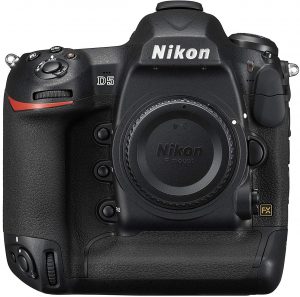
1. Nikon D5

Check on Amazon

Nikon D5 is one of the best options with a built-in GPS module. Being a Pro grade camera, it offers all the flagship features with several extended functions that should make it a great choice for photographers. Best in class autofocus and low light performance should be what will make it a great option in every right. Some of the features that will make it a great choice will include:
  • It is one of the flagship cameras for those shots in the dark and wild.
  • It comes with an impressive and professional quality 20.7 MP at a native resolution of 5588 x 3712-pixel resolution.
  • You can capture videos at ultra HD resolutions at 30 fps.
  • It can even shoot continuously at 14 fps.
  • The 153 point autofocus works at its best

The Pros

  • Faster Autofocus
  • A high-end HDMI output
  • 4K video capture compatibility

The Cons

  • It accepts only XQD cards for storage
  • A non-tilting screen can be an issue for some of us
  • A little expensive and bulky to handle.
You can gather more information on the Nikon D5 from Amazon.

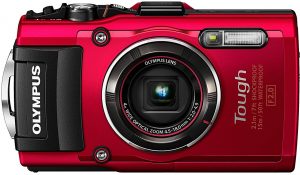
2. Olympus TG-5 Waterproof Camera (Rugged Point & Shoot)

Check on Amazon

Ruggedness and waterproofing is what makes the Olympus TG-5 a prominent choice. The camera is waterproof up to 50 feet and crush-proof up to 220 pounds. The 12 MP sensor is capable of handling most of the tasks it is designed to do, and offers you outstanding performance in terms of low light photography. A few salient features that the camera comes with include:
  • The camera offers you a rugged, durable and tough functionality
  • The faster F2.0 lens camera should help you capture live action and adventure.
  • One of the best cameras for low light photography, you can expect an excellent quality of images.
  • If you are looking at excellent shooting speeds for faster moving actions.
  • Ultra 4K HD video performance

The Pros

  • Support for freeze point up to 10 degrees C and dustproof compatibility
  • In-camera focus tracking feature.
  • 4K video compatibility
  • It should be your best option for underwater photography.

The Cons

  • The camera is prone to lens flares
  • The camera can be expensive when it comes to the competitors
  • The panoramic mode may not be capable enough
If you think the camera meets your requirements, you can check out the features at this link on Amazon.

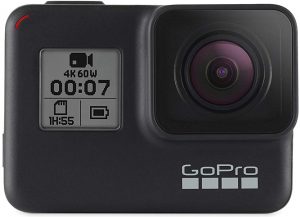
3. GoPro Hero7 Black

Check on Amazon

GoPro has been a name well renowned for the cameras in the sports/action photography genre. The GoPro Hero7 Black has been one of the excellent options for underwater photography as well. Smooth footage with in-body EIS, smart capture, and waterproofing are the features that will make it one of the prominent options to go with. A few other features we would consider promising enough with this camera include:
  • The camera is capable of shooting at 12 MP native resolution
  • GoPro Hero7 Black offers you 4K video shooting capabilities.
  • You also have access to 8X slow-motion video capabilities.
  • Voice control functionality lets you get your shots taken without having to handle the camera physically
  • It also offers you live streaming features

The Pros

  • Smoother video stabilization
  • Touchscreen UI should help you achieve the best results
  • High-end 4K video and image quality
  • Waterproof functionality

The Cons

  • Voice commands can be a real issue
  • Heating issues can be one of the negative highlights.
If you want to check out the DSLR, you can check it out at this link on Amazon

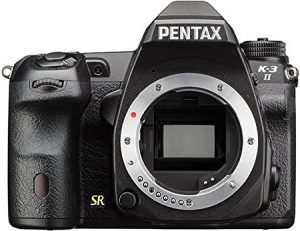
4. Pentax K-3II – DSLR

Check on Amazon

If you are looking for the best WiFi and GPS connectivity, the Pentax K3 II is an excellent option for the camera. The camera comes with the 24 MP sensor with an excellent zoom and cropping functionality. The features that the camera comes with include the following:
  • The camera comes with Astro Tracer Function for Astrophotography with built-in compass function and GPS connectivity.
  • Have access to 27 point autofocus functionality.
  • Pixel shift resolution helps you out with an enhanced performance
  • It also has an electronic compass system

The Pros

  • Vibrant images straight out of the camera.
  • An excellent APS-C sensor.
  • An excellent dynamic range
  • Best in class noise reduction features

The Cons

  • Video shooting does not offer continuous autofocus
  • The menu items are not bright enough
  • The Lens ecosystem
Do you want to give it a try? Check it out here on Amazon.

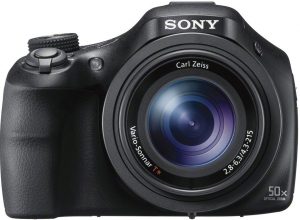
5. Sony Cyber-Shot DSC-HX400V (Superzoom Range)

Check on Amazon

If you are looking at the absurd level of functionality in terms of zoom, the Sony Cyber-shot DSC -HX400V is one of the excellent options you can go with. The Zeiss lens offers you an astonishingly creepy zoom level of 50X!

Some of the excellent features that the DSLR camera offers you include:

  • 50X optical and 100X (Digital) clear image zoom levels.
  • You have access to incredibly smoother video and still images.
  • 20.4 MP sensor offers you superior low light photos
  • An excellent connectivity function with WiFi and NFC.
  • The GPS connectivity lets you map the tagged photos.

The Pros

  • High-end zoom functionality.
  • You can get the mobile phone apps for exciting artistic effects.
  • Lock-on Autofocus feature for an enhanced focus performance.
  • High-end cinematic experience at 1080p and 60 fps.

The Cons

  • The considerably lower level of viewfinder performance
  • No photo creativity modes to improve the pictures using the camera software
  • Lack of customization options available in comparison with its competitors
If you consider it one of the best choices you can go with, you may choose to find more at this link on Amazon.

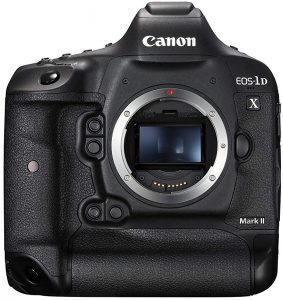
6. Canon EOS-1DX Mark II DSLR Camera

Check on Amazon

With a shooting capability of 20.4 MP and 4K functionality, the Canon EOS -1DX Mark II is an excellent option for most of your professional photography requirements. A perfect combination of power, speed, and innovation, the camera meets all your needs to perfection.

A few features we loved with the camera can be summed up as

  • It offers you an excellent speed of up to 14 fps and 16 fps in the Live view mode.
  • You have access to 4K video shooting at 60 fps.
  • Dual DIGIC 6+ image processor enhances the overall performance of your camera.
  • The built-in GPS connectivity should be one of the added advantages.

The Pros

  • An excellent speed, a sturdy build quality, and ergonomic design are the primary elements that will make it a great choice.
  • High-end 4K video shooting and 61 point autofocus functionality
  • Faster RAW shooting mode
  • Faster autofocus and an excellent low light performance

The Cons

  • Some of the cinematic features are missing from the settings
  • Balancing it may be a little concern.
  • Heavier weight can be an issue compared to the other models in competition.
You can check out the camera from this link on Amazon.

Comparison Chart for the best DSLRs with Built-in GPS

Features Nikon D5 Olympus TG-5 GoPro Hero7 Black Pentax K3 II Sony Cyber-Shot DSC-HX400V Canon EOS-1DX Mark II
Screen size 3.2 inches 3 inches 2 inches 3.2 inches 3 inches 3.2 inches
Megapixel count 36.3 MP 12 MP 12 MP 24.4 MP 21.1 MP 20.2 MP
Optical Sensor 20.7 MP 12 MP 12 MP 24.4 MP 21.1 MP 20.2 MP
Optical Zoom 1X 4X 1 X 50X 1X
Video capture  4K UHD at 2160p 4K UHD at 2160p 4K UHD FHD 1080p FHD 1080p FHD 1080p
Camera type full frame Full frame Full frame Full frame
Focus Autofocus Autofocus Autofocus Auto and manual focus autofocus  autofocus

The Parting Thoughts

That was a formidable list of the best options for the DSLR cameras with GPS connectivity. We assume we have been able to provide you a enough choices so that you can choose the camera that is best suited for your needs in terms of performance other features. Have you used any of the cameras we have featured in this compilation? Share your thoughts, expressions, and opinions with the cameras through the comments section here below.

Best Canon EF 50mm F/1.8 II Polarizing Filter List for Canon DSLRs

Are you looking for a Canon EF 50mm F/1.8 II Polarizing Filter for shooting landscapes? Most of the cameras, particularly DSLRs these days come with an ability to use filters. If your camera does, it is an excellent option to use a polarising filter. What exactly does the polarising filter do? Well, it changes the way your shots look, especially for landscape photography. In today’s post, We will try to understand what a polarising filter is and how does it work in today’s post. We will also attempt to check out a few good Polarising filters for Canon EF 50mm f/1.8 II lens.

What is a Polarising Filter?

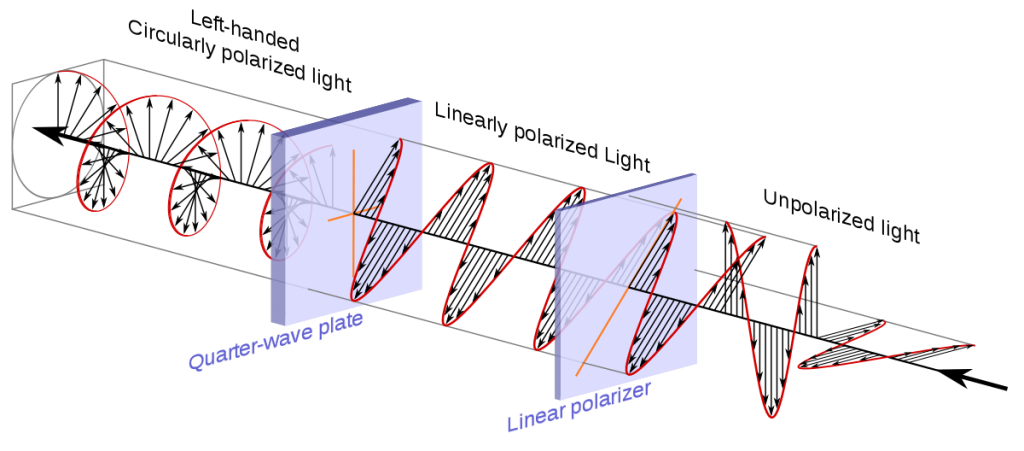
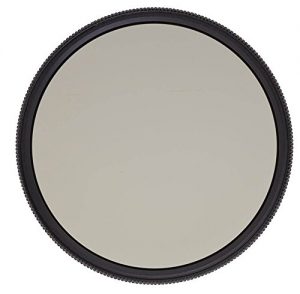
A Polarising filter is a specially adapted glass that focuses on improving your image quality. It is typically turned at an angle to the source of light and comes handy in reducing the glare from the reflected surfaces of your subject. A polarising filter tends to be circular so that you can fit it on any lens surface. It also comes with a spinning arrangement to adjust the performance. In addition to improving the performance of your images, it also doubles up as a protection option for your lens. While you can use several other filters for the glass, if you are looking for an improved shot in addition to the protection of your lens – a polarising filter should be what you need to check out.

How does a Polarising Filter Work?

Using a circular polarising filter should be one of the best options to go with. You can get them in varying diameters so that they can suit a wide range of lenses. The primary principle that they work with is through allowing a particular angle of light to pass through them. A polarising filter can be adjusted to your needs by rotating it. This lets you block specific wavelengths from entering the lens and thus reduces the effects that the light may have on your shots. One of the prime objectives of using a polarising filter is to reduce the reflections from direct and indirect light sources. Of course, it may not be able to eliminate the reflection entirely, but reduces most of the issues. The rest can be taken care of by post processing techniques using software.

Best Canon EF 50mm f/1.8 II Polarising Filters

Having understood what a polarising filter is and how does it work, let us now check out a few filters for one of the most popular and widely used Canon lenses. We could scrape through the available options for the best in terms of the polarising filters for Canon EF 50 mm f/1.8 II and came up with the following results.

PhotoCentral CPL Circular Polarizer Glare Shine Polarizing Filter

58mm Polarizer Filters

Check on Amazon

It can be used as one of the best options for the glare and reflection from your lenses. In addition to using it as the polarising filter, it can also double up as one of the best protective filters as well. It comes with a 58-52mm adapter ring in the box.

Some worthy features can be summed up as

  • Circular in shape and thus should be suitable for most of the lenses.
  • If you are into shooting skies quite often, they can help you deepen the intensity of the blues
  • The polarising filter is also useful in letting you saturate the colors effectively.
  • It can be an excellent option for shooting on the beach or any waterfronts.
If that impresses you, it can be a good idea to check it out at this link on Amazon.

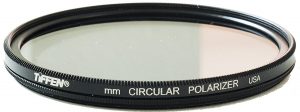
Tiffen 52mm Circular Polarizer

Check on Amazon

Though the product page specifically does not say anything about the EF 50mm lens we are interested in. The specifications should meet the requirements, and it should be a practical option for your Canon lens. Using a adapter ring, you should be able to fit it perfectly. One of the best options for outdoor photography, it is available in a circular construction and enhances the image quality in bright light. Just like the previous option in this compilation, it helps you bring out the best from the Blue Skies.

A few salient features can be

  • The polarising filter is made with the Colorcore process to ensure better accuracy
  • The filter comes with a whopping ten-year warranty
  • It helps you remove unwanted reflections and improves the color saturation
  • It can be an excellent option if you are into shooting landscapes and sunsets.
If you think it is worth your efforts and needs, you can check it out here on Amazon.

(Big Mike) 49mm 7PC Filter Set for Canon EF 50mm f/1.8

Check on Amazon

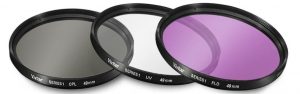
If you are looking for an effective package of the best filters for your Canon EF 50mm lenses, this should be your best bet for all your needs. The box comes with seven filters and should ideally suit your Canon lens for varied application areas. You get three piece polarising filters, and four sections of close up filters. The polarising filter comes with a UV filtering compatibility along with the polarising filtering capabilities while the UV filter lets you get protection against dust and damage in addition to avoiding the UV radiation, the polarising filter aids in adjusting the effects of lights and reflections on your shots. Some excellent features that it comes with can be summarised as
  • The filter comes with double threading, thus allowing you an excellent polarising effect.
  • It helps eliminate glare and reflections.
  • The filter can be an excellent option for enhancing color and contrast.
  • You can also use it to improve the color saturation – especially in the outdoors.
If those features impress you, the filter combo is available at this link on Amazon.

The Concluding Thoughts

Finding the polarising filter specifically meant for a particular lens type may not be that easy enough. However, we have attempted in finding the best options that suit your exact requirements. Do note that we have included even those filters that have not been specifically mentioned to be compatible with the lenses of our choice. Are you aware of any good polarising filters that would suit most of your requirements on the Canon EF 50 mm f/1.8 II? If you have found any good options, do share your thoughts and experiences with us through the comments here below. That would help us arrive at the best choices we may have access to. We look forward for your questions and suggestions. Thanks for visiting!

Sony EXMOR IMX586 vs IMX607 Sensor Specifications Comparison

Sony may not be performing well in the smartphone segment, but it has been showing excellent performance in terms of smartphone camera sensor tech. Yes, we are talking about the camera sensors used on smartphone cameras. While Sony launched an IMX586 sensor that could shoot images in 48 MP, recently the company came up with a new launch in the form of IMX607 that offers a 38 MP resolution. In today’s article, we will be comparing the Sony EXMOR IMX586 vs IMX607 specs. Read along to know more.
Related: Samsung Isocell GM1 vs Sony IMX586

What are Sony EXMOR Sensors?

Well, Exmor is a technology developed by Sony especially for the on-chip analog to digital signal conversion. The technology focusses on the noise reduction functionality to arrive at the best possible results on a smartphone camera. It has been one of the industry’s leading technology when one thinks of the smartphone cameras and their sensor implementations. The technology has also been implemented in several sensors on their DSLR cameras. The Exmor range of sensors is available in four variants – Exmor sensors, Exmor R sensors, Exmor RS sensors, and Exmor imaging modules. The Exmor R sensors have been designed with the illuminated backlight. Exmor R is the first sensor to launch this technology. The Exmor RS sensors come with the stacked CMOS image processing sensor. This technology was first launched in 2012. The camera sensors we are discussing here belong to the Sony Exmor RS sensor types.

Sony IMX519 vs. IMX486 vs. IMX386 vs. IMX586 vs. IMX377 – Comparison Table

Specification Sony Exmor RS IMX 519  

Sony Exmor RS IMX 486


IMX386

 IMX 586  IMX377

Effective Pixels / Video 16 MP 12 MP (4032 x 3016) 12 MP (3968 x 2976) @ 4:3 9.03 MP @ 17:9 48 MP (8000 (H) × 6000 (V)) 4K(4096×2160) @ 90fps 1080p @ 240fps 720p, 480p 12.2 MP (4032 x 3024) 35 FPS @12 Bit 40 FPS @ 10 Bit  
Sensor Size 6.828 mm (1/2.6”) 6.2 mm (1/2.9”) 6.2 mm(1/2.9”) 8.0 mm diagonal (1/2-type) 7.81 mm (1/2.3″)
Unit Cell Size 1.22 um 1.25 um 1.25 Microns 1.6 μm pixels 1.55 μm
Sensitivity 133-LSB
Sensor Saturation Signal 4500e
Video Output   MIPI C-PHY1.0 (3 trio) / D-PHY 1.2 (4 lane)
Subpixel Layout RGB RGB RGB RGB RGB (On-chip mosaic filters)
Phase Detection Autofocus Yes Yes Yes Yes Yes
Gyro Image Stabilization
Built-in DRAM Memory
Release Date February 2018 February 2018 Jul 2016 Jul 2018 April 2015
Utilizing Devices Oppo R15 OnePlus 6 Xiaomi Redmi Note 5 Pro Xiaomi Mi 6X

Huawei Mate 10 Pro

LG Nexus 5X Huawei Nexus 6P HTC 10 Xiaomi – Yi 4K Action Camera DJI Mavic Pro (Drone)

The IMX607 – An Overview

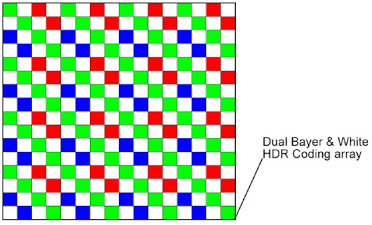
The new Sony camera sensor, IMX607 is one of the latest options that has been optimized for low light photography. The technology used in the sensor – Dual Bayer technique, but there are no more details currently available about the exact status of the sensors. The sensor makes use of the white pixels in addition to the existing array of RGB pixels. The cameras using the sensor will capture more light through the white pixels. This will help you get better details and more brightness in your videos and images. Thus you will find a better performance in terms of low light photography. The sensor uses Quad Pixel Phase Detection Auto Focus referred to as QPDAF for a faster and better autofocus function. The specifications also state that the new sensor will feature high-SNR pixel binning readout function, advanced noise reduction, dual sensor synchronization operation, and built-in ambient light and temperature sensors. The service is expected to launch with the high-end flagship devices being launched in 2019. The most likely devices to include the new sensor include Google Pixel 4 or Google Pixel 4 XL. However, there is no official confirmation available for the availability of the sensors on the Google’s smartphones as yet. However, the new sensor is likely to be introduced with the Huawei Mate devices. We would expect the sensor to be launched with Huawei P30 Mate in 2019.

The specification of the sensors read as follows –

  • The sensor is back-illuminated and offers you a stacked CMOS sensor performance
  • It provides you access to a two-wire serial communication.
  • It will provide you access to the high level of the signal to noise ratio.
  • An exceptional low light performance.
  • The built-in sensor for temperature.
  • Ambient light sensors.

IMX586 Sensor – An introduction

The IMX586 sensor launched by Sony is designed and launched in 2018 and offers a performance that has been quite dramatic. Yes, we are referring to the 48 MP sensor with 8000 x 6000-pixel resolution. Sony says this is the highest pixel count in the industry, and that is indeed entirely true. However, the higher megapixel count alone cannot guarantee a good performance. The smaller pixel size can produce a higher level of noise in low light conditions. However, Sony claims that it will opt for the Quad Bayer filter correction and this is likely to offer the low light functionality that is equivalent to 12 MP sensors. The standard sensors with 12 MP resolution offer you 1.6-micron sized pixels, while the 48 MP sensor provides you pixel size of 0.8 microns. The technology used here is called pixel binning. However, the new IMX586 is expected to be one of the mainstream solutions, in sharp contrast to the experimental options used on the previous versions.

The features of IMX586 can be summarised as follows:

  • It offers you world’s highest degree of pixel count in the world – 48 MP (2018)
  • Quad Bayer array design for an enhanced performance higher sensitivity and better resolution. This can be an added advantage for low light situations.
  • A better dynamic range and excellent real-time output. You will get images with minimal blowout or loss in detail.
  • You can expect higher saturation levels and sensitivity.
The higher dynamic range offered by the sensor is what would provide you access to the better exposure control and a high-end signal processing functionalities.

The Comparison: IMX586 vs IMX607

The IMX607 is the new option and has not been made available as yet. This would mean the specifications have not yet officially available. However, we will try making a comparison between the two competing sensors from Sony’s stable.
Features / Particulars

Sony IMX586

Redmi Note 7 Pro

Sony IMX607

TBD

Effective pixels 48 MP 38 MP
Video resolution 4K at 90 fps 1080p at 240 fps 720p and 480p Not available
Sensor size 8 mm diagonal 9.99mm diagonal 1/8-inch Sensor size
Unit pixel size 1.6 microns 0.8 microns
Sub-pixel layout RGB RGB+ white pixels
Phase detection autofocus Yes, available Yes, Quad Phase-detection autofocus (Q-PDAF)

The Concluding Thoughts

That was a complete comparison between the Sony IMX607 and Sony IMX586 sensors based on the specifications available as of now. The company has not yet offered any specific details about the IMX607 sensor and the spec sheet for the sensor. However, there have been a few leaks that have been doing the rounds on the technology websites. So, that would leave us with the details as in the above discussion. However, we would promise to share more information on the specifications and features about the new sensor along with the phones that the sensor has been used for through an update to this post.

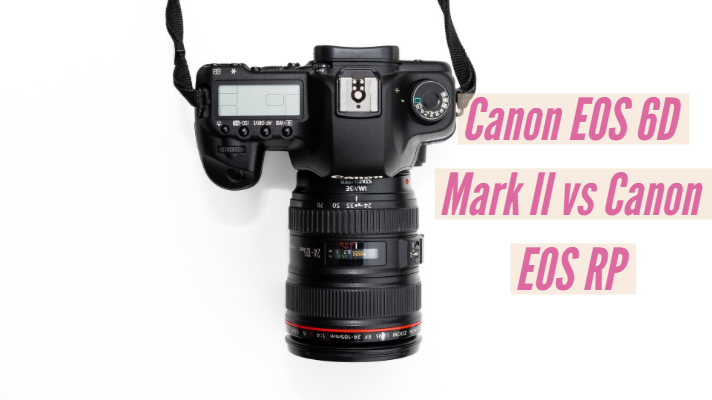
Canon EOS 6D Mark II vs Canon EOS RP – Specifications Comparison

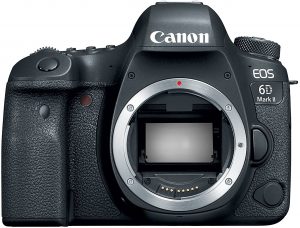
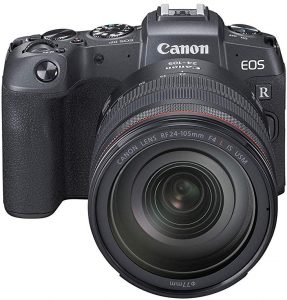
Canon has been one of the most prominent manufacturers when it comes to the high end and professional DSLR cameras. A couple of years ago, Canon launched its entry-level basic model Canon EOS 6D Mark II  in the full frame DSLR camera options. However, the recent launch of Canon EOS RP has overshadowed it as the next best thing that can happen in the entry-level offering. How do these two cameras compare with one another? We will explore the two cameras and compare them (6D Mark II vs Canon EOS RP) to find out the best purchase among them.

Canon 6D Mark II – An Overview

Check on Amazon

The Canon EOS 6D Mark II was the much-awaited successor for the 6D launched in 2012. It enhanced the performance of 6D in terms of speed and performance. However, there was no significant improvement observed in the image quality. The camera also has become an enhanced performer with an improvement in sensor and ISO range. There is also an improved autofocus system and continuous shooting performance. However, the price is considerably higher in comparison to the model that it looks to replace. That is precisely what necessitates a discussion on whether the cost is justified. Some of the features it offers justify the pricing. The camera comes with a host of smart features not found on the original model. The rounded contours and an innovative button layout are a few features making it a great choice for prosumers. You have access to a new 26.2 MP sensor in tune with most of the cameras in its range. The new Canon Dual Pixel CMOS AF sensor is an added advantage, especially for in-video focusing. This ensures a faster phase detection autofocus features. It comes with a 45 point all cross type autofocus feature one of the best features of the 6D range. The Digic 7 combination provides you access to a better ISO range of 100 to 40000. This can further be expanded to up to a range of 50 to 104000. The higher ISOs and higher resolution make it a perfect low light performer. The higher frame rate is yet another added advantage at 6.5 frames per second. That said, the EOS 6D Mark II has a few limitations as well. It cannot shoot in 4K. However, it offers you access to an HD video shooting at 60 fps. It provides you a five-axis in-camera digital stabilization for your movies.

Canon EOS RP – An Introduction

Check on Amazon

Well, Canon is an excellent option when it comes to offering good alternatives to budget-conscious consumers. The EOS RP is an attractive option with a few great features, but one that would not break your bank balance. It is an excellent option in the affordable cameras with mirrorless full frame compatibility and 4K shooting capability. It has been marketed as the populist variant of the high-end Canon EOS R. It sits comfortably alongside the Canon EOS 6D Mark II. It does share a host of features and functions similar to the 6D Mark II. The Digic 8 image processor powers the camera. It shares the same 26.2 MP sensor as on the 6D Mark II. The ISO range stands at 100 to 40000 with the expandable range reaching up to 102000. The Dual Pixel CMOS AF sensor is yet another common feature that it shares with the older model. The autofocus system has a whopping 4779 autofocus positions. The camera can shoot 4K at 25 fps, but will not be able to use the Dual Pixel AF functionality and offers 1080p recording at 50 fps with the Dual Pixel AF sensor features. Of course, it does not come with a considerable number of killer features as such but attempts to stay ahead of the Canon 6D Mark II. Some of the features that stand apart are Focus bracketing and semi-automated focus tracking mode. However, there is no in body image stabilization available on the camera. But, you can get similar performance with Canon’s Dual Sensing IS technology when you use it with the RF lenses. Ideally, it can be considered to be the enhanced mirrorless version of the 6D Mark II with 4K shooting compatibility. The best still images are indeed one of the features you would want to opt for it. The camera has been launched explicitly for those looking for an advanced camera at affordable pricing.

Canon EOS 6D Mark II vs Canon EOS RP – A Comparison

Having gone through the individual concise reviews of both the competing siblings, let us now move to compare them on a feature to feature basis.

The Physical properties and Body

If the front area plays a significant role in deciding the camera size, Canon EOS RP is considerably smaller in comparison. It is also quite light when compared to the Canon EOS 6D Mark II.
Features

Canon EOS RP

Canon EOS 6D Mark II

Physical dimensions 133 x 85 x 70 mm 144 x 111 x 75 mm
Weight 485 grams 765 grams
Weather sealing No Yes
  It goes without saying that when portability is a concern, a lighter and smaller option can be a good alternative. However, outdoor shooting will need protection against dust and splash, which is available on 6D Mark II.

The Battery Life

The Canon EOS 6D Mark II is powered by LP-E6N battery, while the EOS RP has an LP-E17 power pack. The former will provide you 1200 shots per charge, while the EOS RP can reach up to 250 shots per charge. However, one of the advantages offered by the Canon EOS RP is that the power pack can be charged using a USB cable. This can prove to be advantageous if you are a traveler who carries your cameras on every trip that you undertake.

The Sensor

This should be one of the prominent aspects of a camera and goes a long way in understanding the image quality. A larger sensor will ensure a better light sensitivity and thus a better low light performance.
Features

Canon EOS RP

Canon EOS 6D Mark II

Image processing engine Digic 8 Digic 7
Sensor resolution 26.2 MP 26.0 MP
ISO range 100 to 40000 100 to 40000
Extended ISO range 50 to 102400 50 to 102400
Resolution 6240 x 4160 pixels 6240 x 4160 pixels
  The Digic 8 image processing on the EOS RP ensures an improvement in noise reduction, color accuracy, and processing speed. Rest of the features and functions offered by the cameras remain almost equivalent.

Other features

The two competing cameras do differ when it comes to the elements. The Canon EOS RP offers you an electronic viewfinder, while the EOS 6D Mark II comes with an optical alternative. The viewfinder on the EOS RP provides a broader field of view in contrast to the one on the EOS 6D Mark II.
Features

Canon EOS RP

Canon EOS 6D Mark II

Viewfinder type Electronic Optical
Control panel No Yes
Screen size 3.0 inches 3.0 inches
Screen resolution 1040k dots 1040k dots
Screen articulation Yes Yes
Touch screen Yes Yes
Shutter speed 1/4000 sec 1/4000 sec
Shutter flaps 1/5.0 sec 1/6.5 sec

Connectivity options

Connectivity options are one of the most essential for helping you communicate with other devices. This includes WiFi, NFC, and other available connectivity options. The following table should provide an insight into the available connectivity options
Features

Canon EOS RP

Canon EOS 6D Mark II

Hotshoe Port Yes Yes
Internal microphone Yes Yes
Internal speaker Yes, mono Yes, mono
Port of microphone Yes Yes
Port for headphone Yes No
HDMI support Yes, micro Yes, mini
USB Yes, v 2.0 Yes, v 2.0
WiFi Yes, available Yes, available
NFC support No Yes
Bluetooth Yes Yes

A few other comparisons: 6D Mark II vs Canon EOS RP

Now that we have covered almost all features through a tabular comparison let us check out a few features not discussed in the above discussion.
Features

Canon EOS RP

Canon EOS 6D Mark II

File formats supported Still Images: JPEG, RAW Movies: AVC/H.264, MP4 Audio: AAC, Linear PCM Still Images: JPEG, RAW Movies: MJPEG, MOV, MP4, Audio: AAC
Storage options supported SD, SDHC, and SDXC SD, SDHC, and SDXC
Video formats 3840 x 2160p at 23.98/25 fps (MP4 via H.264) 1920 x 1080p at 25/29.97/50/59.94 fps (60 Mb/s MP4 via H.264) 1280 x 720p at 25/29.97/50/59.94 fps (12 Mb/s MP4 via H.264) 1920 x 1080p at 23.98/25/29.97/50/59.94 fps 1280 x 720p at 23.98/25/29.97/50/59.94 fps
Aspect ratio 16:9 1:1, 3:2, 4:3, 16:9
Autofocus points Phase Detection: 4779 Phase Detection: 45 (45 Cross-Type)
Lens mount Canon RF Canon EF
 

What makes the EOS 6D Mark II a great option?

Now that we have compared the two devices in complete and finer detail, here are the basic features that go in favor of the Canon EOS 6D Mark II –
  • It provides you access to a better framing with an optical viewfinder
  • The viewfinder offers you a better magnification
  • Faster burst speeds at 6.5 flaps/sec
  • Weather sealing to take care of dust and splash resistance.
  • NFC provides a better pairing with other devices

Which features go in favor of EOS RP?

Here are a few features that make the Canon EOS RP a better alternative –
  • Better images, thanks to the advanced image processing engine
  • Better video shooting functionality at 4K
  • Better sound control efficiency with headphone port
  • More modern compared to the Canon EOS 6D Mark II
  • Can be charged using the USB port and thus best for travelers.
  • It can use non-native lenses through adapters

In Conclusion

That was a complete comparison between the two Canon cameras. We have compiled all the relevant details of the two cameras and outlined each of the features provided by the two cameras. You can compare them with the functionalities that matter to you and make a learned choice between the two.

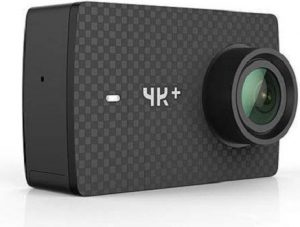
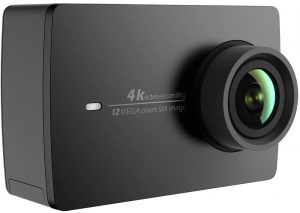
Yi 4k vs 4k+ Plus Action Cameras Specifications Comparison & Pricing

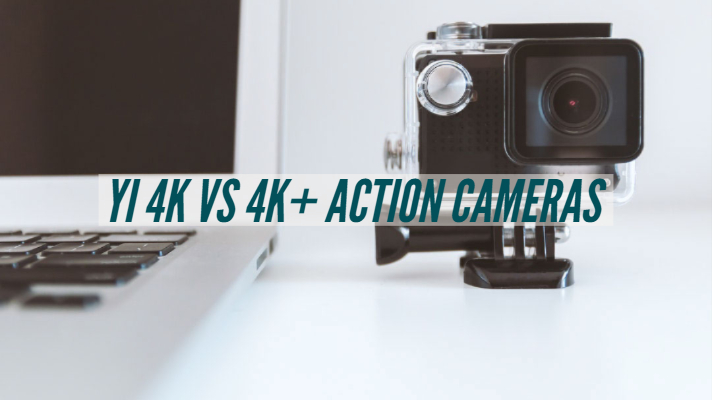
When one thinks of the action cameras, the first name that comes to your mind is GoPro. After all, they created this genre. However, one of the significant concerns that prevent average users from opting for it is the exorbitant price tag associated with it. That is where the need for an affordable alternative comes to the fore. The Yi 4K and Yi 4K+ are a couple of excellent options you can give a thought to. Now that we have mentioned them here let us explore them and check out the differences (Yi 4k vs 4k+) between them. [amazon_link asins=’B01FU9ZIMU,B01CW4AZ4M’ template=’ProductCarousel’ store=’foi04-20′ marketplace=’US’ link_id=’253e6076-4874-4a28-80fe-3ff9131c8a8b’]

Yi 4K vs 4K+ – What are the main differences?

The principal difference between the two Xiaomi (Sub) branded cameras is the video resolution that it offers you. The newer Yi 4K+ provides you a better 4K recording functionality when compared to the older model. It can reach up to 60 fps when shooting in 4K resolution, while the Yi 4K will offer you a maximum of 30 fps only. The Yi 4K+ offers you an electronic image stabilization at 4K resolution. However, do note that this is limited to the shooting at 30 fps only. The older Yi 4K does not offer any sort of image or video stabilization as such. It can provide you an Electronic Image stabilization (EIS) to up to 2.7K resolution alone, and not for the 4K videos. If you are someone who regularly shoots in the 4K resolution, you will find it a limiting factor on the Yi 4K. The Yi 4K offers you a slightly larger screen. In any case, for practical purposes, you may not find a significant difference in terms of the screen size. Another major difference we noticed between the two options is the newer Yi 4K+ is a little expensive in comparison to the older model. The price difference is around $70.
Related: Best 4K HDR Camcorders

The minor differences between the Yi 4K vs 4K+

While the design of the two cameras remains almost similar in almost every respect. They come with the same physical dimensions and weight virtually identical. There has been a minor difference in the external texture or looks though. The Yi 4K+ comes with the textured front. The camera comes with a black color option. The essence of change lies in the functionality of the camera and the insides. One of the noticeable differences is the inclusion of a USB Type C port available on the Yi 4K+, while the older Yi 4K offers you a micro USB compatibility. The USB Type C is the new and a better standard in comparison. It can even provide you a better and faster-charging functionality. It can also be used to attach a microphone to the camera. If you are looking towards the storage options, both offer similar options with support for microSD cards with up to 128 GB Class 10 cards. The continuous 4K video shooting per full charge is one of the key differences. The Yi 4K+ can provide you a 4K videos at 30 fps for up to 105 minutes. The older Yi 4K can shoot the same quality videos for up to 120 minutes on a single charge.

The Common features on the two cameras

The USP of the new generation Yi camera is its better 4K shooting compatibility. Like we have already explained in the above discussion, the new model provides you access to a 60 fps 4K video shooting experience. Rest of the features remain similar across the two cameras. The quality of the images taken by the two cameras will remain the same at all resolutions. The cameras are equipped with the Sony image sensor and thus ensure a similar quality. However, the low light photography will be a better option on the Yi 4K+. The connectivity options remain the same across both Yi 4K and Yi 4K+. Both the siblings have Bluetooth 4.0 and WiFi connectivity options allowing you a capable streaming and file transfer capabilities. Both cameras support voice control and live streaming features. When it comes to the accessories, they do work with both the cameras. If you already have a Yi 4K and bought a few accessories for it, you will still be able to use them with your new Yi 4K+ if you decide to upgrade to the newer model.

The Video Quality

The Yi 4K and 4K+ are action cameras, and the most crucial aspect of an action camera is the video shooting capability. As we have already discussed in the above comparison, the newer Yi 4K+ offers excellent video performance. In terms of video quality, you will find them both on equal terms. Of course, there is a subtle difference when it comes to the colors and their reproduction. The colors look quite natural and bright on the Yi 4K+. The color reproduction can even match the performance on the high-end GoPro Hero series of cameras. The color reproduction on the Yi 4K appears to be a little over optimized. Night time or low light performance can be another factor that needs a close examination. The Yi 4K+ can handle low light scenarios more efficiently. The details tend to be a little better, and images appear sharper in the low light situations. The performance remains equal across the two cameras in the daylight though. The Yi 4K+ comes with an electronic image stabilization even at 4K. This can again help obtain smoother video performance.

The Comparison Chart: Yi 4K vs 4K+

Having gone through the details of the characteristic features and the differences between the two action cameras, we thought it would be great to check out the elements in a side by side comparison chart. This will help make a learned comparison between the two capable cameras.
Features / Particulars Yi 4K+ (Check AliExpress) [amazon_link asins=’B01CW4AZ4M’ template=’PriceLink’ store=’foi04-20′ marketplace=’US’ link_id=’4b31dc1e-986a-44aa-a2fb-8ad26188073d’] Yi 4K (Check AliExpress) [amazon_link asins=’B01FU9ZIMU’ template=’PriceLink’ store=’foi04-20′ marketplace=’US’ link_id=’9cec1a39-77bf-40c7-a235-991347f455f0′]
Camera Type Action cameras Action cameras
The Physical Dimensions 65mm (L) x 30mm (W) x 42mm (H) 65mm (L) x 30mm (W) x 42mm (H)
Weight 95 grams 96 grams
Screen size 2.2 inches 2.2 inches
Screen resolution 640 x 360 resolution touch screen 640 x 360 resolution touch screen
Video shooting modes supported Time-lapse, slow motion, loop Time-lapse, slow motion, loop
Video resolutions supported 4k @ 60 fps, 2.7k @ 60 fps, 1440p @ 60 fps, 1080p @ 120 fps, 720p @ 240 fps 4k @ 30 fps, 2.7K @ 60 fps, 1440p @ 60 fps, 1080p @ 120fps, 720p @ 240fps
Photo resolution 12MP/4000×3000 12MP/4000×3000
Image sensor Sony IMX377 Sony IMX377
Electronic image stabilization Yes, available up to 4k @ 30 fps Yes, available up to 2.7k @ 60 fps
Auto low light functionality Yes Yes
Correction for lens distortion Yes Yes
Bluetooth connectivity Yes, v 4.0 Yes, v 4.0
WiFi Connectivity Yes, available Yes, available
Voice control Yes, supported Yes, supported
Weather sealing No No
Battery life 105 minutes for 4K at 30 fps 120 minutes for 4K at 30 fps
GPS Connectivity No No
Ports available USB Type C, microSD slot micro USB, microSD slot
  The head to head comparison above comes with clear indications wherein we would find that the two cameras are entirely equivalent in most factors. It has an improved resolution, and that is perhaps the only significant difference. Almost all the other features remain altogether similar.

The Concluded Thoughts

The Yi 4K+ is the new camera compared to the Yi 4K. That would make it a little more advanced option than the older version. Of course, there are not many new features – including hardware. Even then, the Yi 4K+ should be the best actin camera if you are looking for an affordable, yet capable option in the genre. If you already have a Yi 4K, there may not be a point in upgrading to the newer Yi 4K+. The two cameras come with a few differences and arrival of a new camera may not be the right decision maker. However, if you are someone who continually shoots in 4K, upgrading to the Yi 4K+ can be a wiser decision.

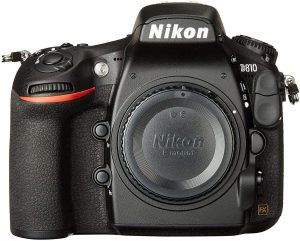
Nikon D810a vs D810 – Specifications Comparison and Key Differences

0
When we think of DSLRs Nikon is perhaps one of the names that should come to your mind. However, with a massive number of camera options available from Nikon, it may be a difficult task to understand each offerings. That is precisely why we thought of comparing two of the popular FX format DSLRs from Nikon and exploring them to find out the best among the two cameras. Yes, we are talking about Nikon D810a vs D810. If this interests you, read along to know more on the subject.

Nikon D810 – An Introduction

Check on Amazon

The Nikon D810 has been a camera designed to replace the ageing Nikon D800 and the D800E. It introduces a lot of improvements and updates over the original Nikon D800 series. It was one of the best devices at the time. The 36.3 MP full frame camera Nikon D810 comes with four special features –
  • Superior Image Quality – There are a few features that provide you with excellent functionality when it comes to image quality. You have a wide range of FX lens options and an excellent ISO range on the camera. Coupled with it is the powerful Expeed 4 image processing engine that offers you an enhanced noise reduction, support for 1080p videos at 60 fps and an improved picture control options.
  • Reliability – Nikon D810 comes with 51 autofocus points. It also has a front curtain shutter to capture the images with the minimum blur. There is an enhanced option for superior dust protection and weather resistance.
  • Proper handling – The enhanced exterior design and rubberized body cover and an improved adjustable color balance are a few features that make professional photography and handling a great option.
  • Movie Recording – The enhanced ISO recording with ISO 64 to 51200 and a 1080p recording at both 50 fps and 60 fps are the two factors that would improve the movie recording functionality further ahead.
As for handling, it feels great in hand. You have access to weather sealed body and good hand grip functionality. There is an added i button that is used to change the settings right from the rear comfortably. The shutter is quieter and should be a great option when compared to the Nikon D800. The camera comes with an optical viewfinder that is larger coverage, enough to shares a lot of information right away. The battery life is rated at 1200 shots per charge. You should be able to improve it further using a Nikon battery grip if you need to. The shutter speed is impressive enough. Almost everything is just great – speed after shot after shot, focussing and consistency. The camera provides you access to some configurations and settings. It can shoot videos in full HD in 1080p at 60p, 50p, 30p, 25p and 24p. There are microphone and headphone jacks for an enhanced stereo recording. ISO range can be set between ISO 64 to 12800 and can extend to up to 51200 as well.

The Pros

  • An enhanced continuous shooting at 5 fps
  • Improved quality for video recording at 60 fps
  • You have access to multiple image color options
  • Weather sealed body
  • Two years warranty

The Cons

  • No 4K video recording
  • Slightly higher price
  • The image quality depends upon the more costly FX lenses.
  • The live view focus is a little slower.

Nikon D810A – An Overview

Check on Amazon

The Nikon D810A shares most of the features with the D810. The 36.3 MP sensor makes it an excellent option for enhanced functionality. There is a special IR cut filter to take care of red tones. The camera comes with no optical low pass filter. The Nikon D810A is an excellent choice if you are interested in astrophotography. Astrophotography for the uninitiated is capturing the objects (invisible to the human eye) in the sky at night. You can also use the downloadable Capture NX-D software for Astro Noise Reduction. The camera shares almost all the other specifications with the Nikon D810. However, the camera is specifically designed for the astrophotography. It comes with the same physical design and controls as on the Nikon D810. Once again, the camera does offer you a good grip and offers weather sealed body. The camera feels well built and offers you a high degree of handling. As on the Nikon D810, you have access to the i button for the quick change of settings. The shutter is quieter to a greater extent. It comes with the 51 focus points for enhanced performance. There is an optical viewfinder that is large and bright enough. The battery life is marked at 1200 shots per charge. You can even extend it further with the battery grip. This camera is an excellent option for providing you access to infrared photography. This can help shoot the night sky. As for video performance, you will have access to a full HD video recording in 1080p at 60p, 50p, 30p, 25p, and 24p. To assist your audio enabled video recording, you have access to headphone and microphone jacks as well. This can help you in a stereo recording.

The Pros

  • 5 fps continuous shooting performance
  • A great image quality
  • Several image color options to improve your shots
  • Best suited for astrophotography.
  • Great battery life
  • An excellent noise performance.
  • Infrared photography compatibility

The Cons

  • You will need better lenses for a good image quality
  • Higher sensitivity for red tones. This can be an issue for regular photography.
  • No illumination of buttons at night. This can be an issue while shooting the night sky

The Comparison Chart – Nikon D810a vs D810

Having gone through the detailed description into the best features offered by both Nikon D810 and Nikon D810A, how about comparing the two DSLR cameras in a head to head comparison chart? This side by side comparison can help you check out the exact features you want to focus on. Go through the following chart and make the right choice for the best cameras for your exact needs.
Features / Particulars Nikon D810

Nikon D810A

Camera Type Full frame CMOS DSLR Full frame CMOS DSLR
Lens Mount Type Nikon FX Nikon FX
Camera Format Full-Frame (1.0x Crop Factor) Full-Frame (1.0x Crop Factor)
Resolution 36.3 MP 36.3 MP
Maximum Resolution 7360 x 4912 pixels 7360 x 4912 pixels
Aspect ratio 3:2 3:2
File formats supported Still Images: JPEG, RAW, TIFF Movies: MOV, Audio: Linear PCM Still Images: JPEG, RAW, TIFF Movies: MOV, Audio: Linear PCM
Weather sealing Yes Yes
Memory cards supported CompactFlash SD SDHC SDXC CompactFlash SD SDHC SDXC
Autofocus points 51 (15 Cross-Type) 51 (15 Cross-Type)
Screen 3.2″ Rear Screen LCD 3.2″ Rear Screen LCD
Diagonal angle of view 170 degrees 170 degrees
ISO sensitivity 64 to 12800 Extended 32 to 51200 200 to 12800 Extended 32 to 51200
Video recording Yes, NTSC Yes, NTSC
Video formats supported 1920 x 1080p (Full HD) 1280 x 720p (HD) 1920 x 1080p (Full HD) 1280 x 720p (HD)
Frame rates supported @ 1920 x 1080: 60 fps, 30 fps, 24 fps, 50 fps, 25 fps @ 1280 x 720: 60 fps, 50 fps @ 1920 x 1080: 60 fps, 30 fps, 24 fps, 50 fps, 25 fps @ 1280 x 720: 60 fps, 50 fps
Battery Type EN-EL15 Rechargeable Lithium-Ion Battery Pack, 7.0 VDC, 1900 mAh EN-EL15 Rechargeable Lithium-Ion Battery Pack, 7.0 VDC, 1900 mAh
Battery Backup 1200 shots per charge 1200 shots per charge
Physical Dimensions 5.7 x 4.8 x 3.2″ / 146.0 x 123.0 x 81.5 mm 5.7 x 4.8 x 3.2″ / 146.0 x 123.0 x 81.5 mm
Weight 880 grams 880 grams
Connectivity options WiFi and HDMI WiFi and HDMI
Bluetooth Not available Not available
Continuous shooting Yes, up to 5 fps Yes, 5 fps
Self-timer 10 seconds, 2 seconds 10 seconds, 2 seconds
Image stabilization Not available Not available
Processor Expeed 4 Expeed 4
  You would have noticed that there is practically no difference between the two cameras in any manner. They are identical in almost every way. The only difference that these two cameras come with would be the astrophotography functionality offered by the Nikon D810A. It features a red tone filter to assist in this arena.

The Concluding Thoughts

Nikon understands the needs of astrophotography and the need for those involved in the genre. That is precisely what would be indicated through the introduction of a camera for the special photography needs – the Nikon D810A. That should make one thing clear. If you are confused between the Nikon D810 and D810A and unable to choose the right one between the two, the choice should be clear. If you are into general photography, go for the Nikon D810. If you are also into astrophotography, check out the Nikon D810A. Except for this one single differentiating factor, the rest of the features remain the same across the two competing devices. We hope you like our article. Feedbacks and suggestions are welcome in the comments section below. Thanks for visiting and have an excellent day!

Yi Home Camera vs Yi Dome Camera Specifications Comparison

Security is of utmost importance these days. Every home these days should ideally have a security camera for even the safest neighborhoods. There are several options available in the market, but if you are looking for relatively affordable security cameras that have access to a few great features, here are a few excellent cameras you can check out. In this article, we will discuss two capable options like Yi Home Camera vs Yi Dome camera and compare the features that they offer you.
Related: Amazon Cloud Cam vs Ring Stick Up

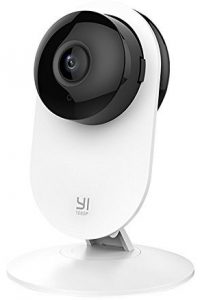
Yi Home Camera – An Overview

Check on Amazon

The Yi Home camera comes with simple and compact packaging. The plastic construction and thin looks make it appear as if it is cheaply made, but you can be assured of the enhanced features available on the device. The noon slip gasket at the bottom should be one of the options that makes it perfectly stable. You can opt for an all-black construction or choose the one with a black and white combination. The back of the camera module features a speaker. You should be able to have two-way communication with someone nearby easily. The microSD card can be used discretely for recording audio and video activities. There is a blue LED that indicates the presence of a camera. However, you can switch it off with the help of the companion app to opt for a stealthy operation. The cord accompanying the camera is long enough, to place it at awkward places. This is a welcome option from the short cables we have generally found with the other cameras. The setup is not a difficult task. It is quite simple to set it up even for non-techies. The camera guides you with the installation process through the voice prompts. You will need to install the app on your phone, creating a WiFi password and then point it to the QR code displayed by the app. That completes the task of setting your camera up. You can access the camera at any time through the app, no matter where you are and check out the camera feed on it. You can check out both SD and HD video quality options. You can use the speaker icon on the camera to talk to the person on the other side of the camera. The camera supports both continuous recording and motion based recording. You can control the motion sensitivity through the camera settings on your app. You can configure the movement to low, medium or high depending upon your exact requirements. Night recording is enabled through the built-in IR lights. These are enabled by default and will come into action when the camera sensor detects that it is getting darker. However, you can disable them through the camera settings. There is a cloud subscription available for saving your footage. The service comes with a free 30-day trial. There are paid options available for the services you opt for on a monthly or yearly basis.

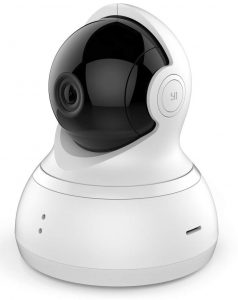
Yi Dome Camera – A Sneak Peek

Check on Amazon

The Yi range of cameras is trying to take on the big players in the realm of action and security cameras. The camera comes with 360-degree coverage and provides almost unlimited storage options under its cloud service on a subscription basis. The Yi Dome camera offers you access to 360-degree access, but nothing here is exactly 360 degree. It has a 112-degree field of angle, and the cam rotates both horizontally and vertically. The camera attempts to track the items in motion. This may not be something you would witness in most of the home security cameras. It can handle video recordings at 1080p. You can either save the records on the SD card or the cloud as per your preferences. The Yi Dome camera can also handle audio detection along with video detection. This can be an excellent option if you have a tiny toddler or an infant at your home and you need to pay particular attention to the baby. Yi claims that the Yi Dome camera can intelligently differentiate between a baby cry from any other sounds. The camera offers you a two-way audio functionality and thus can work as an intercom. The camera offers you access to the option of storing the footage on the cloud. The free trial, as in the case of Yi Home camera comes with a 30-day limitation. The subscription plan comes with support for up to 5 cameras.

The Comparison Chart: Yi Home Camera vs Yi Dome

After checking out the two cameras and their features in finer detail, a side by side comparison between the two devices can be helpful enough in arriving at the right buying decision. Check out the table below for comparing the exact features that you are looking ahead to.
Features / Particulars Yi Home Camera [amazon_link asins=’B01CW4AR9K’ template=’PriceLink’ store=’foi04-20′ marketplace=’US’ link_id=’586b9108-96b0-48d6-8e89-2e8d5b1c13ab’] Check on Aliexpress Yi Dome Camera [amazon_link asins=’B01CW4BG4K’ template=’PriceLink’ store=’foi04-20′ marketplace=’US’ link_id=’57b5af11-1199-40c3-a790-c274c26c0900′] Check on Aliexpress
Video resolution 1080p 1080p
Frames per second 15 fps 15 fps
Video format supported H.264 H.264
On-demand live view Yes Yes
Record live view Yes Yes
Field of view 112 degree diagonal 112 degree diagonal 360 degree with horizontal and vertical movements
Zoom 4x digital zoom 4x digital zoom
Audio Yes, two way Yes, two way
Motion zones Yes Yes
Person detection No No
Facial recognition No No
Sound detection Yes, baby cries Yes, baby cries
Night vision 8 Infrared LEDs 940 nm LEDs 8 Infrared LEDs 940 nm LEDs
WiFi Yes, 2.4 GHz Yes, 2.4 GHz
Local storage Yes Yes
Cloud Storage Yes, Yi Storage Yes, Yi Storage
Instant app alerts Yes Yes
Personal assistant Not supported Not supported
Lens resolution 2 MP 2 MP
Physical dimensions 3.1 x 1.3 x 4.5 inches4 0.3 x 5.9 x 4.3 inches
Weight 4.8 Oz 8 Oz

Things common to Yi Home Camera vs Yi Dome cameras

The above chart indicates that technically the two cameras almost equal in most aspects. Here are the major design and functional aspects that are common across the two cameras are
  • Live view feature – Both of them provide you access to the on-demand live view. The high-quality video feed is available on your phone through the app.
  • Two-way audio – You will be able to communicate with the guests and intruders from the two-way communication options.
  • Night Vision – With the eight 940 nm LEDs, your camera will continue offering you the best recording experience ever. It can illuminate into 25 meters distance in the dark.
  • Local storage – Both the cameras offer you access to the local storage through SD cards up to 32 GB and cloud storage. Class 10 cards will provide access to a good quality of video performance.

The Difference: Yi Home Camera vs Yi Dome cameras

Having gone through the similarities between the two competing siblings, we will now compare the differences between them.
  • Image Quality – Yi Dome comes with a 1 /4” 1MP CMOS sensor as compared to the 1 /2.7” 2MP CMOS sensor on the Yi Home. Obvious enough, you will get better results on the Yi Home in comparison.
  • Field of view – Yi Home security camera offers you 112 degree of field of angle. The Yi Dome in comparison can provide access to the 360-degree field of view option. The design provided by Yi Dome will make it a great choice to begin with.
  • Motion Detection – The motion detection offered by Yi Dome is an excellent option when compared to the similar feature on the Yi Home. Yi Home will provide access to you a standard motion detection compatibility, while with the Yi Dome, you can be assured of an option to configure motion detection sensitivity to meet your exact needs.

The Concluding Thoughts

So, which one among them is a good option for securing your homes? The choice may not be that easy. Both cameras share the same degree of performance and features. They share more common traits than the differences between them. Except for the dome design and the 360-degree field of view offered by the Yi Dome security camera, we would find both of them being equal contributors. You can choose the one that appeals to you. We hope you like our article. Your valuable suggestions and feedbacks are welcome in the comments section below. Thanks for visiting!

Nikon B600 vs A1000 4K Superzoom Compact cameras specs comparison

Nikon is indeed one of the most popular options when it comes to the cameras. It has recently announced two new cameras viz Nikon Coolpix B600 and Nikon Coolpix A1000. So, how do the two cameras compare between themselves? We will check out the two cameras and their features (Nikon B600 vs A1000) in today’s post.
Related: Nikon Coolpix A900 vs Canon Powershot SX730

Nikon Coolpix A1000 – An overview

Check on Amazon

Nikon Coolpix A1000 is one of the best options when it comes to stylish, portable and robust functionality. You have access to a compact and comfortable design that is comfortable with your pocket as well. Best suited for the current generation who looks ahead for a fast-paced lifestyle and an on the go features, the camera comes with a 35x optical zoom functionality. In essence, it should be the go-to camera for all your needs in handling everything right from your day to day events to once in lifestyle situations. Some of the primary features that the Nikon Coolpix A1000 offers you include the following:
  • An excellent 35x optical zoom capability. It helps you shoot anything right from landscapes to objects that are quite far away.
  • The dynamic Fine Zoom compatibility ensures that sharpness of your images is taken care of.
  • Exceptional macro close-ups that allow you are shooting as close as 1 cm.
  • 16 MP sensor with ISO ranges up to 6400.
  • The viewfinder offers you an eye-level functionality provides you excellent framing options.
  • Compatibility with RAW images
  • Recording capacity to up to 4K ultra HD.
  • The camera comes with Nikon’s Active D-Lighting function for an enhanced photo quality
  • It offers you five pre-set creative modes.

Nikon Coolpix B600 – A Complete introduction

Check on Amazon

The Coolpix B600 offers you a compact functionality and a whopping 60x zoom compatibility. You also have access to an excellent focal length range. You should be able to capture wide-angle landscapes and superior telephoto zoom features. Like Coolpix, A1000 is one of the best options for everyday photographers. The camera looks impressive and simple, but packed inside is the excellent zoom and a wide range of features and functionalities. Some salient features offered by the camera can be summed up as
  • A 16 MP sensor coupled with EXPEED image processing engine.
  • Get access to the 60x optical zoom.
  • The macro mode lets you focus on the close ups with shooting distances as close as 1 cm
  • The built-in vibration reduction mechanism that ensures sharp images and more explicit videos.
  • It comes with 19 scene modes that optimize your shooting experiences.
  • You also have access to 36 different creative effects to choose from
  • You have access to several extra features like Snap Back zoom and side zoom features.
  • Seamless sharing functionalities.

Nikon B600 vs A1000 – A Complete Comparison

Having gone through a few salient features of both the cameras, let us now check out a few similar functionalities that each of the two cameras do offer you. We will compare the two siblings based on a few key features.

The Physical Features

Physical properties of a camera can be a deciding factor when you are looking to buy a camera with a portability factor. Here is a comparison between the two devices.
Features

Nikon Coolpix A1000

Coolpix B600
Physical dimensions 114 x 72 x 41 mm 122 x 82 x 99 mm
Weight 330 grams – 0.73 pounds 500 grams – 1.10 pounds
  The A1000 is undoubtedly smaller among the two options. You will also find it lighter when compared to the other camera. Thus, the A1000 should be a preferred choice when it comes to carrying it anywhere you want to.

The Sensor Comparison

The sensor forms an essential and core feature for a digital camera. It should be one of the deciding factors for image quality.
Features Nikon Coolpix A1000 Coolpix B600
Sensor class 1/ 2.3 1/ 2.3
Sensor resolution 15.9 MP 15.9 MP
Sensor Type CMOS CMOS
  Both the cameras come with similar features among the sensor compatibility. Moreover, the cameras were released during the same period and thus offered you the sensors that belong to the same technological generation as well. Both the sensors come with no anti-alias filters.

The Features

While the sensors and a few features do match, the two cameras come with a few differences. One such huge difference is the Coolpix A1000 comes with an electronic viewfinder, while the B600 offers a simple LCD screen. Some of the features worth mentioning can be
Features Nikon Coolpix A1000 Coolpix B600
Electronic Viewfinder Yes No
Control panel No No
LCD size 3.0 inch 3.0 inch
LCD resolution 1036 k dots 921 k dots
LCD attachment Tilting Fixed
Touch screen compatibility Yes No
Shutter speed 1/4000 sec 1/4000 sec
Shutter flap 1/7.0 sec 1/7.4 sec
Built-in flash Yes Yes
Built-in image stabilization Yes Yes
  The A1000 comes with the touchscreen, while the B600 does offer you a conventional panel. The touch panel is helpful enough for setting up your focus point. The articulation for the LCD as provided by the A1000 can be a useful feature for video bloggers.

Connectivity

Connectivity, when it comes to the cameras is not necessarily limited to the option to connect with your camera with other devices. The connectivity options offered by the two cameras can be lifted out through the following comparison table.
Features Nikon Coolpix A1000 Coolpix B600
Hotshoe port No No
Internal microphone Stereo microphone Stereo microphone
Internal speaker Mono Mono
Microphone port No No
Headphone port No No
HDMI Yes Yes
USB Yes, v 2.0 Yes, v 2.0
WiFi connectivity Yes Yes
NFC support No No
Bluetooth Yes Yes
 

The Head to head comparison: Nikon B600 vs A1000

Here is the complete correlation between the two siblings in a side by side comparison
Features Nikon Coolpix A1000 Nikon B600 vs A1000 Coolpix B600 Nikon B600 vs A1000
Camera type Fixed lens Compact camera Fixed lens compact camera
Camera lens 24-840mm f/3.4-6.9 24-1440mm f/3.3-6.5
Sensor size 6.17 x 4.55 mm 6.17 x 4.55 mm
Sensor Area 28.0735 mm2 28.0735 mm2
Image resolution 4608 x 3456 pixels 4608 x 3456 pixels
ISO setting 100-6400 ISO 125-6400 ISO
Autofocus Contrast-detect AF Contrast-detect AF
Storage medium SDXC cards SDXC cards
Battery type EN-EL12 power pack EN-EL12 power pack
Battery backup 250 shots per charge 280 shots per charge
Optical Zoom 35 x 60x
Focal length 840 mm 1440 mm
Maximum wide aperture 3.4 3.3
Maximum Tele aperture 6.9 6.5
RAW support Yes No
Weather sealing No No
  Please note that the above comparison table does not include the other features we have already discussed in a few comparison charts we have already in a few sections we have previously discussed.

What are the advantages offered by Coolpix A1000 over B600?

Here are the advantages that the A1000 offers you over the B600 –
  • Better video functionality. It provides you video capture options in 4K at 30 fps when compared to 1080p at 30 fps on the B600
  • It has an electronic viewfinder and offers you better control over more natural image framing and setting control
  • The resolution of the LCD screen is at a higher resolution at 1036k in comparison to 921k dots.
  • The LCD offers you a tilting mechanism and thus provides you flexible functionality
  • The screen is touch sensitive and therefore does have only a few buttons

The advantages in favor of the Nikon B600

In contrast, here are the features offered to you if you are looking to buy a Nikon B600 –
  • The camera comes with a better lens aperture which stands at f/3.3 when compared to f/3.4 for the A1000
  • The camera can reach more distant objects with improved perspective compression and subject magnification.
  • Battery life is one of the best at 280 shots per single charge when compared to the 250 shots per charge on the A1000.

The Concluding Thoughts

That was a complete comparison between the two camera siblings and how do they fare against one another. We assume we have answered all the queries that the users may have had in their mind. Both the cameras have been released in quick succession and come with a few similar features. You can choose the one that meets your needs based on the requirements you may have.

Best Canon RP Accessories and Drop-In Filter Mount Adapters EF-EOS R

Canon has recently launched a new breed of camera christened Canon EOS RP. Being a new camera with a few new features at the entry level, finding the right kind of accessories for it may not be quite easy. From that perspective, we thought it would be a great idea to check out a few best Canon RP accessories, which should be helpful for existing EF lens owners.
Related: Panasonic Lumix S1R vs Canon EOS R

Canon EOS RP – An Overview

Check on Amazon

Canon EOS RP is the populist version of its full-frame mirrorless camera, Canon EOS R. The P in the name suggests to Popular. It is what would be focussing on advanced amateur (Enthusiasts) photographers who have been looking for full-frame features on the Canon EOS R but were not willing to spend or opt for the specialist features offered on it and the massive bulk of the big brother, the 5D MK IV. The new camera is powered by Digic 8 processor and comes with a 26.2 MP sensor. Equipped with the ISO configuration of ISO100-40,000 and Dual Pixel CMOS AF, the camera is said to have the world’s fastest Autofocus performance. The camera can support 4K at up to 25 fps while offering 1080p shooting at 50 fps.
You do not have many of the killer features on the Canon EOS R as it is aimed at the entry-level version of its bigger brother, the 6D MK II. There isn’t in body image stabilization available.

The Best Canon RP Accessories

Well, that was a little information on the new Camera EOS RP. Having gone through the high-level details of the camera, we will now move ahead checking out a few Canon EOS RP accessories. The adapters here are best suited for those who are using the Canon EOS RP camera along with other EOS cameras and want to use the old EF (& EF-S) lenses with the new camera.

Canon EF – EOS R Mount Adapter

Canon Control Ring Mount Adapter EF-EOS R

Check on Amazon

The Canon EOS RP comes with the new R mount. If you have the older EF lenses, the mount adapter coming straight from Canon would indeed be an added advantage. The adapter lets you use the EF-S and EF with your new EOS RP camera. Some of the features offered by the adapter included
  • It is compatible with almost all EF and EF-S lenses.
  • The adapter comes with an exterior design perfectly matching the EF lenses.
  • You have dust and water resistance properties built in.
  • It has the metal mount on the lens and mount side. This will improve ruggedness and enhance the durability
In case you think the adapter is worth your expectations, you may give it a try at this link on Amazon.

Control Ring Mount Adapter EF-EOS R

Canon Control Ring Mount Adapter EF-EOS R

Check on Amazon

The adapter is designed to offer the same functionality as the Canon EF – EOS R mount adapter we just checked, but it comes with the Control Ring. The ring provides you additional customization. Moreover, handling your control ring is an easy task. Some salient features you would love are
  • The package comes with four accessories – Canon EF-EOS R Control Ring Mount Adapter, PD Neoprene Sling Strap, PD 6pc Complete Cleaning Kit and Lenspen FilterKlear Lens Pen
  • Control ring offers you a high degree of customization offered by the RF lenses onto your EF lenses. You can use it to control parameters like aperture, shutter speed, ISO sensitivity, and exposure compensation.
  • You also get the six-piece cleaning kit as part of the pack.
  • The control ring also comes with a clicking mechanism.
In case you find the features impressive enough, it may be a good idea to opt for it here on Amazon.

Drop-In Filter Mount Adapter EF-EOS R

Check on Amazon

The Drop-In Filter Mount Adapter EF-EOS R offers you an excellent functionality of the Canon EF EOS R mount adapter but brings in the additional features for using the drop in filters. You no longer need to fit the filters in front of the lens. A few salient features worth mentioning can be
  • It offers you easy compatibility to use the EF/EF-S lenses on the Canon EOS R camera.
  • You can use the variable ND filters in front of the sensor.
  • The adapter offers you a dust and water resistant functionality
  • Metal mount on both lens and mount side is a means for durability.
Did you find it interesting and impressive? In that case, you can check more details on Amazon.

The filters for the Drop-In Filter Mount Adapter EF-EOS R

As we already stated above, the Drop-In filter adapter EF-EOS R helps you add up the drop in ND filters. Canon offers you three filters that work with the adapter stated above. CL-Filter for Drop-In Filter Mount Adapter EF-EOS R The clear filter is for those users who have brought the new drop in the filter but do not want to use any filters. This will help you avoid the issues you may be facing without the filters. PL-Filter for Drop-In Filter Mount Adapter EF-EOS R This is the polarising filter used on the Canon Drop-In filter mount adapter EF EOS R. The polarising filter assists you in removing the unwanted reflection effects. You can use it to boost the color, contrast, and saturation. The filter reduces the glare and haze and reduces the amount of light reflecting from glass surfaces. ND-Filter for Drop-In Filter Mount Adapter EF-EOS R The ND or Neutral Density filter is used for controlling the exposure in your videos. It is also helpful in enhancing the shutter speeds. The ND filter controls the light entering the camera and thus can be an excellent option for the filmmakers who shoot with a wide aperture or slower shutter. The filter can also be an attractive option for landscape photography.

In Conclusion

Those were the prominent accessories currently available for Canon EOS RP camera. Please note that the accessories featured in this compilation are also compatible with the Canon EOS R. Since both the cameras share almost the same features, you can use the accessories outlined here on either of the cameras. Have you used the Canon EOS RP  camera or the accessories featured here for your photography needs? If yes, do share your thoughts, experiences, and opinions about the camera and its accessories with us through the comments section here below.