Samsung has created a dense lineup of 200MP smartphone camera sensors. The ISOCELL HP3 stands as the main technical baseline with widespread public documentation.
The ISOCELL HPX operates as a nearly identical regional variant used in more budget friendly models. Meanwhile, the HP0 remains largely undocumented by Samsung directly but powers aggressive telephoto zoom systems in flagship devices like the vivo X300 Ultra.
Evaluating these components requires looking past the raw silicon specifications. This comparison breaks down the HP3, HPX, and HP0 to show how pixel architecture, image signal processors, and retail handset software actually determine final image quality.
Samsung ISOCELL HP3 vs HPX vs HP0 Specs Comparison
Samsung exposes the ISOCELL HP3 through a global product page and an original press release. The ISOCELL HPX operates as a near sibling or regional packaging of the same 0.56 µm, 200 MP, 1/1.4-inch platform. The HP0 remains the least transparent at the bare sensor level, disclosed publicly mainly through vivo X300 Ultra system documentation. You can compare HP3 and HPX easily as silicon families. You can compare HP0 easily as a camera system implementation.
The evidence supports three main points. First, HP3 and HPX share many public specifications. Both are 200 MP, 1/1.4-inch, 0.56 µm sensors with Tetra-pixel binning, 8K/30 support, all-pixel Super QPD autofocus, and Smart-ISO Pro HDR modes. Second, HP0 finds its value in system integration. vivo pairs it with a large 85 mm equivalent telephoto module, 3 degree OIS, 60 fps AF tracking, a dedicated imaging chip, and video features. Third, manufacturers leave many numbers unspecified in primary materials for these three sensors. These include QE, read noise, temporal noise, full-well capacity by model, rolling-shutter readout time, and power draw.
The phone implementation matters more than the HP3 versus HPX label. Xiaomi Redmi Note 12 Pro Plus and Redmi Note 13 Pro Plus demonstrate that tuning, stabilization, aperture, ISP, and software change the output materially. HP0 anchors a distinctly different camera role for long-range telephoto capture and video on the vivo X300 Ultra.
Research Scope and Source Verification
This report prioritizes primary sources. These include Samsung HP3 press releases, Xiaomi official product pages, and vivo official documentation. Samsung current public catalog highlights newer parts. The HPX is visible mainly through regional launches. The HP0 is visible through vivo phone documentation. The evidence base is asymmetric. It is rich for HP3 and implementation heavy for HP0. Samsung technical material notes that image quality depends on dynamic range, low light noise, speed, autofocus, and power. Published headline specs are necessary but not sufficient.
Sensor Architecture and Specifications
Samsung documents the modern ISOCELL path as a move from front side illumination to back side illumination, followed by pixel isolation structures that reduce crosstalk and raise light capture per pixel. Backside illumination is part of the Samsung ISOCELL story. Stacked architecture is unspecified for HP3 and HPX in the cited public materials. HP0 public architecture is opaque because vivo official documentation focuses on what the X300 Ultra camera system does.
HP3 and HPX are tiny pixel sensors. Samsung positions the HP3 0.56 µm pitch as its smallest mobile pixel and couples it to Tetra-pixel to yield effective 1.12 µm for 50 MP and 2.24 µm for 12.5 MP modes. HPX launch material mirrors this exact formula. Their low light strategy is aggressive binning plus sensor side HDR and autofocus coverage.
| Specification | ISOCELL HP3 | ISOCELL HPX | HP0 |
|---|---|---|---|
| Native Resolution | 200 MP nominal | 200 MP nominal | 200 MP nominal |
| Pixel Size | 0.56 µm | 0.56 µm | Unspecified on official page |
| Optical Format | 1/1.4-inch | 1/1.4-inch | 1/1.4-inch |
| Autofocus Tech | Super QPD, all-pixel AF | Super QPD | 60 fps AF Tracking Snapshot |
| HDR Path | Smart-ISO Pro, Staggered HDR | Smart-ISO Pro, dual HDR | Motion HDR, Dolby Vision |
| Public Video Ceiling | 8K/30, 4K/120 at sensor level | 8K/30, 4K/120 in launch coverage | 4K/120, 10-bit Log |
Deep Architecture Analysis
Samsung technical literature describes the modern ISOCELL path as a move to back side illumination. Pixel isolation structures reduce crosstalk and raise effective light capture. For the HP3, Samsung removed walls between photodiodes inside four same color pixels. This optimizes the structure to store more light. Stacked architecture remains unspecified for HP3 and HPX in public materials.
The HP3 and HPX operate as tiny pixel sensors. Their low light strategy relies on aggressive binning plus sensor side HDR. Samsung explains Smart-ISO Pro as a dual readout approach merged in sensor. It links HP3 to 14-bit HDR via this operation. HP0 public official story is more system level. vivo talks about motion HDR and Dolby Vision rather than the underlying sensor HDR circuit architecture.
Release Chronology and Family Progression
The public record shows a clear progression from a globally documented HP3 baseline to a regionally surfaced HPX variant. The timeline ends with an HP0 that is publicly visible mainly through a premium phone implementation rather than a Samsung sensor page.
- June 2022: Samsung launches the ISOCELL HP3 globally. Documentation outlines the 200 MP resolution, 0.56 µm pixel size, and 1/1.4-inch optical format.
- October 2022: The ISOCELL HPX appears via regional launch channels. Public specifications match the HP3 geometry class closely.
- 2023 to 2024: Mass market deployments occur. Xiaomi releases the Redmi Note 12 Pro Plus with the HPX and the Redmi Note 13 Pro Plus with the HP3.
- 2026: vivo documents the HP0 via the X300 Ultra release. The sensor operates behind an 85 mm telephoto lens with 3 degree OIS and 60 fps AF tracking.
Image Signal Processor Dependency
Samsung technical presentations explain the difficulty of processing high dynamic range imaging, noise reduction, and video at the main processor level. The manufacturer moves more of that workload into the sensor directly. Xiaomi markets the HP3 with additional computing power and optical plus electronic image stabilization. vivo goes further by adding a dedicated VS1 plus imaging chip. This custom chip processes RAW data before it reaches the main processor. vivo states this approach manages noise, sharpness, and dynamic range in difficult lighting. The sensor provides the foundation for mobile imaging in 2026, but the processing pipeline controls the final image output.
Sensor Capability vs. Handset Implementation
Although HP3 and HPX advertise strong sensor side video ceilings, the shipping phones cited here do not expose the same results. The following interactive module visualizes the discrepancy between theoretical silicon capabilities and what users actually receive in retail devices.
Observed in representative retail phones
Maximum exposed 4K recording mode, not the sensor’s theoretical capability.
HP3 and HPX demonstrate the clearest difference between sensor capability and handset implementation: 4K/120 support exists on paper, while the cited retail phones expose only 4K/30.
Real World Phone Implementations
HPX in Redmi Note 12 Pro Plus
Xiaomi explicitly names the HPX and frames it as the India debut of the sensor, paired with OIS. Notebookcheck reviews show the main camera is sharp and benefits from OIS. The camera loses detail relative to higher end phones in extreme highlights and shadows. It does not brighten very dark areas effectively in low ambient light. This pattern aligns with a tiny pixel 200 MP sensor whose strength is detail and flexibility rather than native low light physics. The phone records 4K/30 rather than exploiting the sensor theoretical 4K/120 ceiling.
HP3 in Redmi Note 13 Pro Plus
Xiaomi official materials explicitly name the ISOCELL HP3 and add Super QPD for faster focusing and OIS plus EIS stabilization. Notebookcheck calls the 200 MP camera one of the better mid range cameras of its class. In daylight, the main camera produced excellent, natural looking photos. In low light, the review found above average output for the price class, with modest noise creep and respectable retention of subject information.
HP0 in vivo X300 Ultra
The HP0 story is fundamentally different. It is publicly disclosed as part of the vivo 85 mm telephoto camera rather than as a stand alone Samsung sensor page. On the vivo X300 Ultra page, HP0 pairs with a 1/1.4-inch format, 3 degree OIS, CIPA 7.0 stabilization, and 60 fps AF tracking. Notebookcheck praises the overall camera package as one of 2026 best options. The 200 MP zoom camera at 3.7x optical magnification remains highly detailed even at 10x because of sensor cropping and the high native resolution. The phone exterior temperature climbed to 54.8 degrees Celsius under load.
Sample Galleries and Visual Performance
A review of public sample galleries shows a consistent pattern across these devices. The HPX in the Redmi Note 12 Pro Plus produces good sharpness but hits clear limits handling extreme dynamic range. The HP3 in the Redmi Note 13 Pro Plus proves more convincing, delivering stronger daylight color and confident low light behavior for its category. The HP0 in the vivo X300 Ultra displays an obvious jump in telephoto reach and stabilization resilience. HPX and HP3 function as capable computational main sensors. The HP0 functions as a premium telephoto subsystem that utilizes 200 MP silicon.
Laboratory Testing and Objective Data
Independent laboratory testing quantifies the differences in these camera implementations. In optimal lighting, the Redmi Note 13 Pro Plus main camera achieved a ColorChecker average of 4.84 Delta E. The test chart reproduced sharply. At 1 lux ambient lighting, the chart remained recognizable but very dark.
The Redmi Note 12 Pro Plus HPX implementation kept the chart recognizable at 1 lux but showed visible grain. The vivo X300 Ultra HP0 implementation showed color rendering weaknesses before a post launch software update improved measured accuracy. The vivo device exterior temperature climbed to 54.8 degrees Celsius under heavy camera load, indicating high thermal demands from the processing pipeline.
Strengths and Weaknesses
HP3 is the best documented of the three in Samsung public global materials. It uses mature Tetra-pixel modes and 14-bit Smart-ISO-Pro HDR. However, the tiny native pixels rely heavily on binning and processing. Many enthusiast metrics remain undisclosed.
HPX sits at near parity with HP3 on geometry and feature set. It offers good detail retention and useful OIS backed output in a relatively affordable phone. It has a thinner English global documentation trail than HP3.
HP0 delivers the most differentiated real world role. It offers long telephoto reach, 3 degree OIS, and 4K/120 video. It has the weakest public bare sensor transparency. Sensor power remains unspecified, and flagship thermals are demanding.
Buyer Recommendations
Analysts and camera engineers should use the HP3 as the best reference point. Samsung discloses its geometry, binning, and autofocus concept clearly. Buyers looking at upper midrange phones should not overpay for the HP3 label over the HPX. The decisive factors are the lens, stabilization, and software maturity. People prioritizing telephoto reach and sports capture should consider the HP0 implementation. The vivo integration unlocks long lens imaging with specialized stabilization.
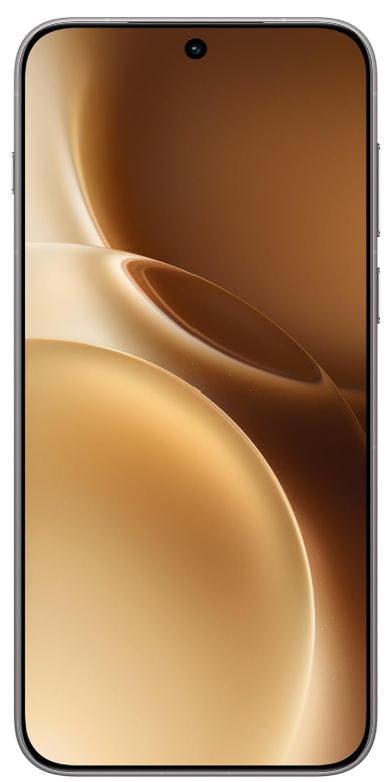
Experience the HP0: vivo X300 Ultra
The vivo X300 Ultra integrates the 200 MP ISOCELL HP0 sensor into a stabilized 85 mm telephoto system with 60 fps AF tracking and advanced video modes. This flagship device represents the most ambitious camera system implementation discussed in this comparison.