Budget phones with Raw mode in Camera in 2025

0
Budget Phones with RAW Power - LensXP.com

LensXP.com

Budget Phones RAW Power

Your 2025 Guide to Pro Photography Under $500 / ₹40,000

Dark Mode

What is RAW & Why Does It Matter?

RAW files capture unprocessed data directly from the camera sensor, giving you total creative control. JPEGs make permanent decisions for you.

Unprocessed Data

Keep all the original sensor information for maximum editing flexibility.

Total Control

You decide the white balance, exposure, colors, and sharpening in post-production.

Superior Quality

Recover lost details in shadows and highlights that JPEGs discard.


The Contenders of Mid-2025

These budget-friendly phones pack a serious punch for RAW photographers, offering features once reserved for flagships.

Google Pixel 9a

~$500

STRENGTH: COMPUTATIONAL KING

Uses HDR+ to merge up to 9 frames into one ultra-clean, color-accurate DNG file. Unmatched for point-and-shoot RAW.

Sensor: 64MP 1/1.7", OIS

RAW via: Stock Camera App

Redmi Note 15 Pro

~$350

STRENGTH: RESOLUTION GIANT

A massive 200MP sensor provides huge 25MP DNGs with incredible detail and cropping potential. Ideal for landscapes.

Sensor: 200MP 1/1.4", OIS

RAW via: Pro Mode

OnePlus Nord CE 5

~₹30,000

STRENGTH: RAW HDR VALUE

Brings flagship multi-frame "RAW HDR" processing to the budget segment for the first time, paired with a capable Sony sensor.

Sensor: 50MP Sony LYT-600, OIS

RAW via: Stock Camera App


Pro Tips for Better RAWs

Get the most out of your phone's sensor with these simple techniques.

Expose for Highlights

Use Base ISO

Lock White Balance

Use Burst Mode

Edit in 16-Bit


What's Next?

The future is bright for budget photography. Watch for these trends in late 2025 and beyond.

Bigger & Better Hardware

Expect sub-$400 phones with massive 1-inch type sensors and advanced 14-bit RAW pipelines for even more dynamic range and color depth.

On The Horizon

  • Galaxy A36: Rumored to get a version of Expert RAW.
  • Pixel 10a: Could bring Ultra HDR + RAW to the A-series.

© 2025 LensXP.com. All rights reserved.

Sony LYTIA Image Sensor Pipeline: LYT 900 828 808 700 600 500

Sony LYTIA Sensor Market: An Interactive Infographic

THE LYTIA ECOSYSTEM

An interactive exploration of how Sony's LYTIA brand is strategically reshaping the mobile imaging market, from flagship sensors to the core technologies driving the next generation of smartphone photography.

Powered by LensXP.com

MARKET SHARE GOAL (FY2025)

60%

Sony's ambitious target for CMOS image sensor dominance.

PEAK DYNAMIC RANGE

100+dB

Achieved by the LYT-828 with Hybrid Frame-HDR technology.

FLAGSHIP SENSOR FORMAT

1-INCH

The LYT-900's optical format, maximizing light capture for superior quality.

Sensor Tiers & Specialization

LYTIA's tiered strategy ensures market-wide influence, from ultra-premium flagships to high-volume mid-range devices. The key differentiators are sensor size, pixel technology, and advanced features.

Flagship & Premium Tier (LYT-900 & 800 Series)

This tier is defined by maximum performance. The LYT-900, an evolution of the IMX989, leads with its 1-inch sensor. The LYT-800 series introduces groundbreaking tech like the 2-Layer Transistor Pixel (LYT-T808) and Hybrid Frame-HDR (LYT-828), targeting high-end devices that need to balance performance and innovation.

Mid-Range & Compact Tier (LYT-700, 600, 500 Series)

This tier focuses on bringing high-end features to the mainstream. The LYT-700/600 series are workhorses, offering All-pixel AF and strong HDR capabilities. The LYT-500 series is specialized, introducing compact sensors for front cameras and unique "Always-on" sensing for IoT applications.

The Core Technology Pipeline

LYTIA's performance is not just hardware; it's a synergistic pipeline of innovations that turn light into a high-quality final image. This process is key to understanding Sony's competitive edge.

1

Light Capture

Photodiodes in a 2-Layer Pixel Structure capture more light.

2

Signal Conversion

UHCG creates a low-noise voltage signal.

3

HDR Processing

HF-HDR & DCG-HDR combine exposures for max dynamic range.

4

Focus & Output

All-pixel AF ensures sharpness before final image creation.

Mid-Range Market Adoption

The LYT-600 and LYT-700 series are the workhorses of the LYTIA lineup, achieving massive adoption in the competitive mid-range. This chart shows the adoption counts by major brands, highlighting their strategic importance.

Future Outlook & Challenges

⚔️

Competitive Pressure

The rise of competitors like SmartSens, and their potential adoption by key partners like Xiaomi, requires Sony to maintain its rapid innovation cycle to defend its market share.

🤖

AI & Software Synergy

Future success depends on deep integration with OEM software and AI engines (e.g., motoAI). Raw sensor performance is no longer enough; it's about the entire computational pipeline.

💡

The "Always-On" Frontier

The LYT-500's sensing technology signals a diversification beyond photography into IoT and ambient computing, creating new markets and revenue streams for Sony's sensor division.

This interactive infographic was generated based on the "Sony LYTIA Image Sensors in the Market" report. All data is sourced from this document.

LensXP.com

Best Third-Party Lenses for Canon RF Mount [2025 Guide]

0

LensXP.com | The Ultimate Guide to Third-Party Full-Frame Canon RF Lenses

The Canon RF Lens Puzzle

Since 2018, Canon's RF mount has offered incredible performance but created a "walled garden," locking out the vibrant third-party lens ecosystem photographers once loved. This is the complete story and your ultimate guide to navigating it.

The RF Mount Story: A Timeline of Turmoil & Hope

2018: The RF Mount is Born

Canon launches the EOS R and the new, proprietary RF mount, signaling a closed-ecosystem strategy and a departure from the open EF-mount era.

2020-2021: The AF Pioneers Arrive

Samyang/Rokinon and Viltrox release the first third-party autofocus lenses for RF, reverse-engineering the mount to wide user acclaim.

2022: The Crackdown

Canon takes legal action. Viltrox confirms they were told to "stop selling all RF mount products." The popular AF lenses are discontinued, creating a "forbidden" used market.

2022-2023: The Gray Market Emerges

Yongnuo and Meike step into the void, releasing unlicensed full-frame AF lenses, operating in a legal gray area with uncertain long-term compatibility.

2024: A Glimmer of Hope

In a landmark shift, Canon officially licenses Sigma and Tamron to produce RF lenses... but only for the APS-C (RF-S) format, protecting its profitable full-frame lineup.

2025 & Beyond: What's Next?

Industry rumors suggest the first licensed full-frame AF lenses could arrive within a year, though likely niche models that don't compete with Canon's "L" series trinity.

The Autofocus Conundrum

The most sought-after category is a minefield of discontinued legends and risky gray-market options. Here's the breakdown.

The "Forbidden" AF Legacy (Discontinued)

Praised for their value and performance, these lenses were forced off the market by Canon. They now command high prices on used markets.

  • Samyang/Rokinon AF 14mm f/2.8 RF: A unique ultra-wide for astro and landscape.
  • Samyang/Rokinon AF 85mm f/1.4 RF: A beloved portrait lens, hailed as a budget masterpiece.
  • Viltrox AF 85mm f/1.8 RF II: Another solid portrait option known for its build and image quality.

The Gray Market Adventurers (Current)

These lenses are available now but are unlicensed. Buy at your own risk: no warranty, and a future firmware update could break compatibility.

  • Yongnuo YN35mm F2R DF DSM: A compact and affordable standard wide-angle prime.
  • Yongnuo YN85mm F1.8R DF DSM II: A popular budget portrait lens, now in its second iteration.
  • Meike 85mm f/1.8 AF: A direct competitor to the Yongnuo 85mm, offering another choice for portrait photographers.

Visualizing the Market

Lens Availability by Manufacturer

Lenses by Focal Length Type

The Complete 3rd-Party RF Lens Database

Use the filters below to explore every third-party full-frame lens available for the RF mount. Click table headers to sort.

All AF MF
All Current Discontinued
Manufacturer Model Type Focus Aperture Status

The Horizon: A Licensed Future?

The 2024 licensing of APS-C lenses to Sigma and Tamron was a seismic shift. While it doesn't help full-frame users *yet*, it cracks open the door for the first time.

The APS-C Testbed

Canon's strategy appears clear: use third parties to bolster its less-developed RF-S (APS-C) system, making cameras like the R7 and R50 more attractive. This is a low-risk way to test the waters of collaboration without threatening its high-margin, full-frame "L" lenses.

What to Expect for Full-Frame

Don't expect a licensed 24-70mm f/2.8 from Sigma anytime soon. The first licensed full-frame lenses will likely be niche products that fill gaps in Canon's lineup, not compete with its cash cows. Think unique zooms (like a Tamron 35-150mm) or high-end primes (like a Sigma Art f/1.4) that offer a different value proposition than Canon's own f/1.8 and f/1.2 offerings.

Which Path is Right For You?

👑

The Native Loyalist

Buy only Canon RF lenses. Guarantees perfect performance and support, but comes at the highest cost.

🧩

The EF Adapter Strategist

Use the EF-to-RF adapter to unlock a massive, proven, and affordable world of third-party DSLR lenses.

🎨

The Manual Focus Artisan

Embrace the huge variety of creative and high-quality manual lenses. Best for landscape, macro, and video.

🎲

The Gray Market Adventurer

Hunt for discontinued gems or buy current unlicensed AF lenses. High risk, but the only way to get native third-party AF.

LensXP.com

© 2025 LensXP.com. All rights reserved. An independent guide for photographers.

LensXP.com is not affiliated with Canon Inc. or any lens manufacturers. All product names, logos, and brands are property of their respective owners.

Complete Third-Party Canon RF Mount Lens Guide

Complete Third-Party Canon RF Mount Lens Guide

The ultimate technical breakdown of ALL available third-party lenses for Canon's RF mount system. From autofocus zooms to specialty manual lenses, we cover optical design, performance metrics, and real-world applications.

📝 Important Disclaimers

  • Affiliate Links: This page contains Amazon affiliate links. We may earn a small commission from purchases made through these links at no additional cost to you.
  • Pricing: Prices are not displayed as they change frequently. Click through to Amazon for current pricing and availability.
  • Compatibility: Please verify lens compatibility with your specific camera model before purchase.
  • Reviews: Our assessments are based on technical specifications and available reviews. Individual experiences may vary.
  • Availability: Some lenses may have limited availability or may be discontinued. Check with retailers for current stock.

🔭 APS-C Autofocus Zoom Lenses

1Sigma 18–50mm f/2.8 DC DN Contemporary (RF-S)
MetricKey Details
Optical Formula13 elements/10 groups (1 SLD, 3 asphericals). Strong centre & mid-frame sharpness.
SharpnessCrisp at f/8. Some corner softness at f/2.8, but excellent in real-world use.
AutofocusFast and reliable stepping motor. Praised as "fantastic" in RF-S tests.
Size & BuildVery compact at ~300g. Uses Thermally Stable Composite for resilience.
WeaknessesNo optical image stabilization (IS). Relies on in-body IS (IBIS).
Best For: Cinematic portraits with extreme bokeh, low-light photography, and creating dreamy atmospheric images with shallow depth of field.
Cinematic portraits with extreme bokeh, low-light photography, and creating dreamy atmospheric images with shallow depth of field.
Manual Focus Portrait Full Frame Bokeh Cinematic
7Voigtländer Nokton 50mm f/1.0 Aspherical (RF)
MetricKey Details
Aperturef/1.0 maximum aperture with premium optical quality
Electronic ContactsEXIF data support - rare for manual RF lenses
Build QualityPremium all-metal construction, exceptional build quality
Optical DesignAspherical elements for superior sharpness and minimal distortion
Manual FocusPrecise manual focus with smooth, dampened focus ring
Best For: Premium manual portrait photography where you want electronic communication and EXIF data recording with exceptional optical quality.
Manual Focus Portrait Full Frame EXIF Support Premium

🌍 Full Frame Autofocus Lenses

8Samyang 14mm f/2.8 RF
MetricKey Details
Ultra-Wide14mm focal length ideal for landscapes and architecture
AutofocusFast and reliable autofocus system for full-frame RF
Aperturef/2.8 maximum aperture suitable for handheld shooting
BuildWeather-resistant construction for outdoor photography
Best For: Landscape photography, architectural work, and astrophotography where ultra-wide perspective is essential.
Autofocus Ultra-Wide Full Frame Landscape
9Samyang 85mm f/1.4 RF
MetricKey Details
Portrait Telephoto85mm - classic portrait focal length with compression
Fast Aperturef/1.4 for excellent subject isolation and low-light capability
AutofocusReliable AF system optimized for portrait photography
BokehSmooth background rendering ideal for portraits
Best For: Portrait photography with autofocus convenience. Great alternative to Canon's native 85mm at a more affordable price.
Autofocus Portrait Full Frame Telephoto

🌟 Specialty Manual Lenses

10Laowa 12mm f/2.8 Zero-D (RF)
MetricKey Details
Extreme Wide12mm ultra-wide with minimal distortion (Zero-D)
Distortion ControlAdvanced optical design minimizes barrel distortion
BuildCompact manual focus design, all-metal construction
Best For: Extreme wide-angle photography with minimal distortion for architecture and landscapes.
Manual Focus 12mm Ultra-Wide Full Frame
11Laowa 15mm f/4.5 Zero-D Shift (RF)
MetricKey Details
Shift Capability±11mm shift for perspective correction
Zero DistortionMinimal barrel distortion for architectural work
CoverageFull frame coverage even with maximum shift applied
Best For: Professional architectural photography requiring perspective correction and keystone elimination.
Manual Focus Shift Lens Full Frame Architecture

🔍 Interactive Lens Comparison

Compare any two lenses side-by-side to see which one better fits your needs:

FeatureLens 1Lens 2

🧭 Quick Recommendations

Want Autofocus?

Stick with RF-S options (Sigma 18-50mm, Sigma 30mm f/1.4, Tamron 17-70mm) or Samyang's full-frame RF lenses (14mm, 85mm).

Love Manual Control?

Try Laowa macro lenses, Zhongyi Speedmaster, or Voigtländer Nokton for creative control and unique character.

APS-C Camera Owner?

The Sigma 18-50mm and Tamron 17-70mm are excellent walkaround zooms, while the Sigma 30mm f/1.4 is perfect for low-light work.

Macro Photography?

Laowa offers the best third-party macro options: 85mm for 2:1 reproduction, 25mm for extreme magnification, 100mm for longer working distance.

Portrait Work?

Manual focus lovers: Zhongyi f/0.95 or Voigtländer f/1.0. Want autofocus? Samyang 85mm f/1.4 is your best bet.

Architecture & Landscapes?

Samyang 14mm f/2.8 for autofocus, Laowa 12mm for minimal distortion, or Laowa 15mm shift for perspective correction.

⚖️ Legal & Technical Disclaimers

Affiliate Disclosure

As an Amazon Associate, we earn from qualifying purchases. This helps support our content creation at no extra cost to you.

Technical Accuracy

Specifications are based on manufacturer data and may vary. Always verify compatibility and features before purchase.

Independent Reviews

Our assessments are independent and based on technical analysis. We are not affiliated with lens manufacturers.

Use at Your Own Risk

Photography equipment choices depend on individual needs. We recommend researching thoroughly before making purchases.

Last updated: December 2024 | Information subject to change without notice

Lightweight travel and vlogging setups, especially when paired with IBIS-equipped bodies like the Canon R7. Its small size is its biggest advantage.
Autofocus APS-C Zoom Travel Compact

📷 Standard Prime Lenses

2Sigma 30mm f/1.4 DC DN Contemporary (RF-S)
MetricKey Details
Focal Length30mm (equivalent to ~48mm on APS-C) - ideal standard prime
Aperturef/1.4 maximum aperture for excellent low-light performance
AutofocusFast and quiet stepping motor, great for both stills and video
Build QualityContemporary series build with metal mount, compact design
Image QualitySharp across the frame with beautiful bokeh rendering
Best For: Street photography, portraits, and social media content. The fast f/1.4 aperture makes it perfect for low-light situations and creating shallow depth of field.
Autofocus APS-C Prime Low Light Street

🔬 Macro Lenses

3Laowa 85mm f/5.6 2× Ultra Macro APO (RF)
MetricKey Details
MagnificationTrue 2:1 native macro with a 96mm working distance.
Size & WeightExtremely compact and lightweight at just 252g.
Build & FocusFully manual focus with internal focusing mechanism to prevent dust intake.
Image QualityVery sharp even at 2:1 magnification with minimal chromatic aberration.
ConsiderationsManual focus only, no electronic communication (no EXIF data, manual stop-down).
Best For: Compact, high-magnification macro photography. A perfect choice for bloggers focusing on product details, nature, or any extreme close-up work.
Manual Focus 2× Macro Full Frame Compact Product Photography
4Laowa 25mm f/2.8 2.5-5× Ultra Macro (RF)
MetricKey Details
Magnification Range2.5× to 5× life-size magnification - extreme close-up capability
Focal Length25mm ultra-wide perspective combined with macro capabilities
Working DistanceVery short working distance due to extreme magnification
BuildManual focus only, all-metal construction, compact design
Special FeaturesUnique combination of ultra-wide and extreme macro in one lens
Best For: Specialized extreme macro photography where you need magnifications beyond 2:1. Perfect for scientific documentation and artistic macro work.
Manual Focus 5× Macro Ultra-Wide Full Frame Scientific
5Laowa 100mm f/2.8 2× Ultra Macro APO (RF)
MetricKey Details
Magnification2:1 life-size reproduction with longer working distance than 85mm
Working DistanceLonger working distance ideal for skittish subjects
Aperturef/2.8 maximum aperture - brighter than the 85mm f/5.6
APO DesignApochromatic design minimizes chromatic aberration
Build QualityAll-metal construction, smooth manual focus ring
Best For: 2:1 macro work where you need more working distance. Great for insects, small products, and detailed nature photography where subject distance matters.
Manual Focus 2× Macro Full Frame Telephoto Nature

🎭 Portrait & Cinematic Lenses

6Zhongyi (Mitakon) Speedmaster 50mm f/0.95 (RF)
MetricKey Details
ApertureUltra-fast f/0.95 maximum aperture - extreme shallow depth of field
Focal Length50mm - classic portrait and street photography focal length
Bokeh QualityDreamy, creamy bokeh with smooth out-of-focus rendering
BuildAll-metal construction, manual focus and aperture control
Low LightExceptional performance in extremely low light conditions
Best For:

IMX882 vs LYT600 vs IMX890 – Specifications Comparison

In this post, we find out and compare the IMX882 vs LYT600 vs IMX890 which are modern smartphone sensors build by Sony.

Ever wondered why some phone cameras outperform others, even with similar megapixel counts? The answer lies in the heart of the camera – the image sensor. Recently, the OnePlus community has been buzzing about the differences between the IMX 882, LYT 600, and IMX 890 sensors. Let’s break it down in simple terms:

Also Read: Comparing LYT-T808 vs LYT-900 vs IMX890

IMX890 vs IMX882 vs LYT600 – In-Depth Sensor Analysis | LensXP.com

Sony Sensor Showdown

IMX890 vs. IMX882 vs. LYT600: A Deep Dive into the 50MP Sensors Powering Your Phone's Camera.

By Alex Doe | Updated August 25, 2025

The Strategic Shift: From IMX to LYTIA

In the world of smartphone photography, Sony is the undisputed king of camera sensors. Their "IMX" and newer "LYTIA" series are found in everything from budget phones to ultra-premium flagships. Today, we're dissecting three of the most talked-about 50-megapixel sensors: the high-end IMX890 and the mainstream duo, the IMX882 and its rebranded twin, the LYT600.

The move from IMX to LYTIA isn't just a name change; it's a strategic rebranding to simplify Sony's product line and signal a new era focused on "creative imaging experiences." This means the LYT600 is functionally identical to the IMX882, but marketed as the newer option for mid-range phones. While they all share the same resolution, their performance is not the same. The differences come down to fundamental physics—sensor size, pixel size, and the technology packed around them.

Key Takeaways

  • IMX890 is Physically Superior: Its larger sensor and bigger pixels give it a significant advantage in light gathering and overall image quality potential.
  • IMX882 and LYT600 are Identical Twins: The LYT600 is a rebrand of the IMX882. They share the same hardware and performance.
  • The System Matters Most: A sensor only defines potential. The final image quality depends on the phone's lens and image processing software (ISP).

Specifications at a Glance

Specification IMX882 / LYT600 IMX890 (Superior)
Optical Format (Size) 1/1.95" 1/1.56"
Native Pixel Size 0.8 µm 1.0 µm
Binned Pixel Size (4-in-1) 1.6 µm 2.0 µm
Resolution 50 MP 50.3 MP
Sensor Architecture Stacked, Back-illuminated CMOS
Autofocus System All-pixel AF PDAF with 2x2 OCL
HDR Technology LBMF HDR DOL-HDR
Video Capabilities 4K @ 30fps 4K @ 60fps, 1080p @ 240fps
Target Market Mid-Range Upper Mid-Range / Flagship

The Tech Inside: Stacked, Back-Illuminated CMOS

All three sensors are built on Sony's modern architecture, which combines two key innovations for superior performance. Understanding this technology is key to appreciating why modern phone cameras are so capable.

1. Back-Illuminated Structure (BSI)

In older sensors, the metal wiring blocked some of the light. BSI flips the design, placing the wiring behind the light-sensitive photodiodes. This creates an unobstructed path for light, dramatically increasing light-capturing efficiency and sensitivity.

2. Stacked Design

This design separates the pixel layer from the signal processing circuit layer onto different silicon wafers. This allows both layers to be optimized independently, leading to faster readout speeds, more complex on-chip processing, and better overall performance.

Sensor Architecture Diagram A diagram comparing a conventional front-illuminated sensor with a modern stacked, back-illuminated sensor. Conventional (Front-Illuminated) Microlens Color Filter Wiring Layer (Metal) Photodiode (Silicon) OBSTRUCTION Stacked BSI Microlens Color Filter Photodiode (Silicon) Wiring Layer Circuit Layer DIRECT PATH
A simplified diagram illustrating how a stacked, back-illuminated design allows more light to reach the photodiodes compared to older technologies.

Decoding the Features

Autofocus Battle

All-pixel AF (LYT600): Uses every pixel for phase detection, promising fast and accurate focus across the entire frame, even on moving subjects.

2x2 OCL (IMX890): Groups pixels under a single lens to detect focus in both horizontal and vertical directions, providing robust and reliable performance.

HDR Technology Explained

LBMF HDR (LYT600): A modern technique that combines multiple exposures to create a single image with a wider dynamic range.

DOL-HDR (IMX890): A more advanced method that reads out multiple exposures almost simultaneously, minimizing motion blur and ghosting in HDR photos of moving subjects.

Real-World Case Studies

Mid-range phone

The Mid-Range Champion

Sensor: IMX882 / LYT600

Phones like the Realme 12+ and Poco F6 use this sensor to deliver impressive daylight photos for their price. While low-light performance can be a limitation, excellent software tuning can produce vibrant, social-media-ready images.

Flagship phone

The Flagship Contender

Sensor: IMX890

Devices like the OnePlus 11 and Realme 12 Pro+ leverage the IMX890's superior hardware. Paired with powerful processors and refined software (like Hasselblad tuning), they deliver excellent color accuracy, superb detail, and strong low-light results.

The Future Outlook: Beyond 2025

The mobile imaging landscape is evolving at a breakneck pace. While the sensors discussed here are current, the next generation will push boundaries even further. Key trends to watch include:

  • The Push for 1-Inch Sensors: Flagship devices are increasingly adopting massive 1-inch type sensors (like Sony's IMX989 and LYT-900), which offer near-DSLR levels of quality.
  • Variable Aperture: Technology that allows the lens to physically change its aperture size is making a comeback, offering more creative control over depth of field and better low-light performance.
  • AI-Powered ISPs: The role of the Image Signal Processor is becoming more critical than ever. Future SoCs will feature even more powerful AI and machine learning cores dedicated to real-time image analysis, semantic segmentation, and advanced computational photography tricks that can further enhance the output of any given sensor.

Performance Metrics Visualized

Light Gathering Potential (Pixel Area)

Overall Sensor Size (Diagonal)

The Trinity of Imaging: A System Approach

Remember that a sensor is only one part of the equation. The final photo you see is a result of the entire imaging system, a concept we call the "Trinity of Imaging":

1. The Sensor

Sets the ceiling for image quality potential by capturing raw light data.

2. The Lens (Optics)

Poor optics can ruin the potential of a great sensor by delivering a soft or distorted image.

3. The ISP (Processor)

The "brain" that processes raw data, handling color, noise reduction, and computational tricks.

The Final Verdict: A Clear Hierarchy

The comparative analysis reveals a clear hierarchy defined by physics and market strategy. The Sony IMX890 is unequivocally the superior sensor. Its larger physical size provides an insurmountable advantage in light-gathering, which is the most fundamental determinant of image quality. This is why it's reserved for higher-tier devices where camera performance is a primary selling point.

The IMX882 and LYT600 are highly competent solutions for the mid-range market. They provide a solid foundation for great daylight photography, making high-quality imaging accessible to more people. The rebranding to LYT600 is a strategic move by Sony to align this popular sensor with its forward-looking brand identity.

Final Guidance for Buyers

When looking at a phone's spec sheet, use the sensor model as an indicator of the manufacturer's ambition:

  • IMX890 (or LYT700 series): Signals a strong commitment to camera quality. Expect a high potential for excellent photos, but verify with device-specific reviews.
  • IMX882 / LYT600: Indicates a capable and modern main camera for a mid-range device. Expect a solid all-around imaging experience, especially in good lighting.

Ultimately, the sensor model is the starting point. The final verdict on any phone's camera must come from comprehensive reviews that assess how well the manufacturer has realized the sensor's potential through its optics and software.

LensXP.com

Your daily source for tech news, reviews, and in-depth comparisons.

© 2025 LensXP.com. All Rights Reserved.

Sensor Showdown: Size Matters (Mostly)

The discussions reveal that the IMX 882 and LYT 600 seem like twins on paper, boasting 50 megapixels on a similar sized (1/1.95″) plate with equally tiny pixels (0.8 microns). This suggests they capture a similar amount of detail.

The bigger brother, the IMX 890, steps in with a larger sensor (1/1.56″). Imagine a bigger light bucket – it can collect more light, especially in low-light situations, potentially leading to sharper, clearer photos. This is why some users are concerned about a downgrade from the IMX 890 to the LYT 600 in newer OnePlus models.

Hold on, There’s More to the Story

Unfortunately, we still do not have the nitty-gritty details to definitively compare these sensors. To truly understand the differences, we’d need technical specifications (think sensor datasheets) or controlled tests that compare low-light performance, noise levels, and other crucial factors.

Democratization of Photography: High-Quality on a Budget

The good news? high-quality sensors like the IMX 890 are finding their way into more affordable phones, like the Realme Narzo 70 Pro. This means great pictures without breaking the bank!

The Neverending Quest for the Best

The discussion doesn’t end there. One user even asks about the IMX 682 sensor, showcasing the ongoing quest within the community to understand and compare camera sensor performance across different devices.

The Takeaway: Beyond Megapixels

While megapixels play a role, the OnePlus community discussion sheds light on what smartphone users truly care about: real-world camera performance. Sensor size, software processing, and access to high-quality sensors in budget phones are all important factors to consider when choosing your next smartphone for capturing those special moments.

For the Tech-Savvy:

If you crave deeper dives, look for manufacturer datasheets or reviews from trusted tech sites that perform controlled sensor comparisons. These resources will provide the technical details you need to make an informed decision.

Specification IMX 882

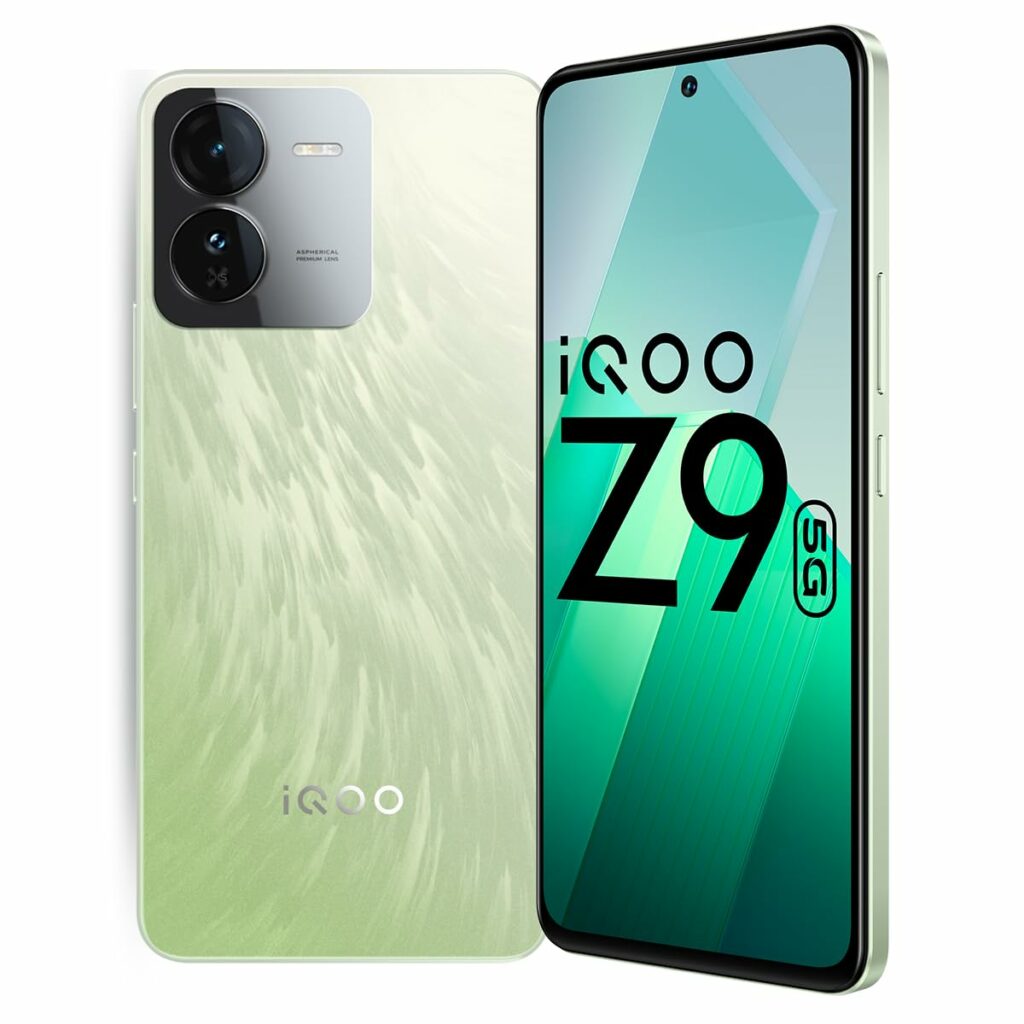
(iQOO Z9 5G)

Check on Amazon India

LYT 600

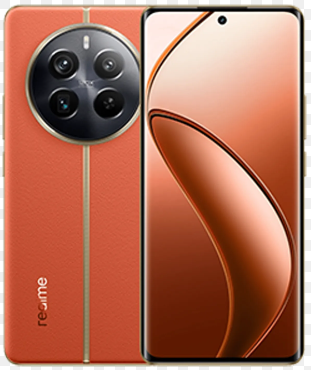
Realme12+Check on Flipkart

IMX 890

(Realme Narzo 70 Pro 5G)

Check on Amazon India

Resolution 50 megapixels 50 megapixels Not specified
Image Size 1/1.95″ 1/1.95″ 1/1.56″
Pixel Size 0.8 µm 0.8 µm Not specified
Diagonal 8.2 mm 8.2 mm Not specified
Sensor Type Not specified CMOS (assumed from context) Not specified
Interface MIPI C-PHY

D-PHY

MIPI C-PHY

D-PHY

MIPI C-PHY (up to 3.5Gsps), D-PHY (up to 2.5Gbps)
Chroma RGB RGB RGB
Technology Back-Illuminated RAW10, RAW8 Back-Illuminated RAW10, RAW8 Quad Bayer Coding, PDAF, high SNR, OIS, multiple frame rates
Additional Features Optical Image Stabilization (OIS), 4K video, and more Optical Image Stabilization (OIS), 4K video, and more Superior in lower light conditions

Lens Shading Correction, Dynamic Defect Pixel Correction, built-in temperature sensor

Conclusion

The discussion around smartphone camera sensors goes beyond just megapixels. While the OnePlus community debate highlights the similarities between the IMX 882 and LYT 600 sensors, the larger sensor size of the IMX 890 suggests it might perform better in low-light conditions. Software processing also plays a significant role, with GCam mentioned as a potential way to improve image quality.

For a clearer picture (pun intended!), users need to look for technical specifications or controlled tests that compare these sensors in detail. The good news is that high-quality sensors are becoming more affordable, allowing for great smartphone photography on a budget.

Ultimately, the choice depends on what matters most to you: megapixels might be a headline grabber, but sensor size, software capabilities, and overall camera performance are all key factors to consider when capturing those special moments.

Comparing LYT-T808 vs LYT-900 vs IMX890 – Specs Comparison

0

As the realm of robotics, autonomous vehicles, and immersive technologies rapidly evolves, accurate depth perception becomes crucial.

LiDAR (Light Detection and Ranging) sensors play a pivotal role in this pursuit, emitting pulsed light and measuring its reflection time to create detailed 3D representations of their surroundings.

This blog post delves into the technical intricacies of three prominent Sony LiDAR offerings: the LYT-T808, LYT-900, and IMX890, offering a comparative analysis through a scientific lens.

Comparing LYT-T808 vs LYT-900 vs IMX890 – Sony Sensors

Feature LYT-T808

Oneplus 12

Check on Amazon India

LYT-900

Oppo Find X7

IMX890

Oneplus 12r

Check on Amazon India

Type Flash LiDAR Time-of-Flight LiDAR Time-of-Flight LiDAR
Range 0.3 – 80m 0.3 – 120m 0.3 – 150m
Resolution 50mp 50mp 50mp
Field of View (Horizontal) 75° 90° 60°
Field of View (Vertical) 32° 60° 45°
Frame Rate Up to 120 FPS Up to 120 FPS Up to 280 FPS
Power Consumption 5W 3.5W 4.5W
Interface CSI-2 CSI-2 CSI-2
Package Size 15.7 x 15.7 x 8.4 mm 13.2 x 13.2 x 4.2 mm 5.7 x 5.7 x 2.8 mm
Key Features High accuracy, low power consumption Long range, wide FOV High resolution, high frame rate
Applications Robotics, drones, autonomous vehicles Autonomous vehicles, mapping, ADAS AR/VR, high-speed object detection

Dissecting the Technological Core:

All three sensors employ the Time-of-Flight (ToF) principle, where the time difference between emitted and reflected light determines the distance to an object. However, they diverge in their implementation details:

  • LYT-T808: Utilizes a flash LiDAR approach, emitting short, high-intensity light pulses for extended range (0.3 – 80m) and offering high accuracy. This comes at the expense of slightly higher power consumption (5W).
  • LYT-900: Leverages a continuous-wave modulation technique, enabling lower power consumption (3.5W) while maintaining extended range (0.3 – 120m) and boasting a wider horizontal field of view (90°).
  • IMX890: Just like the others in the Pack, it comes with an impressive 50mp resolution and achieves a blistering 280 FPS frame rate, ideal for capturing high-speed dynamic environments. However, its range (0.3 – 150m) and horizontal field of view (60°) are more moderate.

Resolution & Field of View: Balancing Granularity and Coverage:

Resolution directly impacts the level of detail captured, crucial for applications like object recognition and manipulation. The IMX890 reigns supreme with its high resolution, while the LYT-T808 prioritizes accuracy over granularity. Field of view plays a vital role in environmental awareness – the LYT-900 excels in this regard, while the IMX890 focuses on a narrower, high-fidelity region.

Beyond the Basics:

This analysis wouldn’t be complete without considering additional critical factors:

  • Power Consumption: The LYT-900 offers the most power-efficient option, while the LYT-T808 demands slightly more power. The IMX890 sits in the middle, needing careful consideration in battery-powered applications.
  • Package Size: Miniaturization is key for integration into compact devices. The IMX890 boasts the smallest footprint, while the LYT-T808 offers a good balance between size and performance.
  • Applications: Each sensor shines in specific use cases. The LYT-T808 excels in robotics and drones, the LYT-900 shines in autonomous vehicles and mapping, and the IMX890 caters to AR/VR and high-speed object detection. We will definitely see these on smartphones as well.

Choosing the Right Tool for the Job:

The optimal sensor selection hinges on your specific application’s requirements. Consider the trade-offs between range, resolution, field of view, power consumption, size, and cost.

Understanding the underlying technical principles empowers you to make informed decisions, propelling your project towards success in the ever-evolving realm of depth perception.

List of Mirrorless Cameras with best Dynamic Range – with APS-C

In this post, we have curated a list of Mirrorless Cameras with best Dynamic Range.

High Dynamic Range (HDR) indicates the difference between the darkest and brightest values your camera can capture. Usually, it is measured in “stops” of light or Exposure Values (EVs). Every stop is a double or half of the light level. One stop represents the amount of light that is needed to double the exposure. For example, a camera with a dynamic range of 15 stops can capture 15 times more light than one with a dynamic range of 10 stops.

Also Read: Cameras with built-in HDR Mode

Generally, full-frame cameras boast a better dynamic range than APS-C cameras. The reason is that full-frame sensors are bigger, allowing them to capture more light. Certain APS-C cameras, too, present a decent dynamic range.

Let’s get into the details of the mirrorless cameras with the best dynamic range:

Image Product Name Buy Now
Sony a7R V: (15+ stops) Check on Amazon
Canon EOS R5: (14 stops) Check on Amazon

Check on Newegg

Nikon Z7 II: (14.5 stops) Check on Amazon
Nikon D850: Check on Amazon
Fujifilm X-H2S (14 stops): Check on Amazon
Sony A7 IV (15 stops) Check on Amazon
Sony Alpha a7R IV: (15 stops) Check on Amazon
Sony Alpha a7R III: (15 stops) Check on Amazon
Canon EOS M50 Mark II: Check on Amazon

Check on Newegg

Sony Alpha 7C: (15 stops) Check on Amazon
Sony α6700: (14+ stops) Check on Amazon
Sony α7S II E-mount Camera: (14 stops) Check on Amazon
Nikon Z7: Check on Amazon
Fujifilm GFX 100: Check on Amazon
Sony ZV-E1 full-frame vlog camera: (15 stops) Check on Amazon
Sony ILME-FX30: (14 stops) Check on Amazon
Panasonic Lumix S1R: (15 stops) Check on Amazon
Hasselblad X1D II 50c: (14 stops) Check on Amazon

18. Hasselblad X1D II 50c: (14 stops)

Check on Amazon

This camera’s upgraded electronic platform contains enhanced EVF and a huge 3.6-inch touch display. They provide a quick user interface control and a fast live view refresh rate. The creative possibilities are infinite, with a wide range of high-quality optics to shoot with (including HC/HCD, XCD, XPan, and V System lenses).

The huge 50 MP medium format CMOS sensor is individually calibrated for optimal performance. It presents a huge dynamic range (14 stops) and an excellent color depth. Hasselblad Natural Color Solution technology implements the camera system, delivering excellent true-to-life tones resembling the human eye.

Form factor Mirrorless
Photo Sensor Size Full Frame (35mm)
Photo Sensor Technology CMOS
Auto Focus Technology Contrast Detection
Maximum Focal Length 45 Millimeters
Compatible Mountings Micro Four Thirds
Connectivity Technology Wi-Fi, USB
Wireless Communication Technology Wi-Fi
Flash Memory Type SD Card
Hardware Interface USB, USB Type C
Expanded ISO Maximum 51200
Screen Size 3.6 inches
Dimensions and weight 9.3 x 8.9 x 5.2 inches; 8.75 pounds
Included accessories Battery Charger, Shoulder Strap, Battery, SD Card

17. Panasonic Lumix S1R: (15 stops)

Check on Amazon

S1R uses the latest L-Mount standard, presenting a balanced, big inner diameter and compact dimensions for a flange focus. Hence, you will realize optimum performance and size as a digital mirrorless camera system. The camera is well-known for offering excellent video recording performance (4K 60p/50p), a rugged design, durability, intuitive control, and expandability.

The built-in 47.3MP CMOS sensor presents perfect focus, realistic detail, and image stabilization systems for excellent clarity and more. You can shoot vertically at high and low angles with a 3.2-inch tilt rear monitor with an RGBW LCD. Moreover, white (W) pixels maximize brightness for excellent visibility, even in sunlight.

The intuitive body design groups together frequently used shooting controls within the thumb’s reach. The high-speed processing Venus Engine and Body I.S. (Image Stabilizer) automatically capture eight successive images. Hence, they provide 187 MP equivalent RAW files.

A fast, precise AF system based on advanced lens control technology, the sensor, and the latest Venus Engine lets the user capture the accurate moment in the finest detail. The optimized sensor tuning has high sensitivity. It ensures accurate autofocus in starlight and low-contrast scenes. With 9 AF modes, the camera obtains excellent full-frame focus even in dim light situations.

Specifications:

Form factor Mirrorless
Photo Sensor Size Full Frame (35mm)
Photo Sensor Technology CMOS
Effective Still Resolution 47.3 MP
Auto Focus Technology Contrast Detection
White balance settings Auto
JPEG quality level Basic, Fine, Normal
Flash Modes Description Flash Override, Red-Eye Reduction, Slow Shutter, Automatic
Video Capture Format 4k
Video Capture Resolution 4K UHD 2160p
Lens Type interchangeable
Compatible Mountings L Mount
Focus Type Auto Focus
Maximum Focal Length 35 Millimeters
Expanded ISO Maximum 25600
Min Shutter Speed 1/8000 seconds
Exposure Control Type aperture-priority
Metering Description Evaluative
Battery 1x Li-ion (included)
Connectivity Technology Bluetooth, HDMI
Continuous Shooting Speed 9
Wireless Communication Technology BuiltIn; 802.11ac + Bluetooth
Special Feature Wireless
Water Resistance Level Water Resistant
Hardware Interface AV Port
Viewfinder Type Electronic
Display 3.2-inch OLED
Touchscreen type Capacitive
Processor Description venus engine
Dimensions and weight 8 x 8 x 6 inches; 1 pound

Pros:

  • Splash/Dust/ Freeze-Resistant Design
  • Durable shutter unit
  • Finely detailed and realistic images

Cons:

  • Unreliable continuous focus when recording sporting events with fast action

16. Sony ILME-FX30: (14 stops)

Check on Amazon

With the latest 26 MP APS-C Exmore R CMOS sensor, the Sony FX30 benefits aspiring filmmakers and everyday content creators with a powerful and accessible cinema camera. The mentioned sensor and BIONZ XR processor let the camera generate superior quality 4K images with the Super 35 mm (16:9) area.

The dual-base ISO architecture improves low-light performance. Full pixel readout from the 6K sensor generates superior quality UHD 4K video @ up to 60 fps. The camera allows high-speed shooting in 4K @ up to 120 fps with a 1.6x crop and in Full HD @ up to 240 fps. The HDMI output allows 16-bit raw video to choose distinctly available recorders.

Specifications:

Photo Sensor Technology APS-C
Auto Focus Technology Phase Detection
Camera Flash Studio
Video Capture Format 4k
Video Capture Resolution 2160p
Video Standard XAVC S, XAVC
Lens Type Zoom
Compatible Mountings Sony E
Maximum Focal Length 20 Millimeters
Minimum Focal Length 10 Millimeters
Connectivity Technology HDMI
Continuous Shooting Speed 120 fps
Wireless Communication Technology Wi-Fi
Flash Memory Type SDXC
Special Feature Low Light
Item weight 7.8 pounds
Included accessories 1 x Sony E 10-20mm f/4 PZ G Lens , 1 x Sony 64GB SF-G Tough Series UHS-II SDXC Memory Card, 1 x 3 Piece Filter Kit, 1 x Wide Angle Lens, 1 x Telephoto Lens, 1 x Tulip Lens Hood, 1 x Soft Bag, 1 x NP-FZ100 Battery, 1 x NP-FZ100 charger, 1 x Corel Photo Software With PhotoMirage, AfterShot, Painter Essentials, PaintShop Pro, and Video Studio, 1 x 12 inch Flexible Tripod, 1 x Hand Strap, 1 x Memory Card Wallet, 1 x Lens Cap Keeper, 1 x Cleaning Kit, 1 x HDMI Cable

15. Sony ZV-E1 full-frame vlog camera: (15 stops)

Check on Amazon

Sony ZV-E1 is the world’s lightest, smallest full-frame interchangeable lens vlog camera. Its key components are a BIONZ X image processing engine and a huge full-frame image sensor. They generate superior-quality imagery with elegant natural bokeh and high sensitivity.

The E-mount interchangeable lens system provides a huge selection to match your style. The advanced audio options, flip-out vari-angle LCD, and features specifically for vlogging make this an ideal camera for content creators.

AI-based Framing Stabilizer retains a continuous subject position within the frame. The multiple Face Recognition feature automatically optimizes the depth of field for groups or selfies. Dynamic active Mode and 5-axis in-body image stabilization guarantees stable recording. Flexible ISO Log shooting mode provides decent exposure setting freedom.

Real-time recognition and a dedicated AI processor lead to precise subject tracking. The camera body is moisture and dust-resistant for use in challenging situations. The breathing Compensation function suppresses image shifts when focusing.

Specifications:

Form factor Mirrorless
Photo Sensor Size Full Frame (35mm)
Photo Sensor Technology CMOS
Effective Still Resolution 12.9 MP
Maximum Webcam Image Resolution 12.9 MP
Auto Focus Technology Phase Detection
Image Stabilization Digital
Video Capture Format 4K
Video Capture Resolution 2160p, 1080p
Video Standard AVCHD
Optical Zoom 2x
Compatible Mountings Sony E
Focus Type Manual Focus, Auto Focus
Expanded ISO Maximum 409600
Expanded ISO Minimum 80
Max Shutter Speed 1/8000 seconds
Min Shutter Speed 30 seconds
Display 3-inch LCD
Display Fixture Type Articulating
Dots per screen area 1,036,800 Dot
Compatible Devices Smartphone
Lens compatibility All Sony E-mount lenses
Connectivity Technology Bluetooth, Wi-Fi
Flash Memory Type SD Card
Dimensions 2.1 x 4.8 x 2.8 inches
Included accessories Camera Body + Deco Gear Photography Accessories Bundle

Pros:

  • Precise subject tracking
  • Ensures stable recording.
  • High-quality live streaming
  • Easy, stable smartphone connectivity
  • Quick access to frequently used menu items

Cons:

  • Average zoom capability

14. Fujifilm GFX 100:

Check on Amazon

In this camera, the combination of a blazing-fast X-processor 4 processing engine and the latest back-illuminated 102 MP imaging sensor can output 16-bit images. The output shows rich shadow detail, excellent color fidelity, and wide dynamic range. The mentioned processor immediately optimizes the data from the high-resolution, fast image sensor.

It is the first Fujifilm camera with a vertical grip integrated design. Moreover, it is the first large format system to support in-body stabilization. It lets filmmakers expand the limits of wide format 4K/30P motion capture.

Being weather-sealed at 95 points, the camera can withstand severe conditions of moisture, dust, and low temperatures.

G Mount has a small flange focal distance that leads to the camera’s compact form. When this mount is combined with a large CMOS sensor, the camera system avoids peripheral light fall-off. So, it presents spectacular edge-to-edge sharpness.

Specifications:

Form factor Medium Format
Photo sensor size Medium Format (>35mm)
Photo Sensor Technology CMOS
Effective Still Resolution 100 MP
Maximum Webcam Image Resolution 102 MP
Display Resolution Maximum 2360000 Dots
Auto Focus Technology Contrast Detection
Aspect Ratio 7:6, 16:9, 1:1, 3:2, 65:24, 4:3, 5:4
White balance settings Auto, Incandescent, Color Temperature, Underwater, Fluorescent, Custom, Shade
Self Timer Duration 2 seconds, 10 seconds
Camera Flash Hotshoe
Image Stabilization Sensor-shift
Flash Modes Description First-Curtain Sync, Hi-Speed Sync, Manual, Second-Curtain Sync, Slow Sync, TTL Auto
Flash Sync Speed 1/125 Second (Focal Plane Shutter)
Supported Image Format JPEG, Raw, TIFF
Video Capture Format 4k
Video Capture Resolution 4K DCI 2160p
Video Input Format NTSC/PAL
Video Standard MPEG 4
Color Depth 16 Bits
Lens Type Wide Angle
Optical Zoom 1 x
Camera Lens Description Built-in 5-axis sensor-shift image stabilization
Compatible Mountings Fujifilm G
Focus Type Continuous-Servo AF, Manual Focus, Single-Servo AF
Maximum Focal Length 55 Millimeters
Minimum Focal Length 9 Millimeters
Expanded ISO Minimum 100
Exposure Control Type Manual
Metering Description Average, Center-Weighted Average, Multiple, Spot
Shooting Modes Bulb Mode, Aperture Priority, Manual, Program, Shutter Priority
Viewfinder Magnification 0.86x
Viewfinder Type Electronic
Display 3.2-inch LCD
Display Fixture Type Tilting
Battery 2x NP-T125 Rechargeable Lithium-Ion, 1230 mAh (approx. 800 shots)
Continuous Shooting Speed 8 fps
Controller Type Remote Controller
Wireless Communication Technology Bluetooth, Wi-Fi
Flash Memory Type Dual Slot: SD/SDHC/SDXC (UHS-II)
Memory Slots Available 2
Special Feature Interval Recording
Digital Recording Time Up to 60 Minutes for DCI 4K (4096 x 2160) @ 23.98p/24.00p/25p/29.97p, Up to 80 Minutes for DCI 2K (2048 x 1080) @ 23.98p/24.00p/25p/29.97p/50p/59.94p
Dimensions and weight 10 x 8 x 8 inches; 1.4 kg

Pros:

  • Lightweight yet robust body
  • Handles various shooting conditions.
  • Efficient and cutting-edge processing engine

Cons:

  • Not-so-efficient eye-tracking

13. Nikon Z7:

Check on Amazon

Z7 is Nikon’s first FX-format mirrorless camera with a 45.7 effective resolution. It makes the most of the NIKKOR Z lenses and large Z mount’s (55 mm) optical performance.

493-point hybrid AF system achieves excellent focusing accuracy. The latest EXPEED 6 image-processing engine captures abundant light to provide sharper images and faster performance and shows a selection of new lens designs.

The improved light capture lets you shoot at sensitivities as low as ISO 64 (upgradeable to ISO 32). 493 on-sensor AF points encompass approx. 90% of the frame vertically and horizontally for fast and precise subject capture.

Auto Area AF tracks and retains the focus on a subject even when the subject momentarily turns away from the camera or goes out of view. The 4K UHD & 8K time-lapse movie and 10-bit N-Log fulfill the needs of video creators.

Specifications:

Form factor Mirrorless
Photo sensor size APS-C
Photo Sensor Technology CMOS
Effective Still Resolution 45.7 MP
Maximum Webcam Image Resolution 46.89 MP
Display Resolution Maximum 2100000 pixels
Auto Focus Technology Phase Detection, Contrast Detection
Frame Rate Up to 120 fps
Processor Description EXPEED 6
White balance settings Auto, Incandescent, Daylight, Color Temperature, Fluorescent, Cloudy, Shade, Flash torch
Self Timer Duration 2 seconds, 20 seconds, 10 seconds, 5 seconds
JPEG quality level Basic, Fine, Normal
Camera Flash Hotshoe
Image Stabilization Sensor-shift
Flash Modes Description iTTL
Flash Sync Speed 1/200 sec
Supported Image Format JPEG, RAW, TIFF
Video Capture Format MPEG-4
Video Capture Resolution 4K UHD 2160p, FHD 1080p
Video Input Format NTSC/PAL
Color Depth 14 Bits
Video Output Interface 3.5mm audio, HDMI, USB
Lens Type body only
Optical Zoom 1 x
Digital Zoom 0.3 x
Maximum Aperture 2 f
Minimum Aperture 2
Autofocus Points 493
Compatible Mountings Nikon Z, Nikon F
Focus Type Manual Focus, Auto Focus
Maximum Focal Length 70 Millimeters
Minimum Focal Length 11.81 Inches
Expanded ISO Maximum 102400
Expanded ISO Minimum 32
Max Shutter Speed 1/8000 seconds
Min Shutter Speed 30 seconds
Exposure Control Type Manual, Automatic
Metering Description Matrix, Center-weighted, spotlight, highlight
Shooting Modes P/S/A/M
Viewfinder Magnification 0.8x
Viewfinder Type Electronic
Display 3.2-inch LCD, capacitive touchscreen
Display Fixture Type Tilting
Battery 1xLi-ion, 2000 mAh capacity
Connectivity Technology Bluetooth, Wi-Fi
Continuous Shooting Speed 9 fps
Wireless Communication Technology Bluetooth, Wi-Fi
Flash Memory Type XQD, CF Express
Memory Slots Available 1
Memory Storage Capacity 32 GB
Special Feature Magnet-Proof, Shockproof, Static Proof, Temperature Extremes, UV Light Resistant, X-Ray Proof
Digital Recording Time Up to 29 Minutes, 59 Seconds
Diaphragm Blades 7
Hardware Interface USB Type C, Bluetooth 4.0, 802.11 ac/b/g/n
Audio Recording Yes
Audio Output Type Headphones
Dimensions and weight 5.3 x 2.7 x 4 inches; 1.3 pounds
Included accessories EN-EL15b Rechargeable Li-ion Battery, MH-25a Battery Charger, UC-E24 USB Cable, HDMI/USB Cable Clip, BS-1 Accessory Shoe Cap, AN-DC19 Strap, BF-N1 Body Cap, DK-29 Rubber Eyecup

Pros:

  • Accurate Eye-Detection AF
  • High image sharpness
  • Clear view and comfortable shooting experience

Cons:

  • No built-in flash

12. Sony α7S II E-mount Camera: (14 stops)

Check on Amazon

The 12.2 MP full-frame Exmor CMOS sensor and powerful BIONZ X image processor let this camera shoot at a sensitivity range (of ISO 50-4096004) with excellent dynamic range.

It is the world’s first camera to provide internal 4K movie recording in the full-frame format with full pixel readout and without pixel binning or line skipping. So, it provides images that show higher resolution and less jaggies than standard 4K movies.

You can shoot 4K in the super 35mm format and capture 4K QFHD output or uncompressed 4:2:2 Full HD through HDMI to 3rd party external recorders (optional).

The low SNR ratio generated by the image sensor triggers the Fast Intelligent AF to sense contrast easily and quickly respond in low-light situations.

The 5-axis SteadyShot inside image stabilization mechanism is fine-tuned for 4K video recording.

The latest picture profile settings are Cine/S-Log3, S-Gamut3, and S-Gamut3/S-Log3. They enhance video functionality, simplify color correction, and provide a broad dynamic range (up to 1300%).

Specifications:

Form factor Compact-DSLR
Photo sensor size Full Frame (35 mm)
Photo Sensor Technology CMOS
Effective Still Resolution 12.2 MP
Maximum Webcam Image Resolution 12.9 MP
Display Resolution Maximum 1,228,800 dots resolution
Auto Focus Technology Contrast Detection
Aspect Ratio 16:9, 1:1, 3:2, 4:3
Frame rate Up to 120 fps shooting in full-HD resolution
White balance settings Auto, Incandescent, Daylight, Underwater, Fluorescent, Custom, Cloudy, Flash torch, Shade
Self Timer Duration 2 seconds, 10 seconds, 5 seconds
JPEG quality level Basic, Fine, Normal
Camera Flash Hotshoe
Image Stabilization Sensor-shift
Flash Modes Description Auto, Fill Flash, Hi-Speed Sync, Off, Rear Sync, Red-Eye Reduction, Slow Sync, Wireless
Flash Sync Speed 1/250 Second
Supported Image Format JPEG, RAW
Video Capture Format 4K
Video Capture Resolution FHD 1080p
Video encoding NTSC/PAL
Color Depth 14 Bits
Video Output Interface HDMI
Lens Type Fisheye
Optical Zoom 1 x
Digital Zoom 4 x
Zoom Type optical
Compatible Mountings Sony Mirrorless
Focus Type Automatic only
Maximum Focal Length 35 mm
Expanded ISO Maximum 51200
Max Shutter Speed 1/250 seconds
Min Shutter Speed 1/8000 seconds
Exposure Control Type Aperture Priority, Auto, Manual, Program, Shutter Priority
Metering Description Center-weighted average, Multiple Spot
Shooting Modes Portrait, sports action, macro, landscape, and more
Viewfinder Magnification 0.78x
Viewfinder Electronic; ZEISS T Coating guarantees the sharp reduction of reflections on the viewfinder
Display 3-inch LCD
Display Fixture Type Articulating
Battery 1xLi-ion
Removable Memory SDHC
Digital Scene Transition Zoom
Connectivity Technology USB, HDMI, NFC
Continuous Shooting Speed 5
Controller Type Remote
Wireless Communication Technology NFC, Wi-Fi
Flash Memory Type SDXC
Memory Slots Available 1
Special Feature BIONZ X Image Processor; 5-Axis SteadyShot INSIDE Image Stabilization; S-Log3 Gamma and Display Assist Function
Digital Recording Time Up to 29 Minutes, 59 Seconds
Hardware Interface AV Port
Audio Recording Supported
Processor Description bionz x
Dimensions and weight 9.61 x 6.1 x 5.67 inches; 1.38 pounds
Included accessories Rechargeable Battery NP-FW50, Cable Protector, AC Adapter AC-UUD1, Battery Charger BC-VW1, Shoulder strap, Body cap, Accessory shoe cap, Eyepiece cup, Micro USB cable

Pros:

  • Richest, smoothest color quality
  • Fast, accurate focusing in low light
  • Detailed low-noise images

Cons:

  • Banding/noise galore

11. Sony α6700: (14+ stops)

Check on Amazon

This premium E-mount APS-C camera has the latest Exmor R CMOS image sensor with 26.01 effective resolution. It provides excellent sensitivity, dynamic range, and resolution. All these are possible due to gapless on-chip lenses, AR coating, and back-illuminated format.

The newest BIONZ XR image processing engine provides realistic colors and natural gradations with low noise for movies and stills. The standard sensitivity varies from a low ISO 100 to ISO 320003. It also provides a broad dynamic range to capture natural gradations in high-contrast scenes without blocked shadows or blown highlights.

The 5-axis in-body optical image stabilization system lets you shoot handheld or in low light. It is powered by precision gyro sensors that provide up to 5-steps of shake compensation.

For the first time in the history of APS-C cameras, the α6700 contains the HEIF format with smooth 10-bit gradations. So, the camera offers realistic reproduction of portrait skin tone and skies.

Specifications:

Form factor Mirrorless
Photo sensor size APS-C
Photo Sensor Technology CMOS
Effective Still Resolution 26 MP
Maximum Webcam Image Resolution 26 MP
Video Capture Resolution 2160p
Display Resolution Maximum 1.03M Pixels
Auto Focus Technology Face Detection, Eye Detection
Video Capture Format XAVC
Video Standard AVCHD
Expanded ISO Maximum 32000
Expanded ISO Minimum 100
Max Shutter Speed 1/8000 seconds
Min Shutter Speed 30 seconds
Exposure Control Type Aperture Priority, Auto, Manual, Program, Shutter Priority
Shooting Modes Movie
Lens Type Telephoto
Optical Zoom 1
Digital Zoom 2 x
Maximum Aperture 3.5 f
Minimum Aperture 36 f
Autofocus Points 759
Camera Lens Description 18-135mm F3.5-5.6 zoom lens
Compatible Mountings Sony E
Focus Type Auto Focus, Manual Focus
Maximum Focal Length 135 Millimeters
Minimum Focal Length 18 Millimeters
Viewfinder Magnification 1.07x
Viewfinder Type Electronic
Display 3 inches LCD
Display Fixture Type Articulating
Battery 1x Li-ion
Connectivity Technology Wi-Fi
Continuous Shooting Speed 11 fps
Wireless Communication Technology Wi-Fi
Special Feature Face Detection
Diaphragm Blades 7
Dimensions and weight 4.8 x 2.72 x 2.5 inches; 1.6 pounds

Pros:

  • Accurate compensation at the single-pixel level
  • Adjustable parameters suit the scene or subject
  • Easy access to shutter speed
  • Excellent build quality

Cons:

  • No stable connection between the camera and the devices

10. Sony Alpha 7C: (15 stops)

Check on Amazon

Sony Alpha 7C is the world’s lightest and smallest full-frame camera. It is perfect for photography and vlogging. Two key components are an advanced BIONZ X processing engine and front-end LSI.

The 5-axis in-body image stabilization lets you shoot images and capture video without a camera shake, irrespective of the lens attached and without a gimbal or tripod. The camera obtains low noise and high sensitivity with a wide ISO range (ISO 50 – 2048006) and a wide 15-stop dynamic range.

The 3-inch touch-sensitive LCD panel has a side-opening vari-angle system for flexible monitor positioning.

Real-time AF Tracking implements artificial intelligence to track moving subjects while shooting movies or stills steadily.

Specifications:

Form factor Mirrorless
Photo sensor size Full Frame (35 mm)
Photo Sensor Technology CMOS
Effective Still Resolution 24.2 MP
Maximum Webcam Image Resolution 25.3 MP
Display Resolution Maximum 921600 Dots
Auto Focus Technology Eye Detection
Aspect Ratio 16:9, 1:1, 3:2, 4:3
Frame Rate Up to 120 fps
White balance settings Auto, Incandescent, Daylight, Color Temperature, Underwater, Fluorescent, Custom, Cloudy, Flash torch, Shade
Self Timer Duration 2 seconds, 10 seconds, 5 seconds
JPEG quality level Basic, Fine, Normal
Camera Flash Hotshoe
Image Stabilization Sensor-shift
Flash Modes Description Auto, Fill Flash, Hi-Speed Sync, Off, Rear Sync, Red-Eye Reduction, Slow Sync, Wireless
Flash Sync Speed 1/160 Second
Supported Image Format JPEG, RAW
Video Capture Format 4k
Video Capture Resolution 4K UHD 2160p
Video Input Format NTSC/PAL
Video Standard AVI
Color Depth 14 Bits
Video Output Interface HDMI, USB
Lens Type Zoom
Optical Zoom 1
Digital Zoom 2 x
Maximum Aperture 5.6 f
Minimum Aperture 22 f
Compatible Mountings Sony E
Focus Type Manual and auto
Maximum Focal Length 35 Millimeters
Minimum Focal Length 11.8 Inches
Expanded ISO Maximum 51200
Expanded ISO Minimum 50
Min Shutter Speed 1/8000 seconds
Exposure Control Type Manual
Metering Description Average, Center-Weighted Average, Highlight Weighted, Multi-Zone, Spot
Shooting Modes Auto, Manual, Programmed AE, Aperture Priority, Shutter-speed priority
Battery 1x Li-ion NP-FZ1002, 2000 mAh capacity, captures 740 images12 on a full charge when using the LCD monitor
Connectivity Technology Bluetooth, Wi-Fi
Continuous Shooting Speed 10 fps
Wireless Communication Technology Bluetooth, Wi-Fi
Flash Memory Type Single Slot: SD/SDHC/SDXC (UHS-II)
Memory Slots Available 1
Special Feature BIONZ X Image Processor; 693-Point Hybrid AF System; 5-Axis SteadyShot INSIDE Image Stabilization
Digital Recording Time Unlimited
Diaphragm Blades 7
Audio Recording Supported
Audio Output Type Headphones
Dimensions and weight 8.27 x 6.1 x 5.4 inches; 1.1 pounds

Pros:

  • Lightweight and compact design
  • Real-time autofocus tracking
  • Flexible monitor positioning

Cons:

  • Takes some time to setup

9. Canon EOS M50 Mark II:

Check on Amazon | Check on Newegg

This camera offers enhanced eye detection AF (supports still or movie servo AF) and enhanced dual-pixel CMOS AF.

The Auto Lighting Optimizer analyzes the image and minimizes the blown-out areas by retaining detail and color in bright portions of a photo. So you can capture lifelike images.

The content creators can use the EOS M50 Mark II to live stream content with built-in Wi-Fi. EOS Webcam Utility software provides an easy webcam alternative. If you want a different angle, you can shoot vertically and horizontally. The camera provides clean HDMI output, high frame rate, and high-resolution streaming.

Vari-angle touchscreen LCD is perfect for vlogging and different compositions. It lets you easily compose and shoot from any angle.

You can use the Touch & Drag/Face Tracking and the EVF to compose the in-focus shot in a few taps.

Specifications:

Form factor Mirrorless
Photo sensor size APS-C
Effective Still Resolution 24.1 MP
Maximum Webcam Image Resolution 25.8 MP
Display Resolution Maximum 2.36 Million Dots
Auto Focus Technology Face Detection
Aspect Ratio 16:9, 1:1, 3:2, 4:3
White balance settings Auto, Daylight, Color Temperature, Tungsten, Fluorescent, Custom, Cloudy, Shade, Flash torch
Self Timer Duration 2 seconds, 10 seconds
JPEG quality level Basic, Fine, Normal
Camera Flash Hotshoe
Image Stabilization Digital, 5-Axis (Video Only)
Flash Modes Description eTTL
Flash Sync Speed 1/200 Second
Supported Image Format JPEG, Raw
Video Capture Format 4k
Video Capture Resolution 4K UHD 2160p
Video Input Format NTSC/PAL
Video Standard MPEG 4
Color Depth 14 Bits
Lens Type Zoom
Compatible Mountings Canon EF-M
Focus Type Manual and auto
Expanded ISO Maximum 51200
Expanded ISO Minimum 100
Max Shutter Speed 30 seconds
Min Shutter Speed 1/4000 seconds
Exposure Control Type Manual
Metering Description Center-weighted average, Evaluative, Partial, Spot
Shooting Modes Single shooting, Continuous shooting (High-speed continuous shooting, low-speed continuous shooting)
Viewfinder Type Electronic
Display 3-inch LCD
Display Fixture Type Articulating
Battery 1x Li-ion
Digital Scene Transition zoom
Connectivity Technology Wi-Fi, NFC
Continuous Shooting Speed 10 fps
Controller Type Remote
Wireless Communication Technology Bluetooth, Wi-Fi
Flash Memory Type Single Slot: SD/SDHC/SDXC (UHS-I)
Special Feature DIGIC 8 Image Processor; Built-In Flash; Combination 5-Axis Image Stabilization
Digital Recording Time Up to 29 Minutes, 59 Seconds
Audio Recording Supported
Dimensions and weight 4.6 x 2.3 x 3.5 inches; 0.86 pounds

Pros:

  • Smooth slow-motion playback
  • Fast, precise autofocus
  • Clear and detailed visuals, even in low-light

Cons:

  • Not clean HDMI output

8. Sony Alpha a7R III: (15 stops)

Check on Amazon

This Sony camera presents a 15-stop dynamic range, high sensitivity, and noise reduction. It provides fast speed, pro-class operability, high-resolution imaging, and reliable performance even in harsh conditions.

The enhanced EyeAF focuses and tracks an eye with high speed and precision, even when a subject is moving, seeing down, backlit, or away.

Pixel Shift Multi Shooting provides excellent color fidelity, resolution, and texture reproduction. So, it lets the camera capture the atmosphere of the environment and subject.

The back-illuminated Exmor R CMOS sensor (with a gapless on-chip lens) gathers more light. Doubled AF tracking will work even for continuous shooting. It improves stable, lightning-fast camera performance.

Specifications:

Form factor Mirrorless
Photo sensor size Full Frame (35 mm)
Photo Sensor Technology CMOS
Effective Still Resolution 42.4
Maximum Webcam Image Resolution 43.6 MP
Display Resolution Maximum 1,440,000 dots
Auto Focus Technology Eye Detection
Frame Rate Up to 120 fps
Processor Description bionz x
White balance settings Auto, Incandescent, Daylight, Color Temperature, Underwater, Fluorescent, Custom, Cloudy, Flash torch, Shade
Self Timer Duration 2 seconds, 10 seconds, 5 seconds
JPEG quality level Basic, Fine, Normal
Camera Flash Hot Shoe, PC Terminal
Image Stabilization Dynamic
Flash Modes Description TTL
Flash Sync Speed 1/250 Second
Supported Image Format JPEG, RAW
Video Capture Format 4K; HD
Video Capture Resolution FHD 1080p
Video Input Format NTSC/PAL
Color Depth 14 Bits
Video Output Interface 3.5mm audio, HDMI, USB
Lens Type Wide Angle
Optical Zoom 1 x
Digital Zoom 2 x
Compatible Mountings Sony E
Focus Type Auto Focus
Min Shutter Speed 1/8000 seconds
Exposure Control Type Aperture Priority, Auto, Manual, Program, Shutter Priority
Metering Description Evaluative
Shooting Modes AUTO (iAuto), Programmed AE (P), Aperture priority (A), Shutter-speed priority (S), Manual (M), Movie modes
Viewfinder Magnification 0.78x
Viewfinder Type Electronic
Display 3-inch LCD
Display Fixture Type Tilting
Touch Screen Type Capacitive
Battery 1x Li-ion Sony NPFZ100, 2000 mAh
Connectivity Technology Bluetooth, HDMI, NFC
Continuous Shooting Speed 10 fps with AF/AE tracking
Wireless Communication Technology Bluetooth, Wi-Fi
Flash Memory Type Micro SD
Memory Slots Available 2
Special Feature BIONZ X Image Processor (boosts processing speeds up to 1.8x) and Front-End LSI; 399-Point AF System; 5-Axis SteadyShot INSIDE Stabilization
Digital Recording Time Up to 29 Minutes
Supported Audio Format AC3, Dolby Digital 2ch, Linear PCM (Stereo)
Hardware Interface AV Port
Audio Recording Supported
Audio Output Type Headphones
Dimensions and weight 5 x 3.87 x 3 inches; 1.45 pounds
Included accessories AC adaptor, Battery charger, Micro USB cable, Accessory shoe cap, Shoulder strap, Rechargeable battery, Body cap, Cable protector, Eyepiece cup

Pros:

  • High video clarity
  • Durable, compact body
  • Shoots continuously in silence

Cons:

  • Not ergonomic touchscreen

7. Sony Alpha a7R IV: (15 stops)

Check on Amazon

Sony Alpha a7R IV has the world’s first 61MP full-frame back-illuminated Exmor R sensor. The camera is perfect for travel, professional portraits, and event photographers aspiring for optimal optical performance.

AI-supported Real-time Eye AF offers instant, precise eye detection and tracking for a clear focus on the subject’s face.

The combination of the mentioned sensor and BIONZ X imaging engine offers fine gradations, excellent resolution, and low noise to explore new detail dimensions.

The in-body 5-axis image stabilizer algorithm maximizes high-resolution 61 MP image sensor performance.

‘Focus Priority in Aperture Drive’ offers precise focusing in dim light and whenever aperture is stopped down. The vibration-free shutter maximizes resolution for clear, crisp images.

Specifications:

Form factor Compact-DSLR
Photo sensor size Full Frame (35 mm)
Photo Sensor Technology CMOS
Effective Still Resolution 61 MP
Maximum Webcam Image Resolution 61 MP
Processor Description BIONZ X Image Processor
Display Resolution Maximum 9504 x 6336
Auto Focus Technology Phase Detection, Contrast Detection
Aspect Ratio 1.50:1, 16:9, 4:3
Frame Rate Up to 120 fps
White balance settings Auto, Daylight, Custom, Cloudy, Flash torch, Shade
Self Timer Duration 2 seconds, 10 seconds, 5 seconds
JPEG quality level Basic, Fine, Normal
Camera Flash Hotshoe
Image Stabilization Sensor-shift
Flash Modes Description Auto, Fill Flash, Hi-Speed Sync, Off, Rear Sync, Red-Eye Reduction, Slow Sync, Wireless
Flash Sync Speed 1/250 sec
Supported Image Format JPEG, RAW
Video Capture Format 4k
Video Capture Resolution 4320p
Video Input Format NTSC/PAL
Video Standard RAW
Color Depth 14 Bits
Video Output Interface 3.5mm audio, HDMI, USB
Lens Type Wide Angle
Optical Zoom 1 x
Digital Zoom 4 x
Maximum Aperture 2.8 f
Minimum Aperture 22 f
Autofocus Points 567
AF precision Supported at light levels as low as EV-39
Compatible Mountings Sony E
Focus Type Auto & Manual
Minimum Focal Length 1.2 Feet
Expanded ISO Maximum 102400
Expanded ISO Minimum 50
Max Shutter Speed 1/8000 seconds
Min Shutter Speed 1/8000 seconds
Exposure Control Type Manual
Metering Description Center-weighted average, Highlight Weighted, Multiple, Spot
Shooting Modes AUTO (iAuto), Programmed AE (P), Aperture priority (A), Shutter-speed priority (S), Manual (M), Movie modes
Viewfinder Magnification 0.78x
Viewfinder Type Electronic
Display 3-inch LCD
Display Fixture Type Tilting
Dots per screen area 2,359,296 Dot
Battery 1xLi-ion, 2250 mAh capacity
Connectivity Technology Bluetooth, Wi-Fi, USB, HDMI, NFC
Continuous Shooting Speed 10 fps with full AF/AE tracking
Wireless Communication Technology Bluetooth, Wi-Fi
Flash Memory Type Dual Slot: SD/SDHC/SDXC (UHS-II)
Memory Slots Available 2
Special Feature BIONZ X Image Processor and Front-End LSI; 567-Point Phase-Detection AF System; 5-Axis SteadyShot INSIDE Stabilization
Audio Recording Yes
Diaphragm Blades 9
Audio Output Type Headphones
Dimensions and weight 9.6 x 6.1 x 5.6 inches; 1.46 pounds

Pros:

  • AI-based real-time tracking
  • Shoot in absolute silence
  • Precise AF in low-light
  • Area-specific noise reduction

Cons:

  • Occasionally overheats

6. Sony A7 IV (15 stops):

Check on Amazon

The α7 IV’s outstanding AI-driven autofocus and true-to-life resolution complement various top-notch features of the advanced imaging technology. The camera is well-known for autofocus, with 759 phase detection (AF points) and 94% coverage.

With advanced still and movie recording performance, the device is the perfect hybrid camera that provides remarkable imagery with on-the-spot delivery and distribution. The 33MP back-illuminated CMOS (full-frame) sensor offers enhanced color reproducibility, 15+stop dynamic range, high AF speed, and low-noise performance.

Full pixel readout without binning enables 4K 60p recording in Super 35 mode. So, it provides high-resolution smooth footage that you can edit. Moreover, you benefit from advanced movie features.

Specifications:

Form factor Mirrorless
Photo Sensor Size Full Frame (35mm)
Photo Sensor Technology CMOS
Auto Focus Technology Contrast Detection
Effective Still Resolution 33 MP
JPEG quality level Fine
Camera Flash Studio
Flash Modes Description Auto, Fill Flash, Hi-Speed Sync, Off, Rear Sync, Red-Eye Reduction, Slow Sync
Video Capture Format 4k
Video Capture Resolution 1080p, 2160p
Optical Zoom 2 x
Compatible Mountings Sony E
Focus Type manual-and-auto
Expanded ISO Maximum 51200
Min Shutter Speed 1/8000 seconds
Exposure Control Type Manual
Shooting Modes Movie
Viewfinder Type Electronic
Display 3-inch LCD
Battery 1x Lithium-ion (included)
Connectivity Technology Wi-Fi, USB
Continuous Shooting Speed 10 fps
Wireless Communication Technology Bluetooth, Wi-Fi
Flash Memory Type SD Card, SDXC
Memory Slots Available 1
Hardware Interface VGA, USB Type C, USB, SDXC
Special Feature BIONZ XR Processor; 759-Pt. Fast Hybrid AF, Real-time Eye AF; 5-Axis SteadyShot Image Stabilization
Dimensions and weight 5.2 x 3.1 x 3.8 inches; 5 pounds
Included accessories Tripod, Shoulder Strap, Lens Cap, Battery, Body Cap, Eyecup

Pros:

  • Groundbreaking performance in still and movie recording
  • Long lifespan of Z-battery
  • Robust magnesium alloy body

Cons:

The issue with firmware updates download

5. Fujifilm X-H2S (14 stops):

Check on Amazon

This camera combines the latest 26.1 MP image sensor, and back-side illuminated technology with a layered, stacked structure that boosts readout speeds four times for faster image processing.

The latest AF prediction algorithm significantly boosts autofocus accuracy and subject tracking on moving objects. The latest X-Processor 5 handles huge data for efficient stills and video processing performance. The mentioned processor and sensor combination offers a 14-stop dynamic range and excellent performance in all lighting conditions.

A sensing control function and the latest 5-axis in-body image stabilization system offer up to 7.0 stops of compensation. An AI-powered latest autofocus system fulfills the demand of photographers expecting high performance for still images.

Specifications:

Form factor Mirrorless
Photo sensor size APS-C
Photo Sensor Technology CMOS
Effective Still Resolution 26.16 MP
Maximum Webcam Image Resolution 26.16 MP
Display Resolution Maximum 1620000 Dots
Auto Focus Technology Phase Detection
Aspect Ratio 16:9, 1:1, 3:2
Processor Description X-Processor 5
White balance settings Auto, Incandescent, Daylight, Underwater, Fluorescent, Shade
Self Timer Duration 2 seconds, 10 seconds
JPEG quality level Fine
Camera Flash Hotshoe
Image Stabilization Sensor-shift
Flash Modes Description High-Speed Sync, Rear-curtain sync
Flash Sync Speed 1/250 Second
Supported Image Format HEIF, JPEG, Raw, TIFF
Video Capture Format MOV
Video Capture Resolution 4320p
Lens Type Wide Angle
Optical Zoom 1 x
Autofocus Points 425
Compatible Mountings Fujifilm X
Focus Type Auto and Manual Focus
Expanded ISO Maximum 51200
Expanded ISO Minimum 80
Max Shutter Speed 1/32000 seconds
Min Shutter Speed 900 seconds
Exposure Control Type Manual
Metering Description Center Weighted
Shooting Modes Bulb Mode, Aperture Priority, Manual, Program, Shutter Priority
Viewfinder Magnification 0.8x
Viewfinder Type Optical, Electronic
Display 3-inch LCD
Display Fixture Type Tilting
Dots per screen area 1,620,000 Dot
Battery 1xLi-ion
Connectivity Technology USB, HDMI
Continuous Shooting Speed Up to 40 fps (electronic shutter), up to 15 fps (mechanical shutter)
Wireless Communication Technology Bluetooth, Wi-Fi
Flash Memory Type Slot 1: CFexpress Type BSlot 2: SD/SDHC/SDXC (UHS-II)
Memory Slots Available 1
Special Feature Live View
Hardware Interface Lightning, HDMI
GPS Supported
Dimensions and weight 3.33 x 5.37 x 3.66 inches; 660 grams

Pros:

  • Very fast sensor readout
  • Fast and accurate AF
  • High-speed burst shooting
  • Latest processor offers lightning-fast performance

Cons:

  • Autofocus can be made better

4. Nikon D850:

Check on Amazon

Obtain superior image quality with a back-illuminated stacked 24.1 MP full-frame CMOS sensor in this camera. The mentioned sensor and the DIGIC X processor provide a fast readout to support continuous blackout-free shooting (up to 30 fps (electronic shutter mode)) with minimum rolling distortion. This combination also boosts the high sensitivity light capturing capacity of a native ISO of 102400 (for still images). The 100-102400 ISO range is perfect for fast-changing lighting conditions.

The 1,053 automatic AF zones maintain fast action in clear focus. EV -7.5 low-luminance limit enables nighttime photography with high focus accuracy. The 120 fps blackout-free EVF and 5.76-million-dot displays show clear, constant views of subjects.

In-body Image Stabilizer offers up to 8 stops of synchronized shake correction when connected to an RF lens with optical IS.

The included multi-function hot shoe removes the need for extra cables and batteries in accessories like flash transmitters and microphones.

Specifications:

Form factor Compact-DSLR
Photo sensor size Full Frame (35 mm)
Photo Sensor Technology CMOS
Effective Still Resolution 24.1
Maximum Webcam Image Resolution 24.1 MP
Display Resolution Maximum 4150000 Dots
Auto Focus Technology Phase Detection
Aspect Ratio 1.50:1, 16:9, 4:3
White balance settings Auto, Daylight, Custom, Cloudy, Flash torch, Shade
Self Timer Duration 2 seconds, 10 seconds
JPEG quality level Fine
Camera Flash Hotshoe
Image Stabilization Sensor-shift
Flash Modes Description eTTL
Flash Sync Speed 1/250 sec
Supported Image Format JPEG, RAW
Video Capture Format H.265; MP4; H.264
Video Capture Resolution 1280p
Video Input Format NTSC/PAL
Video Standard MPEG 4
Color Depth 14 Bits
Lens Type Telephoto
Compatible Mountings Canon RF
Focus Type Auto Focus, Manual Focus
Expanded ISO Maximum 204800
Expanded ISO Minimum 50
Max Shutter Speed 1/64000 seconds
Min Shutter Speed 30 seconds
Exposure Control Type Manual
Metering Description Center-weighted average, Evaluative, Partial, Spot
Shooting Modes Auto, Standard, Portrait, Landscape, Fine Detail, Neutral, Faithful, Monochrome, User Defined 1-3
Viewfinder Magnification 0.76x
Viewfinder Type Electronic
Display 3.2-inch LCD
Display Fixture Type Articulating
Battery 1 x LP-E19 Rechargeable Lithium-Ion, 2700 mAh or 1 x LP-E4N Rechargeable Lithium-Ion, 2450 mAh
Connectivity Technology USB
Continuous Shooting Speed up to 30 fps (electronic shutter); up to 12 fps (mechanical shutter)
Controller Type Remote
Wireless Communication Technology Wi-Fi
Flash Memory Type Slot 1: CFexpress Type BSlot 2: SD/SDHC/SDXC (UHS-II)
Memory Slots Available 2
Special Feature Brightness Control
Digital Recording Time Unlimited
Shock Resistant FALSE
Form Factor Mirrorless
Hardware Interface AV Port
Audio Recording Yes
Audio Output Type Headphones
GPS Enabled
Dimensions and weight 3.43 x 5.91 x 5.61 inches; 2.2 pounds

Pros:

  • Less rolling distortion in fast-moving images
  • User-friendly vari-angle Touchscreen
  • Powerful wireless connectivity
  • Fast readout speeds

Cons:

  • Overheating issue

3. Nikon Z7 II: (14.5 stops)

Check on Amazon

Nikon Z7 II uses the brand’s highest resolution backside illuminated CMOS sensor without an optical low-pass filter. You get the most detailed images when you pair it with NIKKOR Z lenses. The two EXPEED 6 processing engines work collectively for faster image processing, more overall speed, and more buffer capacity. The camera has the biggest full-frame lens mount (NIKKOR Z).

From Nikon’s superior color science and deep blacks to bright whites, the camera presents excellent dynamic range (from ISO 64 to 25,600) in videos and stills. The 5-axis VR image stabilization ensures photos’ sharpness and videos’ steadiness. It supports a maximum of five stops in up to five directions (pitch, yaw, roll, X, and Y).

The clear viewfinder comes with minimal blackout for high-speed shooting. Using this camera, you can make a 4K time-lapse movie and save all the full-resolution stills as well.

Specifications:

Form factor Mirrorless
Photo Sensor Size Full Frame (35mm)
Photo Sensor Technology CMOS
Effective Still Resolution 45.7 MP
Maximum Webcam Image Resolution 16 MP
Frame Rate Up to 120 fps
Display Resolution Maximum approx. 2100k-dot
Auto Focus Technology Phase Detection
Aspect Ratio 16:9, 1:1, 3:2, 4:5
White balance settings Auto, Incandescent, Daylight, Color Temperature, Fluorescent, Cloudy, Flash torch, Shade
Self Timer Duration 20 seconds
JPEG quality level Basic, Fine, Normal
Camera Flash Hotshoe
Image Stabilization Sensor-shift
Flash Modes Description First-Curtain Sync, Off, Rear Curtain/Slow Sync, Rear Sync, Red-Eye Reduction, Slow Sync, Slow Sync/Red-Eye Reduction
Flash Sync Speed 1/200 sec
Supported Image Format RAW, TIFF, JPEG
Video Capture Format MPEG-4
Video Capture Resolution 4K UHD 2160p
Video Input Format NTSC/PAL
Video Standard MPEG 4
Color Depth 14 Bits
Video Output Interface 3.5mm audio, Mini HDMI
Lens Type Zoom
Aperture Modes F4.0
Optical Zoom 1 x
Maximum Aperture 22 Millimeters
Minimum Aperture 0.95
Zoom Type Optical Zoom
Autofocus Points 493
Compatible Mountings Nikon Z
Focus Type Manual Focus, Auto Focus
Maximum Focal Length 0.95 Millimeters
Minimum Focal Length 22 Millimeters
Photo Filter Thread Size 52 Millimeters
Expanded ISO Maximum 102400
Expanded ISO Minimum 64
Max Shutter Speed 1/8000 seconds
Min Shutter Speed 30 seconds
Exposure Control Type Manual, Automatic
Metering Description Center Weighted
Shooting Modes Bulb Mode, Time Mode, Aperture Priority, Auto, Manual, Program, Shutter Priority
Battery 1x Lithium-ion (included); 5200 mAh capacity
Connectivity Technology Bluetooth, Wi-Fi
Continuous Shooting Speed 10 fps
Controller Type Remote
Wireless Communication Technology Bluetooth, Wi-Fi
Flash Memory Type SDHC
Memory Slots Available 2
Special Feature Dual EXPEED 6 Image Processors; 5-Axis In-Body Vibration Reduction; 493-Point Phase-Detect AF System
Hardware Interface USB Type C, Bluetooth 4.0
Audio Recording Yes
Diaphragm Blades 7
Delay between shots 3 seconds
Viewfinder Magnification 0.8x
Viewfinder Type Electronic
Display 3.2-inch LCD
Display Fixture Type Tilting
Touch Screen Type Adaptive
Audio Output Type Headphones
Dimensions and weight 5.28 x 2.74 x 3.96 inches; 1.09 lbs

2. Canon EOS R5: (14 stops)

Check on Amazon | Check on Newegg

With 14 stops of dynamic range, you can easily recover the shadow details even in the most severe lighting conditions. The touchscreen simplifies the camera setup and the process of setting focus. The ability to calibrate dual back button focus is useful.

With the latest 45 MP CMOS sensor, Dual Pixel CMOS AF II, 8K DCI video, in-body image stabilization, and other features, the camera provides outstanding imaging performance for landscapes, portraits, cinematography, wildlife, etc.

4K and 8K video shooting is allowed in 10-bit 4:2:2 (H.265) with HDR PQ or Canon Log. You can access Dual Pixel CMOS AF II in all video modes. So you can have recordings with excellent clarity. In-body image stabilization provides up to 8 stops of shake correction for steady, smooth imagery.

With 1,053 Automatic AF zones, you can easily photograph people using face, eye, and head detection AF. Alternatively, using Animal Detection AF, you can smoothly track the whole body, eye, or face of dogs, cats, or birds.

Specifications:

Form factor Mirrorless
Photo Sensor Size Full Frame (35mm)
Photo Sensor Technology CMOS
Effective Still Resolution 35.4 MP
Maximum Webcam Image Resolution 45 MP
Display Resolution Maximum 4096 x 2160 @ 60 Hz
Auto Focus Technology Phase Detection
Aspect Ratio 1.50:1, 16:9, 4:3
White balance settings Auto, Daylight, Tungsten, Custom, Cloudy, Shade
JPEG quality level Basic, Fine, Normal
Camera Flash Hotshoe
Image Stabilization Sensor-shift
Flash Modes Description eTTL
Flash Sync Speed 1/250 sec
Supported Image Format JPEG, RAW
Video Capture Format 8k
Video Capture Resolution 8K UHD 4320p
Video Input Format NTSC/PAL
Color Depth 14 Bits
Lens Type Telephoto
Aperture Modes F2.8
Digital Zoom 10 x
Compatible Mountings Canon RF
Focus Type Manual & Auto
Expanded ISO Maximum 102400
Expanded ISO Minimum 50
Max Shutter Speed 1/8000 seconds
Min Shutter Speed 1/8000 seconds
Exposure Control Type Manual
Metering Description Center-weighted average, Evaluative, Partial, Spot
Bandwidth 18 Gigabits Per Second
Shooting Modes Scene Intelligent Auto, Flexible priority AE, Program AE, Shutter priority AE, Aperture priority AE, Manual, Bulb, and Custom (x3). Movie: Scene Intelligent Auto, Program AE, Shutter priority AE, Aperture priority AE, Manual, Bulb and Custom (x3)
Battery 1x Li-ion (included); 5200 mAh capacity
Connector Type 1 x Micro-HDMI Male
Compatible Devices Atomos Shinobi, Ninja V, Flame, and Inferno Series
Connectivity Technology Bluetooth, Wi-Fi
Continuous Shooting Speed Up to 12 fps (mechanical shutter), up to 20 fps (electronic shutter)
Controller Type Remote
Wireless Communication Technology Bluetooth, Wi-Fi
Flash Memory Type Slot 1: CFexpress Type BSlot 2: SD/SDHC/SDXC (UHS-II)
Memory Slots Available 2
Special Feature DIGIC X Image Processor; Sensor-Shift 5-Axis Image Stabilization; Subject Tracking with Deep Learning
Water Resistance Level Water Resistant
Digital Recording Time Up to 29 Minutes, 59 Seconds
Hardware Interface Bluetooth
Audio Recording Yes
Viewfinder Magnification 0.76x
Viewfinder Type Electronic
Display 3.2-inch LCD
Display Fixture Type Tilting
Dots per screen area 2,100,000 Dot
Dimensions and weight 5.45 x 3.84 x 3.46 inches

Pros:

  • Fast, accurate autofocus
  • Advanced image processor
  • Captures high-speed action

Cons:

  • Fuzzy soft focus

1. Sony a7R V: (15+ stops)

Check on Amazon

This camera implements cutting-edge AF with deep learning AI and real-time recognition autofocus.

The BIONZ XR processor and 61 MP Exmor R sensor provide shooting speeds of up to 10 fps with continuous AF/AE tracking. You can record 4K 60p/ 8K 24p video with a dynamic range of 15+ stops. The mentioned processor processes a large volume of image data, minimizes latency, and boosts the camera’s still image and movie processing power.

AI subject recognition supports various new subject types, including insects and vehicles. The latest 8-step stabilization algorithm offers accurate detection and control as low as the single-pixel level.

Due to an ultrasonic actuator, the filter in front of the image sensor oscillates at more than 70,000 cycles per sec. to remove dust.

Specifications:

Form factor Mirrorless
Photo sensor size Full Frame (35 mm)
Effective Still Resolution 61 MP
Maximum Webcam Image Resolution 62.5 MP
Aspect ratio 3:2
Image recording formats JPEG, HEIF, RAW
Image quality modes JPEG (Extra fine / Fine / Standard / Light), RAW (Compressed / Lossless Compressed (L / M / S) / Uncompressed), HEIF (4:2:0 / 4:2:2) (Extra fine / Fine / Standard / Light), RAW & JPEG, RAW & HEIF
Image Picture profile Yes (Off / PP1-PP11) Parameters: Black level, Gamma (Movie, Still, S-Cinetone, Cine1-4, ITU709, ITU709 [800%], S-Log2, S-Log3, HLG, HLG1-3), Knee, Black Gamma, Colour Mode, Saturation, Colour Depth, Colour Phase, Detail, Copy, Reset
Dynamic range functions Off, Dynamic Range Optimiser
Color space Adobe RGB standard, sRGB standard (with sYCC gamut), and Rec. ITU-R BT.2100 standard (BT.2020 gamut)
14-bit Lossless RAW format Supported with three selectable pixel counts: L (60M), M (26M), and S (15M)
Movie recording format XAVC S, XAVC HS
Movie picture profile Yes (Off / PP1-PP11) Parameters: Black level, Black Gamma, Gamma (Movie, Still, S-Cinetone, Cine1-4, ITU709, ITU709 [800%], S-Log2, S-Log3, HLG, HLG1-3), Colour Mode, Knee, Saturation, Colour Depth, Colour Phase, Detail, Copy, Reset
Movie functions Audio Rec Level, Audio Level Display, Proxy Recording (1280 x 720 [Approx. 6 Mbps], PAL/NTSC Selector, 1920 x 1080 [Approx. 16 Mbps], 1920 x 1080 [Approx. 9 Mbps],), Auto Slow Shutter, TC/UB, RAW Output (HDMI), Gamma Disp. Assist
Video compression standards supported XAVC S: MPEG-4 AVC/H.264, XAVC HS: MPEG-H HEVC/H.265
Audio recording formats supported LPCM 2ch (48 kHz/16 bit), LPCM 2ch (48 kHz/24 bit), LPCM 4-ch (48 kHz/24 bit), MPEG-4 AAC-LC 2ch
Video data format YU420, MJPEG
Video resolutions supported for USB streaming 3840 x 2160 (15p / 12.5p) / 1920 x 1080 (60p / 50p / 30p / 25p) / 1280 x 720 (30p / 25p)
Media card support SD memory card, SDXC memory card (UHS-I/II-compliant), SDHC memory card (UHS-I/II-compliant), CFexpress Type A memory card
Memory card slot Slot1: Multi slot for SD (UHS-I/II compliant) memory card / CFexpress Type A card; Slot2: Multi slot for SD (UHS-I/II compliant) memory card / CFexpress Type A card
Noise reduction features Long exposure NR: On/Off, available at shutter speeds longer than 1 s; High ISO NR: Off/ Low/Normal
White balance modes Daylight / Auto / Shade / Incandescent / Cloudy / Flash / Fluorescent / Colour Temperature (2,500 to 9,900 K)/ Underwater / Color filter / Custom
Shutter AWB lock Supported
Focus type Fast Hybrid AF (phase-detection AF / contrast-detection AF)
Focus sensor Exmor R CMOS sensor
Focus area Zone / Wide / Spot / Centre Fix / Expand Spot / Tracking
Focus sensitivity range EV–4 to EV20 (ISO 100 equivalent with F2.0 lens attached)
Eye AF / Subject recognition AF Animal (Right/Left Eye Select) / Human (Right/Left Eye Select) / Insect / Bird / Train / Car / Aeroplane
Focus modes AF-S (Single-shot AF), AF-A (Automatic AF), DMF (Direct Manual Focus), AF-C (Continuous AF), Manual Focus
AF illuminator Supported
Metering mode description Centre-weighted, Multi-segment, Entire Screen Avg., Spot (Standard/Large), Highlight
Viewfinder type 1.6 cm electronic viewfinder (Quad-XGA OLED)
Display 8 cm TFT LCD with touch panel
Brightness control Manual, Sunny Weather mode
Other features Clear image zoom, digital zoom, face detection
Shutter type Mechanical/Electronic shutter
Image stabilization type Image Sensor-Shift mechanism with 5-axis compensation
Flash control Pre-flash TTL
Flash modes Autoflash, Flash off, Fill-flash, Rear Sync., Slow Sync., Red-eye reduction (on/off selectable), Hi-speed sync, Wireless
Wireless communication technology Bluetooth, Wireless LAN,
Audio Built-in stereo microphone, built-in speaker
Lens compensation settings Chromatic Aberration, Peripheral Shading, Distortion, Breathing (Movie)
Dimensions and weight 131.3 x 96.9 x 82.4 mm
Included accessories Battery Charger BC-QZ1, Cable Protector, Power cord, Body cap, Shoulder strap, eyepiece cup, USB-A to USB-C cable (USB 3.2), Accessory shoe cap

Pros:

  • Comfortable grip
  • Advanced autofocus
  • Intuitive menu interface

Cons:

  • Poor video cropping

Concluding Note:

The discussed mirrorless cameras can capture a broad range of tones in an image, from the darkest shadows to the brightest highlights. So, they are perfect for shooting scenes with high contrast, like landscapes with sunsets or snow.

Comparing Sony TOUGH-G vs TOUGH-M SD Cards – Spec Differences

This post compares the Sony TOUGH-G vs TOUGH-M SD Cards to understand their specs objectively.

Also Read: Best CFExpress cards – 8K & 4K

Sony’s foray into the world of SD cards has introduced two prominent series: the TOUGH-G and the TOUGH-M. Both these series have made waves in the tech community, but what sets them apart? Let’s comprehensively compare to understand their unique features and differences.

Also Read: Best V30 SD Cards

Quick Overview

  • Speed: The TOUGH-G Series UHS-II SD Card boasts a slightly faster maximum reading speed in HD312 mode than the TOUGH-M Series. Moreover, the TOUGH-G’s top writing speed in HD312 mode is nearly double that of the TOUGH-M.
  • Video Capability: With its V90 rating, the G series is apt for filming up to 8K videos. In contrast, with a V60 rating, the M series is more suited for up to 4K video capture.
  • Capacity Options: Both series offer 64 GB and 128 GB options. However, the 32 GB variant is exclusive to TOUGH-G, while the 256 GB variant is unique to TOUGH-M.

Detailed comparison table: Sony TOUGH-G vs TOUGH-M SD Cards:

Feature/Specification TOUGH-G Series

Check on Amazon

TOUGH-M Series

Check on Amazon

Capacity Options 32 GB, 64 GB, 128 GB 64 GB, 128 GB, 256 GB
Model Numbers (by capacity) 32 GB: SF-G32 64 GB: SF-G64 128 GB: SF-G128T 64 GB: SF-M64 128 GB: SF-M128 256 GB: SF-M256T
Usable Capacity (64 GB) 57.6 GB 57.6 GB
Usable Capacity (128 GB) 115.2 GB 115.2 GB
Interface UHS-II UHS-II
Format (32 GB) SDHC
Format (64 GB & 128 GB) SDXC SDXC
SD Speed Class Class 10 Class 10
UHS Speed Class U3 U3
Video Speed Class V90 (Suitable for 8K filming) V60 (Suitable for 4K filming)
Read Speed (HD312 mode) Up to 300 MB/s Up to 277 MB/s
Read Speed (SDR104 mode) Up to 95 MB/s Up to 95 MB/s
Write Speed (HD312 mode) Up to 299 MB/s Up to 150 MB/s
Write Speed (SDR104 mode) Up to 90 MB/s Up to 90 MB/s
Supported Software File Rescue, SD Scan Utility File Rescue, SD Scan Utility
Operating Temperature Range -13℉ to 185℉ -13℉ to 185℉
Dust and Waterproofing IP68 (Up to 16 feet for 72 hours) IP68 (Up to 16 feet for 72 hours)

Detailed Breakdown

  1. Capacity Choices: The TOUGH-G series provides a 32 GB capacity option, whereas the TOUGH-M series offers a 256 GB capacity variant. Both series have 64 GB and 128 GB options available.
  2. Model Numbers:
    • 32 GB TOUGH-G: SF-G32T
    • 64 GB TOUGH-G: SF-G64T
    • 128 GB TOUGH-G: SF-G128T
    • 64 GB TOUGH-M: SF-M64T
    • 128 GB TOUGH-M: SF-M128T
    • 256 GB TOUGH-M: SF-M256T
  3. Usable Capacity: The 64 GB and 128 GB versions of TOUGH-G and TOUGH-M have identical usable capacities. For instance, the 64 GB variant for both series offers 57.6 GB of usable space.
  4. Interface & Format: Both series utilize the UHS-II interface. The 32 GB TOUGH-G uses SDHC, while the other variants in both series use the SDXC format.
  5. Speed Classifications: All SD cards in this comparison have a Class 10 rating, ensuring a minimum SD write speed of 10 MB per second. The TOUGH-G and TOUGH-M have a U3 rating, indicating a minimum UHS speed of 30 MB per second.
  6. Software Support: Both series support File Rescue and SD Scan Utility software. File Rescue aids in recovering accidentally deleted files, while the SD Scan Utility helps monitor the health status of the SD card.
  7. Operating Conditions: TOUGH-G and TOUGH-M can operate in temperatures ranging from -13℉ to 185℉. Additionally, both SD cards have an IP68 rating, ensuring complete protection against dust and the ability to withstand being submerged underwater up to 16 feet for a maximum of 72 hours.

Pros and Cons: Comparison table for the Sony TOUGH-G and TOUGH-M SD card series:

Feature/Specification TOUGH-G Series TOUGH-M Series
Pros
Capacity Options Offers a smaller 32 GB option It provides a larger 256 GB option
Read Speed (HD312 mode) Faster at up to 300 MB/s Slightly slower at up to 277 MB/s
Write Speed (HD312 mode) Significantly faster at up to 299 MB/s Slower at up to 150 MB/s
Video Speed Class V90 rating suitable for 8K filming V60 rating ideal for 4K filming
Cons
Capacity Options It lacks a 256 GB option It doesn’t offer a 32 GB option
Read Speed (HD312 mode) Slightly slower compared to TOUGH-G
Write Speed (HD312 mode) Significantly slower than TOUGH-G
Video Speed Class Lower rating, less suitable for 8K

Key Takeaways:

  • TOUGH-G Series: This series is more performance-oriented, offering faster read and write speeds, making it suitable for tasks that require quick data transfer, such as 8K video filming. However, it lacks the larger 256 GB storage option.
  • TOUGH-M Series: While it offers a broader range of storage options, including a larger 256 GB variant, its read and write speeds are slower than the TOUGH-G series. It’s more suited for tasks like 4K video filming.

Final Thoughts

Sony’s TOUGH-G and TOUGH-M SD cards are both formidable contenders in the storage realm. While the TOUGH-G seems to have a slight edge in terms of speed and video capabilities, the TOUGH-M offers more extensive storage options. Depending on your specific needs, either card could perfectly fit your tech arsenal.

Resources:

Comparing Insta 360 Go 3 vs Go 2 vs Go 1 – Spec Differences

In the rapidly evolving world of action cameras, the Insta360 Go series has made a significant impact with its innovative design and advanced features. As we journey from the Insta 360 Go 3 vs Go 2 vs Go 1, each iteration brings with it notable enhancements and improvements. In this article, we’ll delve into a detailed comparison of the Insta360 Go 3, Go 2, and Go 1, examining their specifications and unique features to help you understand the evolution and make an informed choice.

Also Read: Differences Insta360 x3 vs Insta360 x2

Insta 360 Go 3 vs Go 2 vs Go 1

Insta360 has been a game-changer in the world of action cameras, offering compact, lightweight, and feature-packed devices that are perfect for capturing life’s adventures. The Insta360 Go series, in particular, has been a hit among consumers with its easy-to-use interface and high-quality video capabilities. In this blog post, we’ll delve into the specifications of the Insta360 Go 1, Go 2, and the latest Go 3, highlighting their differences and improvements over each generation.

Comparison table for the Insta 360 Go 3 vs Go 2 vs Go 1:

Specification

Insta360 Go 1

Insta360 Go - Action camera 25 fps - Bluetooth - India | Ubuy

Check on Amazon

Insta360 Go 2

Insta360 Go 2 Online at Lowest Price in India

Check on Amazon

Insta360 Go 3

Insta360 Go 3 Sports & Action Camera Price in India 2023, Full Specs & Review | Smartprix

Check on Amazon

Weight 18.3g 26.5g 35.5g
Dimensions 49.4 x 21.4 x 14.85 mm 52.9 x 23.6 x 20.7 mm 25.6 x 54.4 x 23.2 mm
Video Resolution Up to 1080p Up to 1440p Up to 2.7K
Photo Resolution 3040×3040 3040×3040 Up to 2560×2560
Video Modes Standard, Interval Shooting Standard, Pro Video, HDR Video, Timelapse, TimeShift Video, FreeFrame Video, Timelapse, TimeShift, Slow Motion, Pre-Recording, Loop Recording
Photo Modes Standard, Interval Shooting Standard, HDR, Interval, Starlapse Photo, HDR Photo, Interval, Starlapse
Battery Life Up to 60 mins Up to 150 mins Up to 170 mins (with Action Pod)
Waterproof IPX4 (splash-proof) IPX8 (up to 4m) IPX8 (up to 4m)
Storage 8GB 32GB 32GB, 64GB, 128GB
Audio Mono Mono Wind Reduction, Stereo, Direction Focus
Stabilization FlowState (Basic) FlowState (Pro) FlowState (Pro)
Slow Motion No Yes Yes
Charging Time 35 mins 35 mins (GO 3), 65 mins (Action Pod)
Bluetooth Yes Yes BLE 5.0
Wi-Fi No Yes 5GHz, 802.11a/n/ac
Video Bitrate 40Mbps 80Mbps
Video Export Bitrate 30Mbps
Use Environment 0℃~50℃ -4°F to 104°F
Color White White White
Aperture F2.2 F2.2 F2.2
35mm Equivalent Focal Length 11.24mm 11.24mm 11.24mm
Video Coding H.264 H.264 H.265 / H.264
Exposure Value ±4EV ±4EV ±4EV
ISO Range 100-3200 100-3200 100-6400
Shutter Speed Photo: 1/8000 – 120s, Video: 1/8000 – to the limit of frames per second Photo: 1/8000 – 120s, Video: 1/8000 – to the limit of frames per second Photo: 1/8000 – 120s, Video: 1/8000 – to the limit of frames per second
White Balance Auto, 2000 – 10000K Auto, 2000 – 10000K Auto, 2000 – 10000K

Please refer to the official Insta360 website or the detailed specifications provided above.

Insta360 Go 1

The Insta360 Go 1 was the first in the series, introducing a new form factor for action cameras. Weighing just 18.3g and measuring 49.4 x 21.4 x 14.85 mm, it was designed to be worn, not held. It offers video resolution of up to 1080p and a photo resolution of 3040×3040. The Go 1 was splash-proof with an IPX4 rating and had 8GB of storage. It did not have Wi-Fi but did offer Bluetooth connectivity. The Go 1 was equipped with FlowState stabilization for smooth footage.

Insta360 Go 2

The Go 2 built upon the success of the Go 1, offering significant improvements. It was slightly larger and heavier than the Go 1 but came with enhanced capabilities. The Go 2 offered video resolution up to 1440p and the exact photo resolution as the Go 1. It was waterproof up to 4m (IPX8) and had 32GB of storage. Unlike the Go 1, the Go 2 offered Wi-Fi connectivity. The Go 2 also featured an improved FlowState stabilization and introduced slow-motion video capture.

Insta360 Go 3

The latest in the series, the Go 3, takes things a step further. It’s heavier than its predecessors at 35.5g and has 25.6 x 54.4 x 23.2 mm dimensions. The Go 3 offers a video resolution of up to 2.7K and a photo resolution of up to 2560×2560. Like the Go 2, it’s waterproof up to 4m (IPX8) and offers Wi-Fi and Bluetooth connectivity. The Go 3 is available in three storage options: 32GB, 64GB, and 128 GB. It also features advanced audio modes, including wind reduction and stereo. The Go 3 maintains FlowState stabilization and offers a range of video modes, including slow motion, pre-recording, and loop recording.

Conclusion

Each generation of the Insta360 Go series has brought significant improvements, offering users better video quality, more storage, and advanced features. Whether you’re a vlogger, an adventurer, or someone who wants to capture life’s moments in high quality, there’s an Insta360 Go camera for you. As we wait for what Insta360 has in store for us next, the Go 3 stands as a testament to the company’s commitment to innovation and quality.

Differences Insta360 x3 vs Insta360 x2 – Image Sensor Specs

The Insta360 x3 vs Insta360 x2 are both 360-degree cameras that offer stunning image quality. However, there are some key differences between the two cameras in terms of their image sensor specs.

Also Read: Best 360-degree Video Conference Cameras

The Insta360 X3 features a 1/2.3″ CMOS image sensor, while the Insta360 X2 features a slightly smaller 1/2.5″ CMOS image sensor. This means that the Insta360 X3 has a slightly larger pixel size, which can improve image quality in low-light conditions.

The Insta360 X3 also has a wider aperture of f/1.9 compared to the f/2.0 aperture of the Insta360 X2. This means that the Insta360 X3 can let in more light, improving image quality in low-light conditions.

Related: Insta 360 go 3 vs go 2 vs go 1

Finally, the Insta360 X3 has a higher dynamic range of 120dB compared to the 110dB dynamic range of the Insta360 X2. This means the Insta360 X3 can capture a broader range of tones in a scene, resulting in more natural-looking images.

Overall, the Insta360 X3 has a slight advantage over the Insta360 X2 in image sensor specs. The Insta360 X3 can produce slightly better image quality in low-light conditions. However, the difference in image quality between the two cameras is insignificant, and both cameras can create stunning images.

Differences Insta360 x3 vs Insta360 x2 - Image Sensor Specs

Here is a comparison of the Insta360 x3 vs Insta360 x2:

Feature Insta360 X3

Check on Amazon

Insta360 X2

Check on Amazon

insta360 ONE X2 360 Degree Waterproof Action Camera, 5.7K 360, Stabilization, Touch Screen, AI Editing, Live Streaming, Webcam, Voice Control

Sensor 2 x 1/2.3″ CMOS 2 x 1/2.3″ CMOS
Video resolution Up to 6K at 50fps Up to 5.7K at 30fps
Photo resolution Up to 72MP Up to 18.5MP
Field of view 110° 100°
Aperture f/1.9 f/2.0
Image stabilization FlowState stabilization FlowState stabilization
Audio 3 microphones 3 microphones
Battery 1800mAh 1630mAh
Dimensions 114 x 46 x 22.5mm 113 x 46 x 29.8mm
Weight 180g 149g
Price $449.99 $429.99

As you can see, the Insta360 X3 is a significant upgrade over the Insta360 X2 in terms of video resolution, photo resolution, aperture, and battery life. It also has a larger touchscreen and improved audio recording. However, it is slightly larger and heavier than the X2.

Ultimately, the decision of whether to upgrade to the Insta360 X3 depends on your individual needs and budget. If you want the best image quality and stabilization, then the X3 is the clear choice. However, if you are happy with the performance of the X2, then there is no need to upgrade.

Here is a table of the key differences between the two cameras: Insta360 x3 vs Insta360 x2

Feature Insta360 X3 Insta360 X2
Sensor 1/2.3″ CMOS 1/2.3″ CMOS
Video resolution Up to 6K at 50fps Up to 5.7K at 30fps
Photo resolution Up to 72MP Up to 18.5MP
Field of view 110° 100°
Aperture f/1.9 f/2.0
Image stabilization FlowState stabilization FlowState stabilization
Audio 3 microphones 3 microphones
Battery 1800mAh 1630mAh
Dimensions 114 x 46 x 22.5mm 113 x 46 x 29.8mm
Weight 180g 149g
Price $449.99 $429.99
New features Active HDR, Directional Focus Audio, 2.29″ touchscreen, larger battery

Here is a comparison of the photo moves, video modes, video resolution, wide angle, and pano for the Insta360 X2 and Insta360 X3:

Feature Insta360 X2 Insta360 X3
Photo moves Standard, HDR, Burst, Interval, Night Shot, PureShot, InstaPano Standard, HDR, Burst, Interval, Night Shot, PureShot, InstaPano, Auto Framing
Video modes Standard, HDR, Timelapse, TimeShift, Bullet Time, Steady Cam, Invisible Selfie Stick, Me Mode, 360 Active HDR Standard, HDR, Timelapse, TimeShift, Bullet Time, Steady Cam, Invisible Selfie Stick, Me Mode, 360 Active HDR, Directional Focus Audio
Video resolution 5.7K@30fps, 4K@50fps, 3K@100fps 6K@50fps, 4K@50fps, 3K@100fps
Wide angle UltraWide, ActionView, Wide, Linear UltraWide, ActionView, Wide, Linear
Pano 4320×1440 (3:1) 4320×1440 (3:1)

As you can see, the Insta360 X3 has a number of improvements over the Insta360 X2, including:

  • Higher video resolution: The Insta360 X3 can record video at up to 6K, while the Insta360 X2 is limited to 5.7K.
  • New photo moves: The Insta360 X3 has a recent photo move called Auto Framing, automatically identifies subjects in your photos and creates a video that follows them around.
  • Directional Focus Audio: The Insta360 X3 has a new audio feature called Directional Focus Audio, which allows you to record audio that is focused on a specific subject.
  • Larger battery: The Insta360 X3 has a larger battery than the Insta360 X2, meaning you can record for extended periods on a single charge.

Overall, the Insta360 X3 is a significant upgrade over the Insta360 X2. It offers better image quality, more features, and longer battery life. However, it is also more expensive.

Conclusion:

As you can see, the Insta360 X3 has many significant improvements over the Insta360 X2. If you want the best image quality and stabilization, then the X3 is the choice. However, if you are happy with the performance of the X2, then there is no need to upgrade.

Source – 1

IMX989 vs IMX903 vs IMX907 – Specs Comparison

If you are looking for an IMX989 vs IMX903 vs IMX907 comparison, read along.

As smartphones evolve, the camera has emerged as a critical feature influencing consumer choice. With users demanding superior photo and video quality, manufacturers are constantly pushing the boundaries of innovation. Sony, a global leader in the image sensor market, is at the forefront of this revolution, creating high-performance sensors that redefine smartphone photography. This article will explore the specifications and capabilities of Sony’s IMX989, IMX903, and IMX907 sensors and their potential impact on the future of smartphone imaging.

Related: Sony IMX 766 and IMX 890

Sony IMX903:

  • The sensor is 1/1.14″ in size with a 48MP resolution and 1.4µm dual-pixel autofocus, with each pixel photodiode two photodiodes, each 0.7 x 1.4µm in size.
  • The autofocus system can quickly acquire and track focus on moving objects.
  • It has Wide Dynamic Range tech courtesy of Dolby and can capture 4K video at high frame rates.
  • There will be a Cinematic Mode, making the IMX903 phone focusing on high-quality video.
  • It is rumored to be used in the iPhone 15 Pro Max and a potential Xperia Pro-I sequel.

Sony IMX907:

  • The sensor is roughly the same size at 1/1.12″ but with a bit higher 50MP resolution.
  • Pixels still measure 1.4µm in size but are divided into four photodiodes each (0.7 x 0.7µm) for quad-pixel autofocus.
  • The IMX903 could have a 96MP mode, and the IMX907 should be able to do 200MP, which could be the first time in a while that Sony has matched Samsung’s top sensor on resolution.
  • They should use Sony’s stacked sensor design, which moves the transistors on a separate layer, leaving the photodiodes on their own layer and allowing them to capture more light. This improves their performance in low light.

Now, let’s update the comparison table: IMX989 vs IMX903 vs IMX907

Sensor Resolution Size Pixel Size Notable Features Used In
IMX989 50.3MP 1-inch type (8.8 x 13.2mm) 1.6 micrometers Quad Bayer color filter array, high dynamic range, fast autofocus system, designed for slim devices Xiaomi 12S Ultra, Vivo X90 Pro & Plus
IMX903 48MP 1/1.14-inch 1.4 micrometers Dual Pixel Autofocus (DPAF), 4K high frame rates, Wide Dynamic Range (WDR) technology for Dolby Vision, 0.7×1.4-micrometer sub-pixels for improved autofocus and image quality, Cinematic Mode Rumored for iPhone 15 Pro Max and Xperia Pro-I sequel
IMX907 50MP 1/1.12 inches 1.4-micrometer Quad Pixel Autofocus (QPAF) 0.7×0.7-micrometer sub-pixels, dual-layer transistor pixel sensor technology for increased light absorption and reduced noise in low-light conditions, potential 200MP mode Not specified


Sony IMX989: Setting New Standards in Mobile Imaging

The Sony IMX989 sensor is a game-changer in the realm of smartphone photography. As the largest sensor currently available for smartphones, it captures more light, resulting in incredibly detailed and sharp images. The sensor’s high dynamic range enhances its low-light performance and ensures accurate color reproduction.

The IMX989 employs a Quad Bayer color filter array for improved light sensitivity and reduced image noise. It also features a rapid autofocus system that combines phase detection and contrast detection, ensuring quick and precise focusing. Despite its advanced capabilities, the sensor is designed for slim devices, with a compact form factor of 1/1.7 inches. The Xiaomi 12S Ultra is the first smartphone to leverage the full potential of the IMX989 sensor, capturing images at a native resolution of 50.3MP.

In addition to Xiaomi, Vivo has also incorporated this sensor in their upcoming Vivo X90 Pro & Plus models. In collaboration with Zeiss, Vivo has applied a T Star lens coating to reduce flare and glare, particularly in night photography. In partnership with Leica, Xiaomi has developed the “Xiaomi 12S series smartphones”, with the Xiaomi 12S Ultra being the first phone to utilize the IMX989 50.3MP sensor without any cropping fully.

Sony IMX903: A Cinematographer’s Delight

The Sony IMX903 sensor is a videographer’s dream come true. This 1/1.14″ sensor, with a 48MP resolution and 1.4µm pixels, supports dual-pixel autofocus. Each pixel comprises two photodiodes, each 0.7 x 1.4µm in size, enabling the autofocus system to quickly acquire and track focus on moving objects.

The IMX903 also boasts Wide Dynamic Range technology, courtesy of Dolby, and can capture 4K video at high frame rates. Its Cinematic Mode makes the IMX903 a top choice for smartphones focused on delivering high-quality video. Rumored to be featured in the iPhone 15 Pro Max and a potential Xperia Pro-I sequel, the IMX903 is set to redefine smartphone videography.

Sony IMX907: Mastering Low Light Photography

The Sony IMX907 sensor, similar in size to the IMX903 at 1/1.12″, offers a slightly higher 50MP resolution. The pixels, measuring 1.4µm in size, are divided into four photodiodes each (0.7 x 0.7µm) for quad-pixel autofocus. This feature suggests that the IMX907 could potentially deliver images at a resolution of 200MP, a first for Sony in matching Samsung’s top sensor resolution.

The IMX907 employs Sony’s stacked sensor design, which separates the transistors and photodiodes into different layers, enabling the photodiodes to capture more light. This design significantly enhances the sensor’s low-light performance, making it an excellent choice for photography in challenging lighting conditions.

Conclusion

Sony’s IMX989, IMX903, and IMX907 sensors are set to revolutionize smartphone photography, offering a host of advanced features that promise to enhance photo and video capturing capabilities. From the IMX989’s high dynamic range and rapid autofocus system to the IMX903’s dual pixel autofocus and Cinematic Mode and the IMX907’s quad pixel autofocus and superior low-light performance, these sensors are poised to elevate the standards of mobile photography.

As we anticipate the release of smartphones featuring these sensors, it’s clear that the future of mobile photography is promising. Whether you’re a professional photographer, a videographer, or a smartphone user who loves capturing moments, these sensors promise to deliver high-quality images and videos that will redefine your mobile photography experience.

Please note that the details for IMX989 are not officially confirmed by Sony yet. As always, it’s important to remember that the final performance of these sensors will also depend on the implementation by the smartphone manufacturers. We eagerly await the future of smartphone photography with these advanced sensors.

Also Read:

Omnivision OV64b vs Samsung GW1 vs Sony IMX686