

The Insta360 x3 vs Insta360 x2 are both 360-degree cameras that offer stunning image quality. However, there are some key differences between the two cameras in terms of their image sensor specs.
| Also Read: Best 360-degree Video Conference Cameras |
The Insta360 X3 features a 1/2.3″ CMOS image sensor, while the Insta360 X2 features a slightly smaller 1/2.5″ CMOS image sensor. This means that the Insta360 X3 has a slightly larger pixel size, which can improve image quality in low-light conditions.
The Insta360 X3 also has a wider aperture of f/1.9 compared to the f/2.0 aperture of the Insta360 X2. This means that the Insta360 X3 can let in more light, improving image quality in low-light conditions.
Related: Insta 360 go 3 vs go 2 vs go 1
Finally, the Insta360 X3 has a higher dynamic range of 120dB compared to the 110dB dynamic range of the Insta360 X2. This means the Insta360 X3 can capture a broader range of tones in a scene, resulting in more natural-looking images.
Overall, the Insta360 X3 has a slight advantage over the Insta360 X2 in image sensor specs. The Insta360 X3 can produce slightly better image quality in low-light conditions. However, the difference in image quality between the two cameras is insignificant, and both cameras can create stunning images.
Here is a comparison of the Insta360 x3 vs Insta360 x2:
| Feature | Insta360 X3
|
Insta360 X2
|
|---|---|---|
| Sensor | 2 x 1/2.3″ CMOS | 2 x 1/2.3″ CMOS |
| Video resolution | Up to 6K at 50fps | Up to 5.7K at 30fps |
| Photo resolution | Up to 72MP | Up to 18.5MP |
| Field of view | 110° | 100° |
| Aperture | f/1.9 | f/2.0 |
| Image stabilization | FlowState stabilization | FlowState stabilization |
| Audio | 3 microphones | 3 microphones |
| Battery | 1800mAh | 1630mAh |
| Dimensions | 114 x 46 x 22.5mm | 113 x 46 x 29.8mm |
| Weight | 180g | 149g |
| Price | $449.99 | $429.99 |
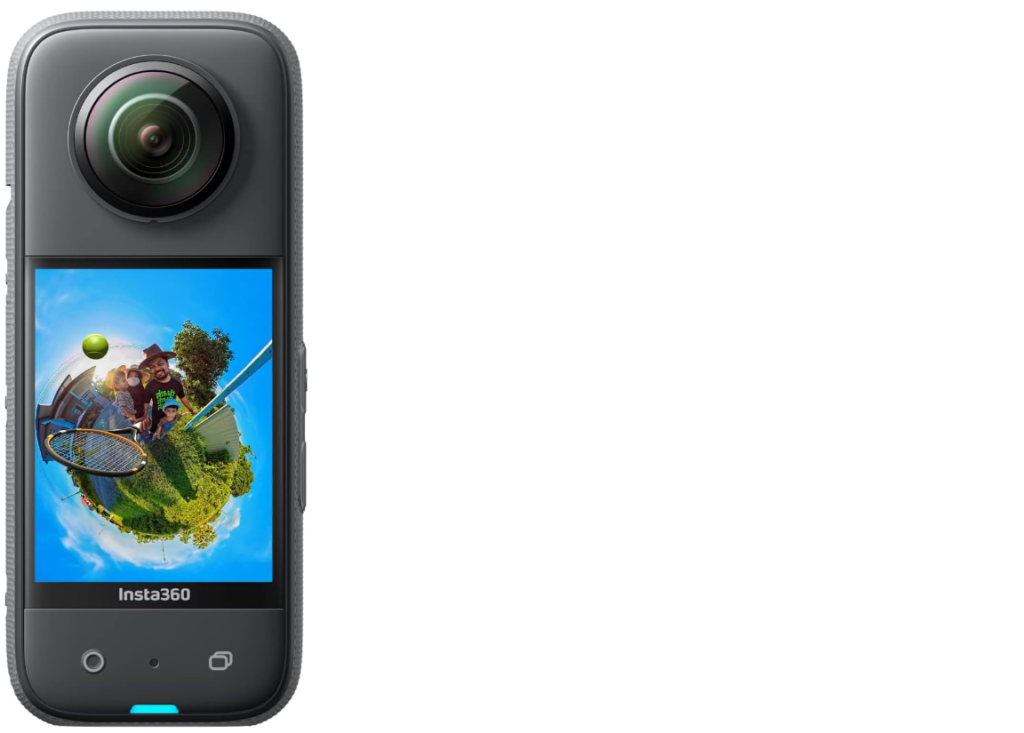
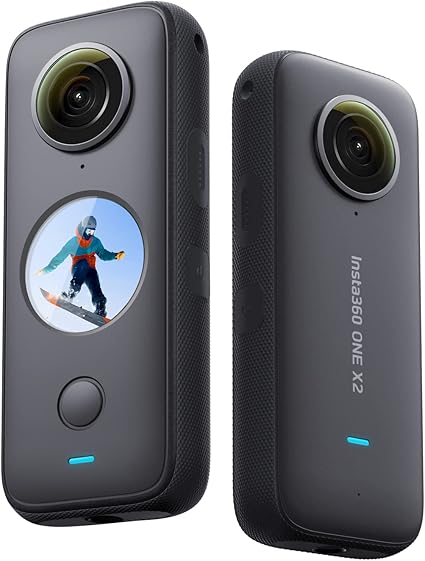
As you can see, the Insta360 X3 is a significant upgrade over the Insta360 X2 in terms of video resolution, photo resolution, aperture, and battery life. It also has a larger touchscreen and improved audio recording. However, it is slightly larger and heavier than the X2.
Ultimately, the decision of whether to upgrade to the Insta360 X3 depends on your individual needs and budget. If you want the best image quality and stabilization, then the X3 is the clear choice. However, if you are happy with the performance of the X2, then there is no need to upgrade.
Here is a table of the key differences between the two cameras: Insta360 x3 vs Insta360 x2
| Feature | Insta360 X3 | Insta360 X2 |
|---|---|---|
| Sensor | 1/2.3″ CMOS | 1/2.3″ CMOS |
| Video resolution | Up to 6K at 50fps | Up to 5.7K at 30fps |
| Photo resolution | Up to 72MP | Up to 18.5MP |
| Field of view | 110° | 100° |
| Aperture | f/1.9 | f/2.0 |
| Image stabilization | FlowState stabilization | FlowState stabilization |
| Audio | 3 microphones | 3 microphones |
| Battery | 1800mAh | 1630mAh |
| Dimensions | 114 x 46 x 22.5mm | 113 x 46 x 29.8mm |
| Weight | 180g | 149g |
| Price | $449.99 | $429.99 |
| New features | Active HDR, Directional Focus Audio, 2.29″ touchscreen, larger battery | – |
Here is a comparison of the photo moves, video modes, video resolution, wide angle, and pano for the Insta360 X2 and Insta360 X3:
| Feature | Insta360 X2 | Insta360 X3 |
|---|---|---|
| Photo moves | Standard, HDR, Burst, Interval, Night Shot, PureShot, InstaPano | Standard, HDR, Burst, Interval, Night Shot, PureShot, InstaPano, Auto Framing |
| Video modes | Standard, HDR, Timelapse, TimeShift, Bullet Time, Steady Cam, Invisible Selfie Stick, Me Mode, 360 Active HDR | Standard, HDR, Timelapse, TimeShift, Bullet Time, Steady Cam, Invisible Selfie Stick, Me Mode, 360 Active HDR, Directional Focus Audio |
| Video resolution | 5.7K@30fps, 4K@50fps, 3K@100fps | 6K@50fps, 4K@50fps, 3K@100fps |
| Wide angle | UltraWide, ActionView, Wide, Linear | UltraWide, ActionView, Wide, Linear |
| Pano | 4320×1440 (3:1) | 4320×1440 (3:1) |
As you can see, the Insta360 X3 has a number of improvements over the Insta360 X2, including:
- Higher video resolution: The Insta360 X3 can record video at up to 6K, while the Insta360 X2 is limited to 5.7K.
- New photo moves: The Insta360 X3 has a recent photo move called Auto Framing, automatically identifies subjects in your photos and creates a video that follows them around.
- Directional Focus Audio: The Insta360 X3 has a new audio feature called Directional Focus Audio, which allows you to record audio that is focused on a specific subject.
- Larger battery: The Insta360 X3 has a larger battery than the Insta360 X2, meaning you can record for extended periods on a single charge.
Overall, the Insta360 X3 is a significant upgrade over the Insta360 X2. It offers better image quality, more features, and longer battery life. However, it is also more expensive.
Conclusion:
As you can see, the Insta360 X3 has many significant improvements over the Insta360 X2. If you want the best image quality and stabilization, then the X3 is the choice. However, if you are happy with the performance of the X2, then there is no need to upgrade.
