The 2026 release cycle introduces two 8K options for 360-degree video capture. The DJI Osmo 360 II and the Insta360 X6 feature specific hardware updates over previous generations.
The DJI Osmo 360 II includes 1-inch-class sensors and 8K 60fps recording within a 183g body. The Insta360 X6 offers Dolby Vision color processing, a 2600mAh battery, and established software integration.
This comparison covers physical specifications, low-light image quality, and battery endurance for both devices. You can use this data to determine which camera fits your recording workflow.
DJI Osmo 360 II vs Insta360 X6 Specs Comparison
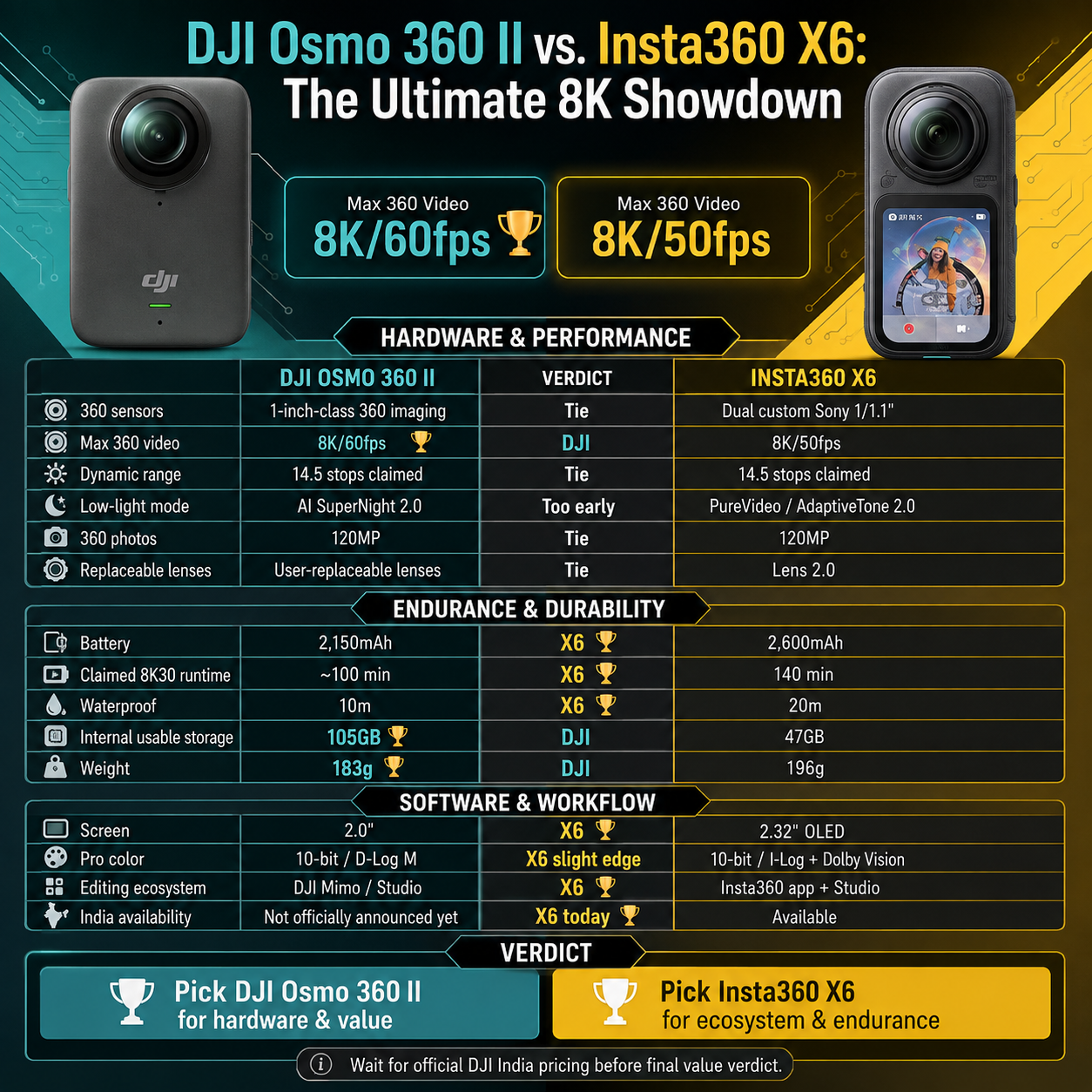
The DJI Osmo 360 II and Insta360 X6 represent the top choices for 360 cameras in 2026. For an Insta360 X3 user looking to upgrade, both models offer massive hardware leaps. The DJI Osmo 360 II features 1-inch class dual sensors, 8K 60fps video, and a massive 105GB of built-in storage. The Insta360 X6 counters with dual 1/1.1-inch sensors, 8K 50fps video, Dolby Vision, and superior battery life. DJI wins on raw hardware specifications and storage. Insta360 wins on software tools and recording endurance.
Specifications Breakdown
Use the filters below to sort the comparison table by category.
| Feature | DJI Osmo 360 II | Insta360 X6 |
|---|---|---|
| Sensors | Dual 1-inch class CMOS | Dual custom Sony 1/1.1-inch |
| Max Video | 8K 60fps | 8K 50fps |
| Color Profile | 10-bit D-Log M | 10-bit I-Log and Dolby Vision |
| Max Photo | 120 Megapixels | 120 Megapixels |
| Lens Design | User-replaceable | User-replaceable Lens 2.0 |
| Internal Storage | 105GB usable | 47GB usable |
| Battery Capacity | 2150 mAh | 2600 mAh |
| Weight | 183 grams | 196 grams |
| Waterproof | 10 meters without case | 20 meters without case |
| Screen | 2.0-inch Touchscreen | 2.32-inch OLED Touchscreen |
| Editing App | DJI Mimo | Insta360 App and Studio |
| Platform Integration | Direct DJI Mic support | Direct Insta360 Mic Pro support |
| Codecs | HEVC/MP4 (OSV format) | HEVC/MP4 |
| Stabilization | RockSteady 3.0 + HorizonSteady | FlowState 360 Stabilization |
| Connectivity | Wi-Fi 6, Bluetooth 5.4, USB-C | Wi-Fi 6.0, Bluetooth, USB 3.0 |
| Audio | 4-mic array, wind reduction | 4-mic array plus engine mic |
| Pricing (Launch) | Check on Marketplace | Check on Marketplace |
Performance Visualized
A direct look at how the two cameras compare in endurance and onboard storage.
Physical Specifications Comparison
This chart visualizes the differences in physical capabilities. The Insta360 X6 offers double the water resistance depth without a case. The DJI Osmo 360 II features a lighter camera body.
Detailed Feature Analysis
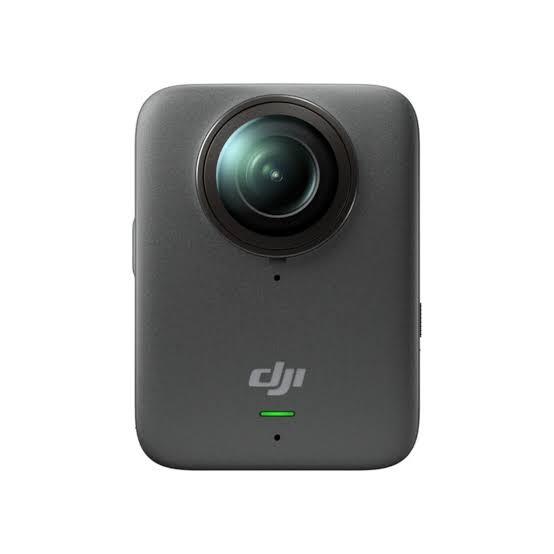
Image Quality
Both cameras shoot professional grade 360 media. The Insta360 X6 produces excellent daylight results with high color fidelity. The DJI Osmo 360 II matches this with similar sensor hardware. DJI offers a higher framerate at 60fps for 8K video. This makes fast motion look smoother. Insta360 includes Dolby Vision straight out of the camera. In low light, the Insta360 X6 uses PureVideo processing. Current tests show the X6 handles night scenes extremely well. We expect the DJI to perform similarly, but the X6 holds the proven track record right now.
Battery and Heat
Insta360 put a large 2600 mAh battery in the X6. Tests confirm it records 8K video for roughly 136 minutes. DJI lists a 100 minute runtime for the Osmo 360 II from its 2150 mAh battery. Insta360 wins the endurance category. The X6 also features very fast charging. DJI sells an extra battery extension rod if you need more power.
Software and Editing
Insta360 leads the market in software tools. The X6 has an on-device director tool that automatically edits clips. This saves time. The Insta360 app handles reframing without extra steps. The DJI Mimo app works well but relies on manual editing. Insta360 is the better choice for fast mobile workflows.
Durability
Previous 360 cameras suffered from scratched lenses. Both DJI and Insta360 solved this problem in 2026. The DJI Osmo 360 II and Insta360 X6 feature user-replaceable lenses. You can swap a broken lens in the field. Insta360 is waterproof down to 20 meters. DJI is waterproof down to 10 meters. Insta360 is the stronger option for deep water use.
Advanced Shooting Modes
The DJI Osmo 360 II introduces a Vortex mode for high frame rate slow motion effects. It also features a Boost 4K 120fps flat mode. The higher frame rate captures fast action smoothly.
The Insta360 X6 counters with InstaFrame 2.0 for flat 4K subject tracking. This allows creators to lock onto subjects without reframing later. It also shoots 42 Megapixel flat photos. Both cameras capture massive 120 Megapixel spherical images.
Ecosystem and Accessories
DJI focuses on the established Osmo hardware ecosystem. Users gain access to the Osmo Vortex handle for rotating shots, dedicated extension rods, and direct DJI Mic integration.
Insta360 offers a large catalog of over one hundred accessories. New additions include a power selfie stick that extends battery life by three hours, a POV head tracker, and specialized motorcycle kits. The X6 also maintains backward compatibility with older X5 mounts. This saves money if you already own older Insta360 gear.
Audio and Connectivity Support
High quality audio is a major focus for both brands. The DJI Osmo 360 II and Insta360 X6 feature four internal microphones with active wind reduction. Insta360 adds a specific hidden engine mic to capture motor sounds clearly. Both cameras offer NFC pairing and Wi-Fi 6 for fast file transfers. Insta360 edges ahead with a USB 3.0 port capable of 450 MB/s transfer speeds. DJI relies on a standard USB-C connection.
Wireless microphone support works differently. The DJI Osmo 360 II pairs natively with the DJI Mic 3. You do not need a separate receiver. The Insta360 X6 offers similar native support for the Insta360 Mic Pro. Your choice depends entirely on which brand of microphones you already own.
Market Availability and Thermals
Regional availability differs significantly between the two cameras. DJI currently limits the Osmo 360 II to international markets and skips a formal United States launch. The Insta360 X6 remains available globally. This directly impacts warranty support and purchase options depending on your location.
Thermal performance also separates the two devices. Lab tests show the X6 halts recording around 25 minutes at 8K 50fps without active cooling. It easily completes 136 minutes at 8K 30fps. The DJI camera lacks independent thermal data for its 8K 60fps mode. Software updates bring DaVinci Resolve integration to the Insta360 X6. This allows professional colorists to edit 10-bit Dolby Vision files natively. DJI continues to rely on its standard Mimo application for color grading.
Upgrade Decision Flowchart
Use this simple guide to determine which camera fits your shooting style.
Price and Value Breakdown
Insta360 launched the X6 at $699 USD in global markets. The standard bundle in India costs 81,990 INR. DJI took a different approach. The Osmo 360 II launched primarily in China for 3,899 HKD. A direct conversion places the DJI camera around 46,000 INR. DJI has not confirmed official India pricing.
Buyers pay a clear premium for the Insta360 X6. That extra cost buys superior battery capacity, deeper water resistance, and highly automated editing software. The DJI Osmo 360 II delivers superior raw specifications like 8K 60fps and 105GB of built-in storage for significantly less money. DJI provides the better hardware value. Insta360 provides the better software experience.
Pending Tests and Data Gaps
Lab tests confirm the Insta360 X6 battery records 8K 30fps video for 136 minutes without thermal shutdown. The DJI Osmo 360 II thermal limits remain untested. We do not yet know how long the DJI camera can record 8K 60fps video before overheating.
Low light performance also requires independent verification. Insta360 uses PureVideo 2.0 and ambient light sensors to capture clean night footage. DJI claims 14.5 stops of dynamic range and an AI SuperNight mode. Real world comparisons must wait until production units of the DJI Osmo 360 II reach global testers.
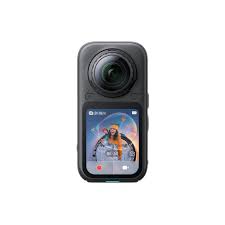
Recommendations for X3 Owners
If you prioritize high framerates and massive internal storage, buy the DJI Osmo 360 II. It gives you 8K 60fps video and 105GB of space. It operates as a lighter camera and costs less based on current market availability.
If you prioritize software tools, battery life, and deep water use, buy the Insta360 X6. It integrates perfectly with your existing Insta360 workflow. The 140 minute battery life lets you shoot longer without changing packs.